

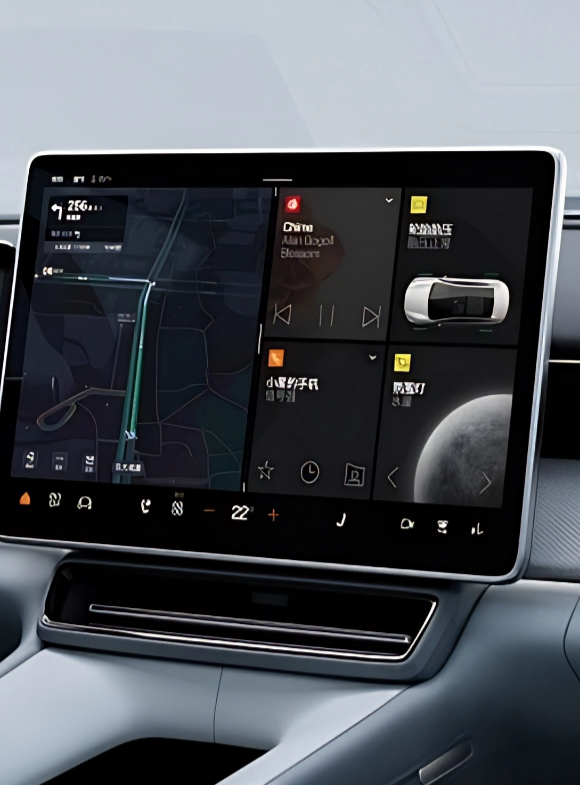
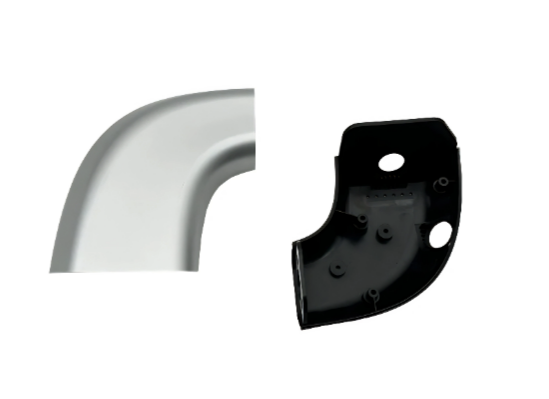
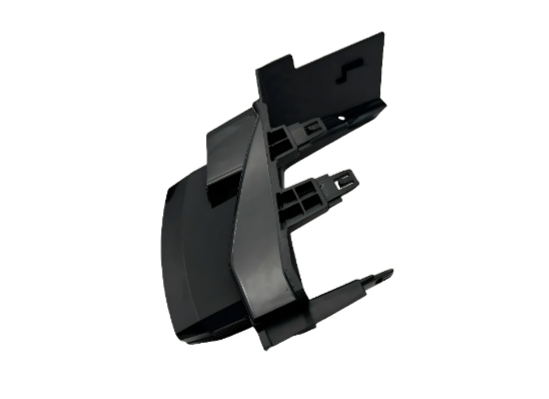
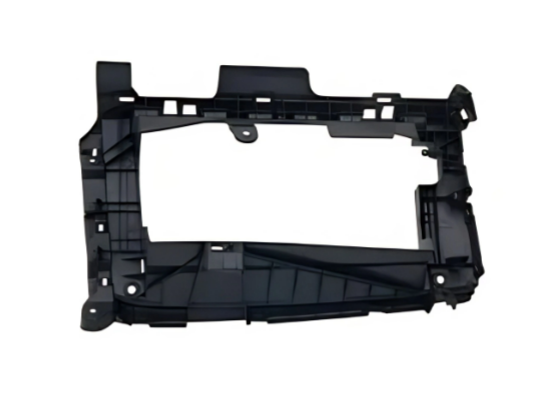
1. Écran d'affichage
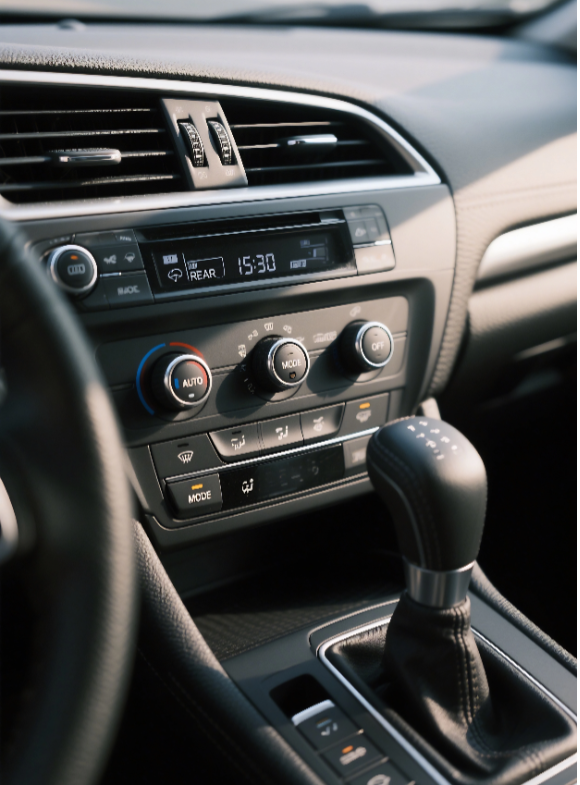
2. Boutons de commande
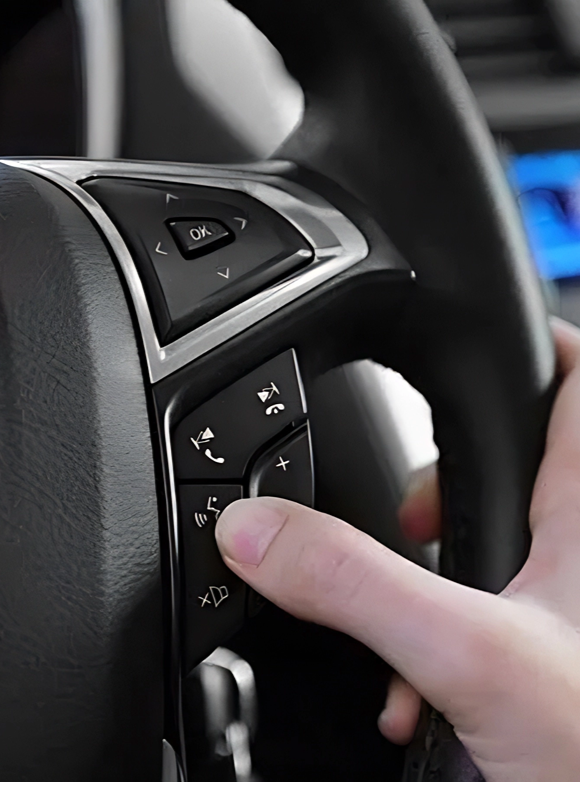
3. Boutons du volant
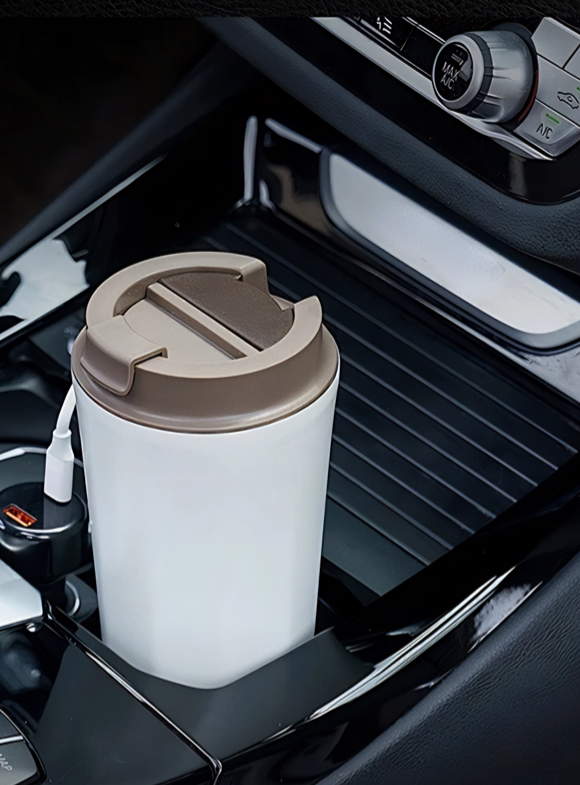
4. Support de stockage
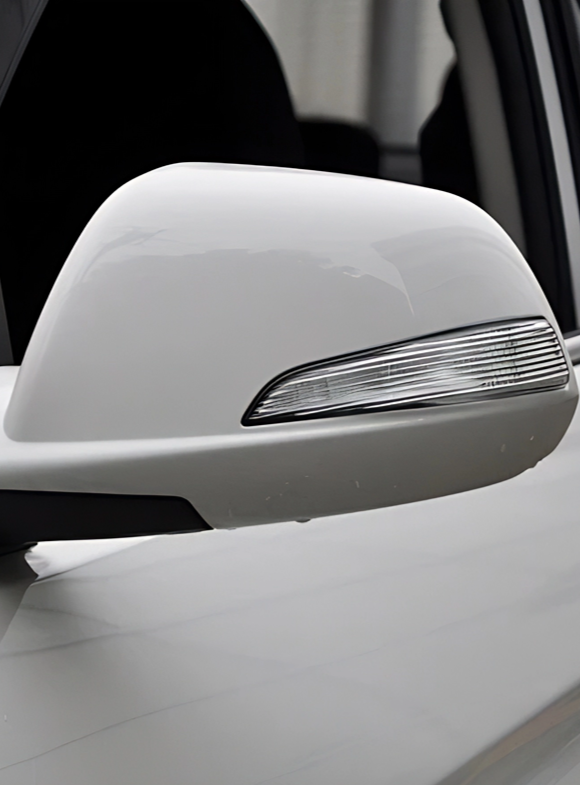
5. Rétroviseur

6. Support de téléphone
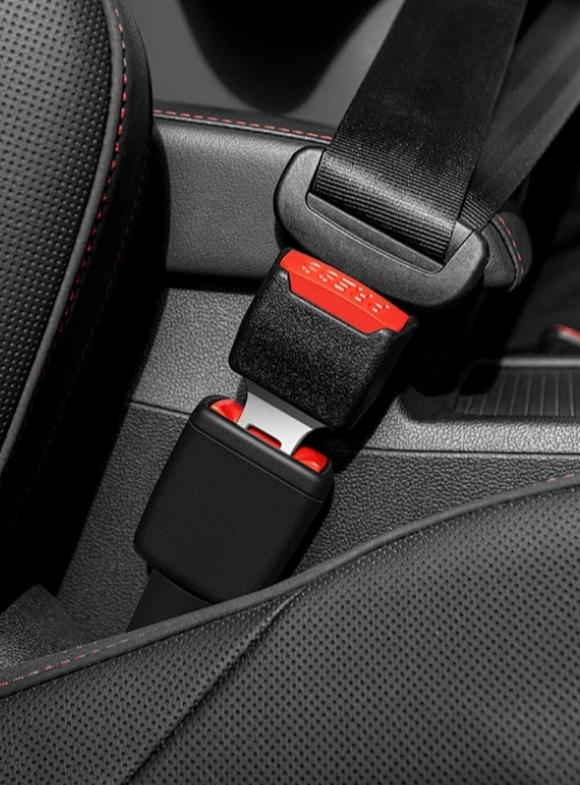
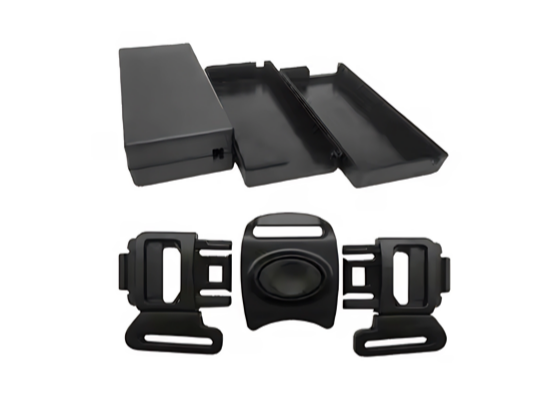
7. Boucle de sécurité
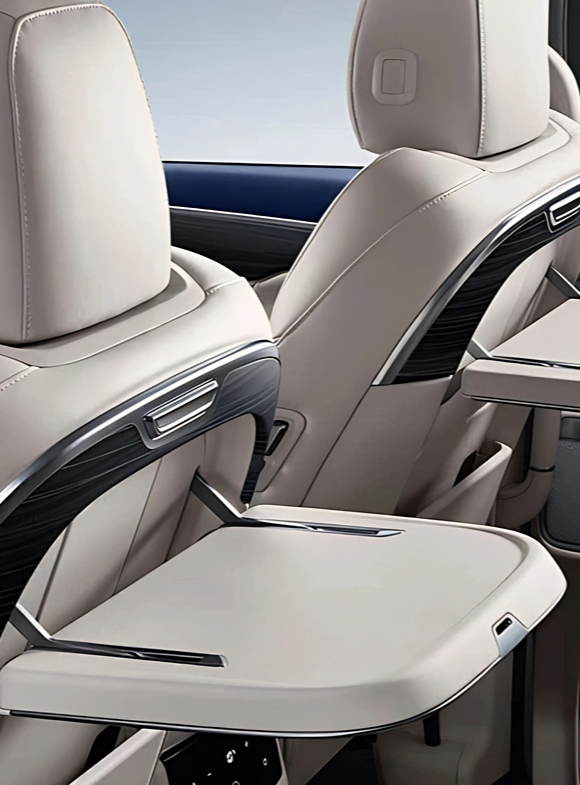
8.Siège - table montée




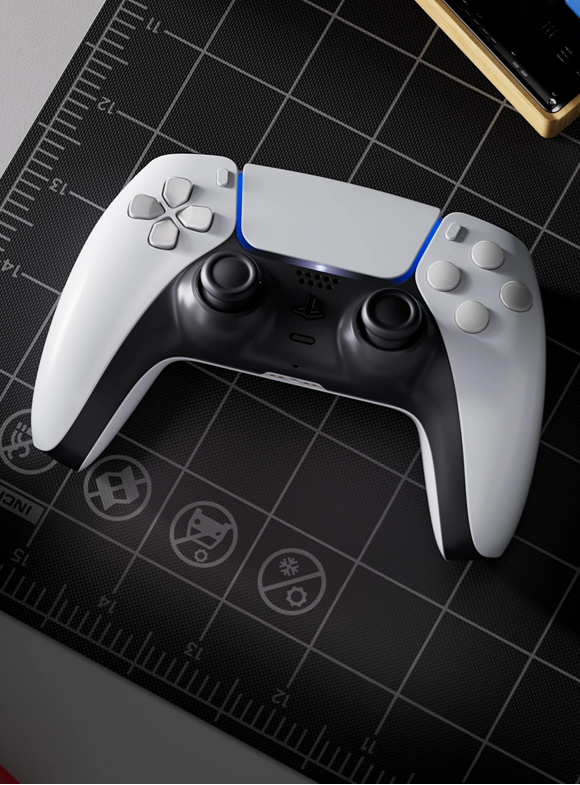
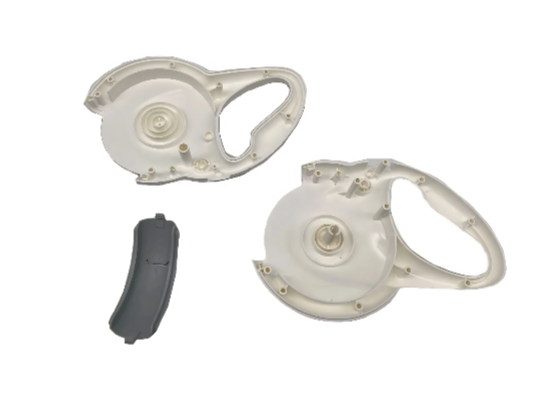
1. Coque de la manette de jeu
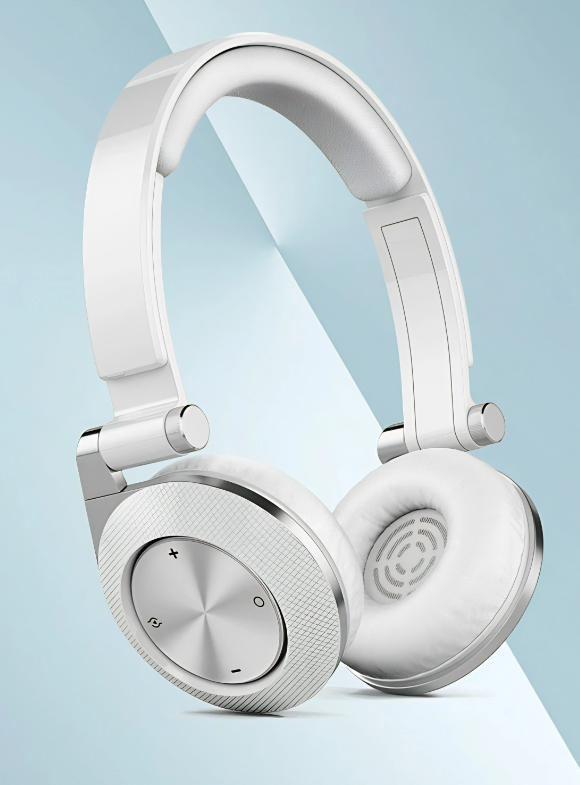
2. Coque d'écouteur Bluetooth
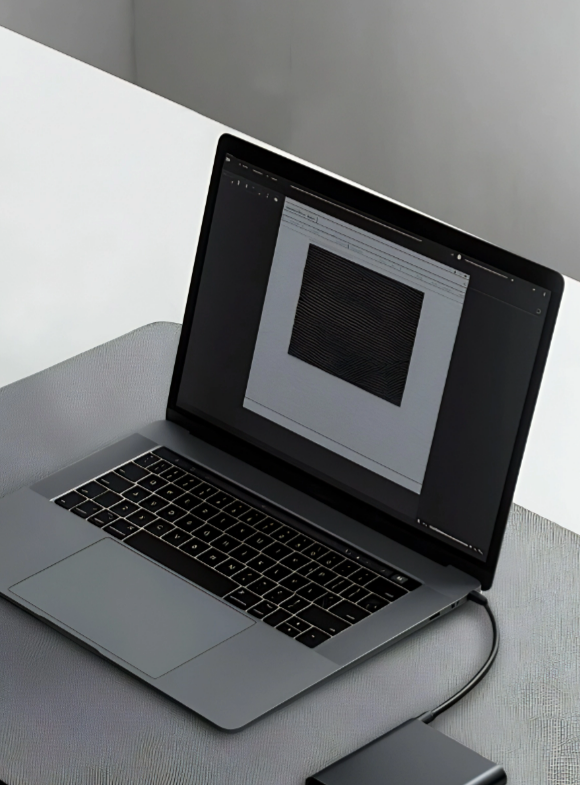
3. Coque d'ordinateur
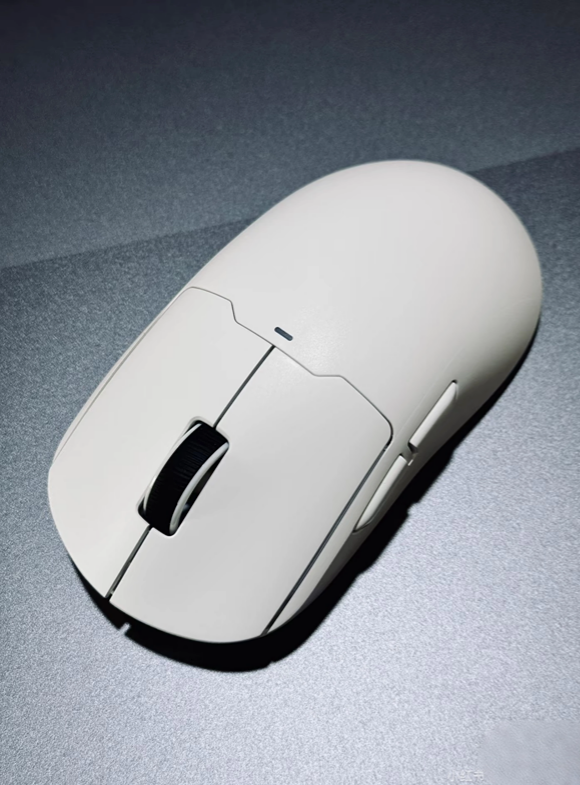
4. Coquille de souris

5. Coque du clavier

6. Coque de haut-parleur Bluetooth
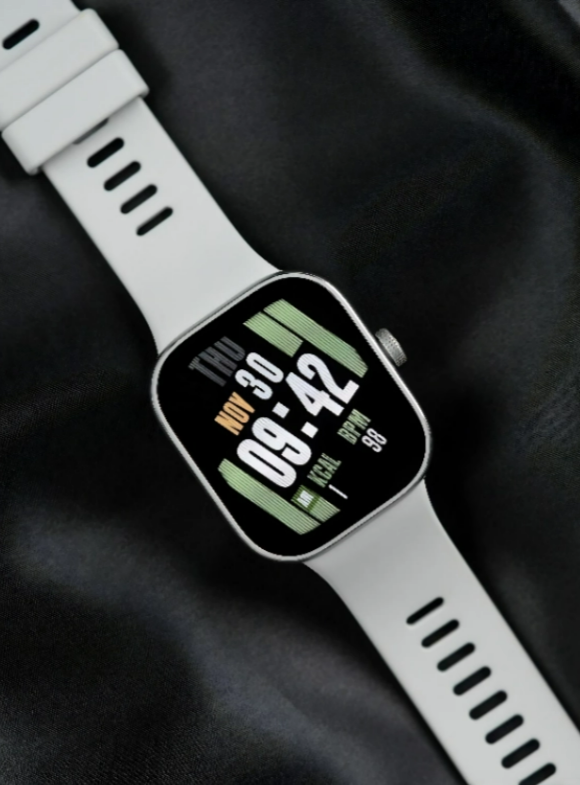
7. Coquille de montre

8. Coque d'appareil photo, etc.

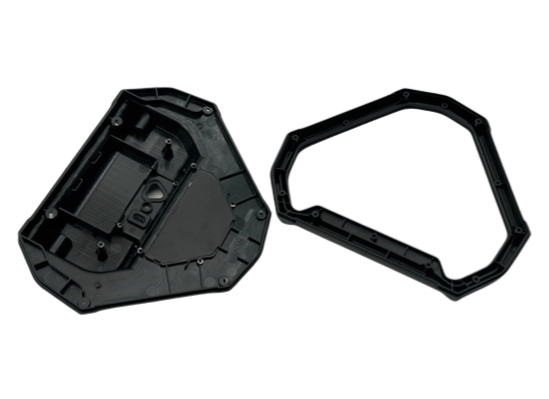
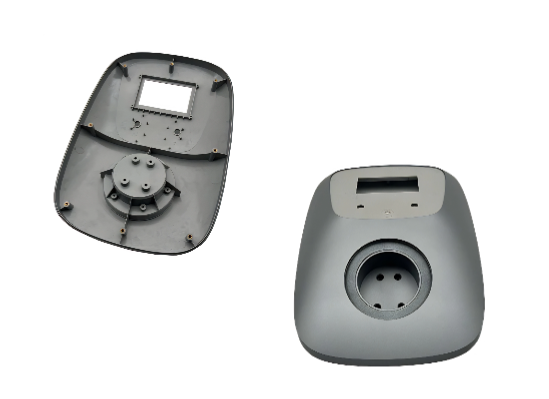
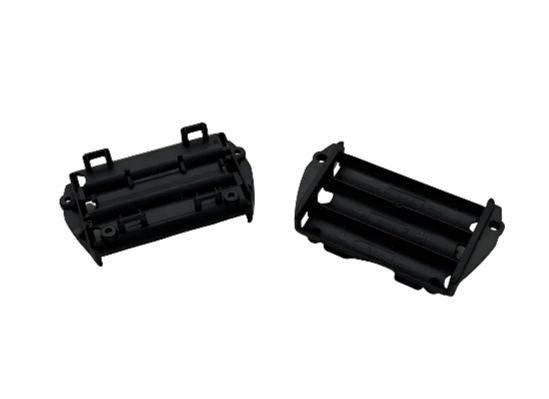
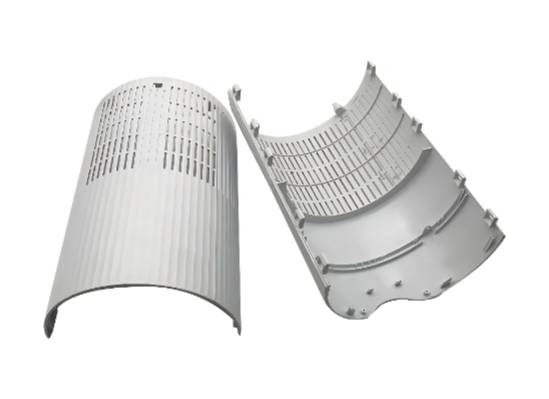

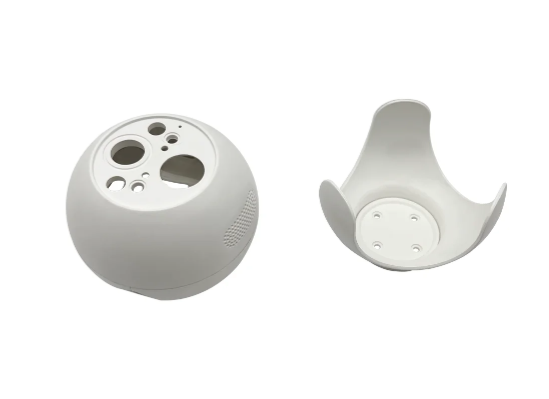
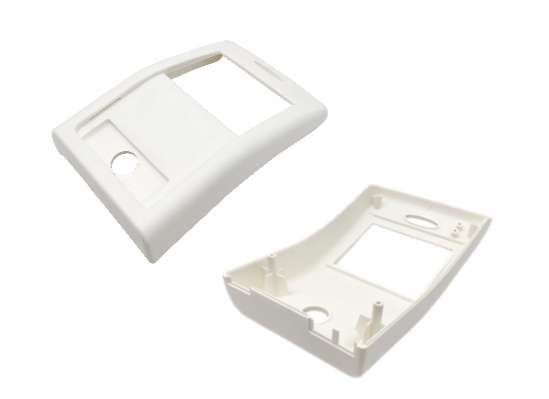
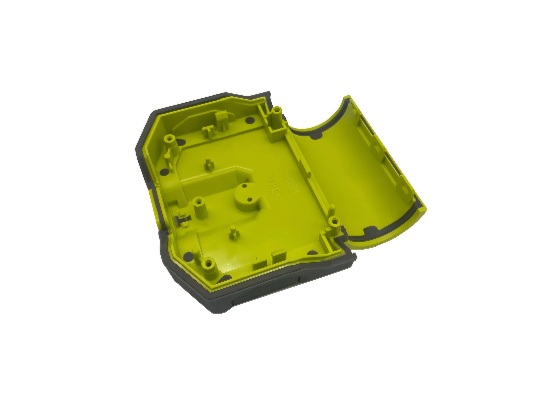
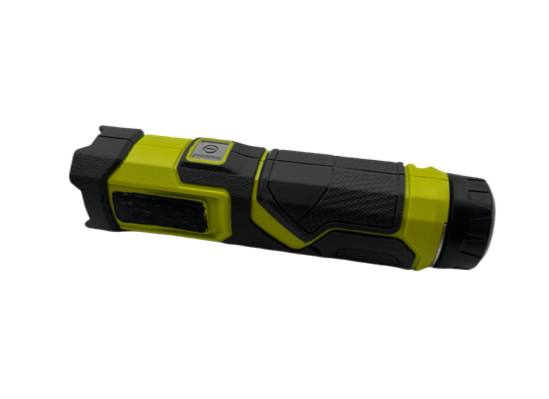
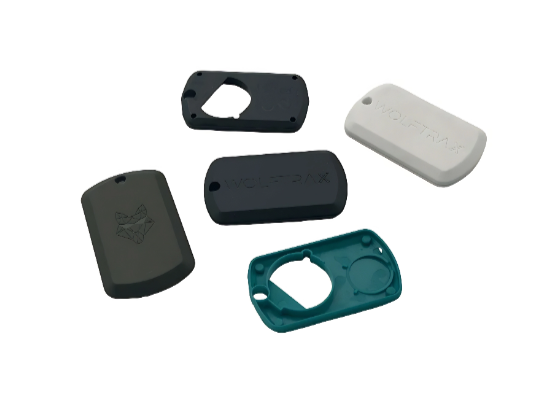
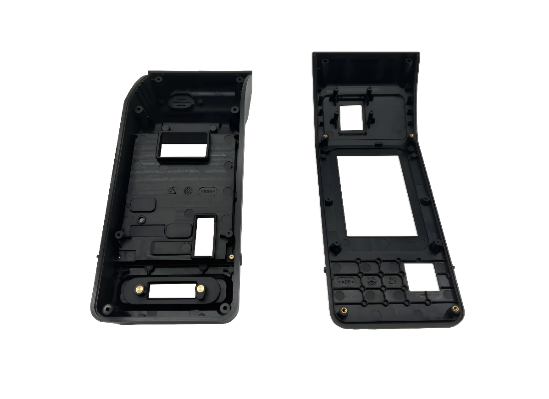
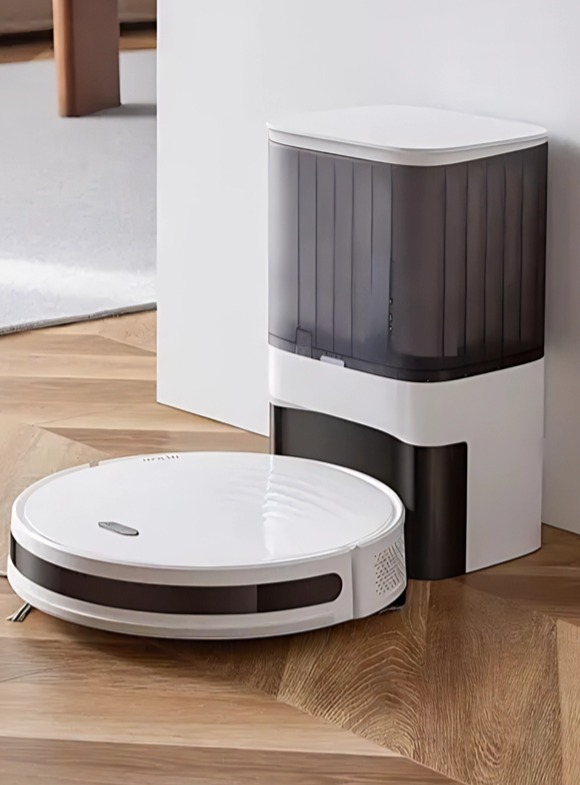
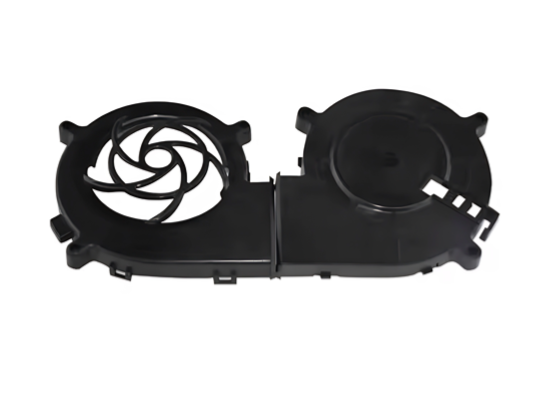
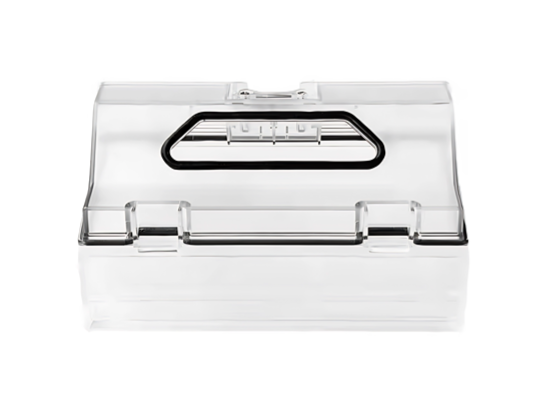
1. Balayeuse automatique
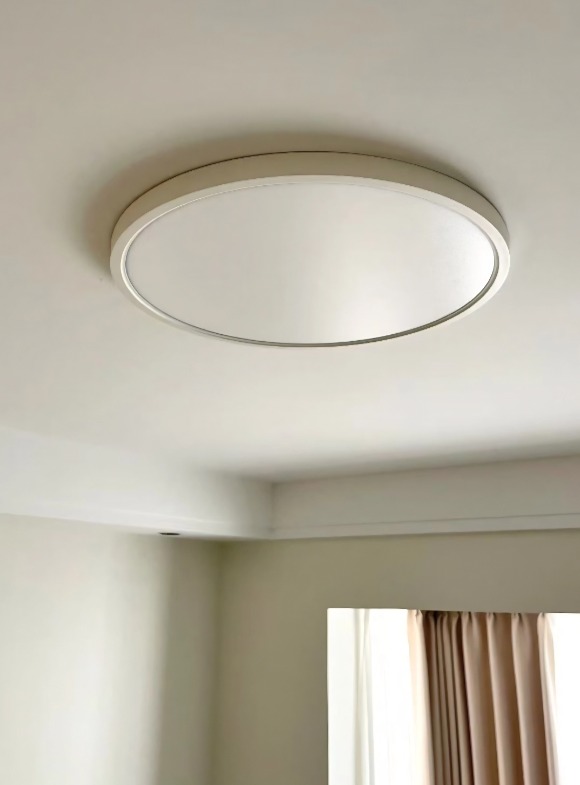
2. Appareils d'éclairage
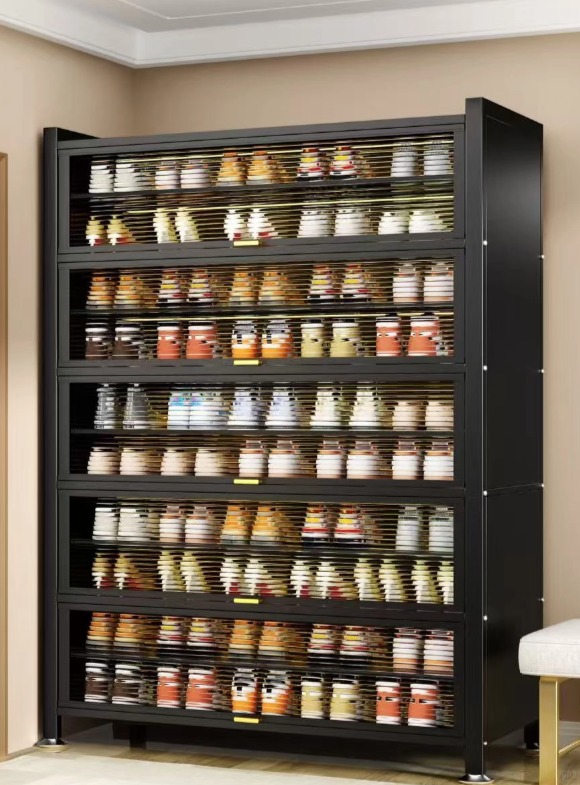
3. Porte-chaussures
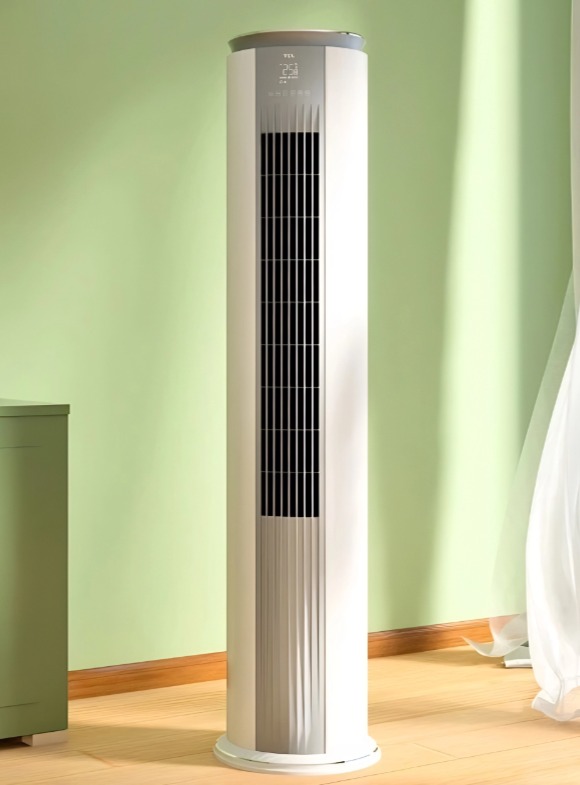
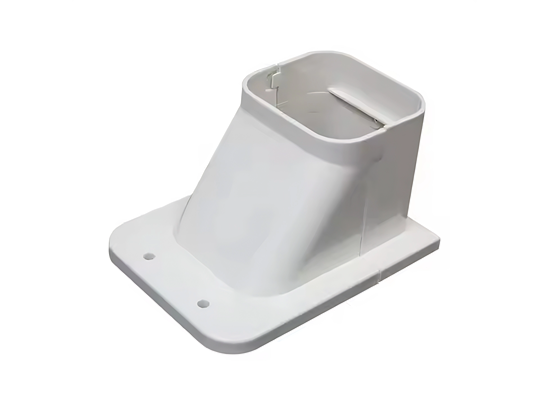
4. Climatiseur
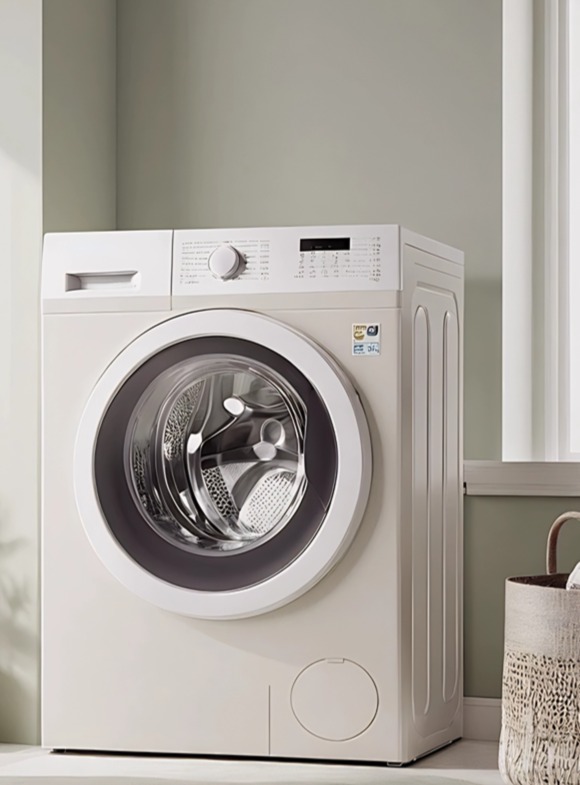
5. Lave-linge
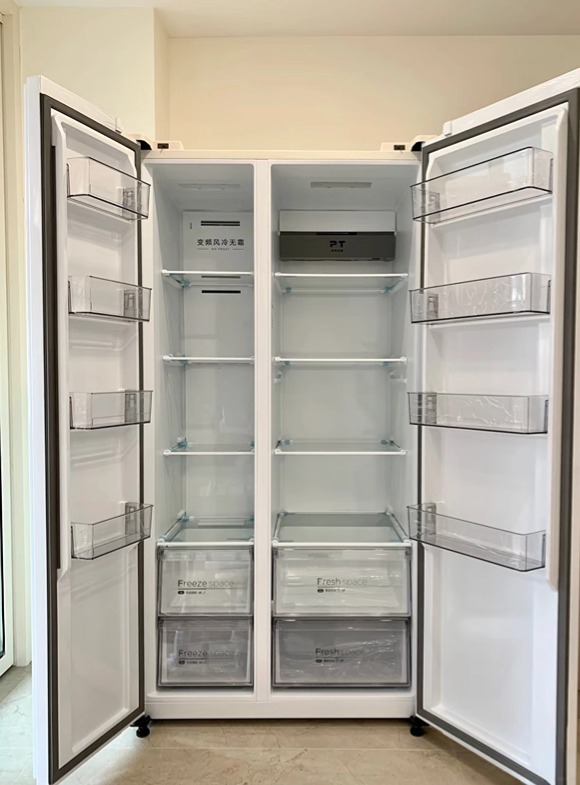
6. Réfrigérateur
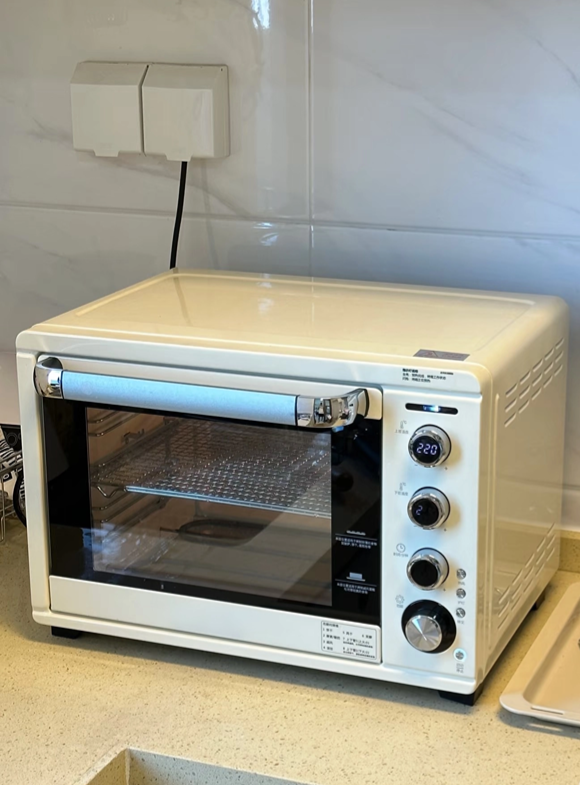
7. Four électrique
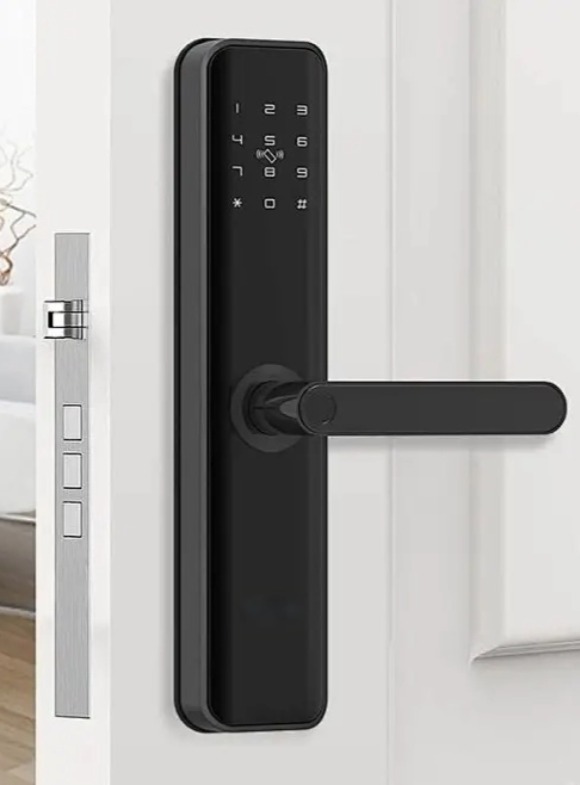
8. Verrouillage électronique des portes
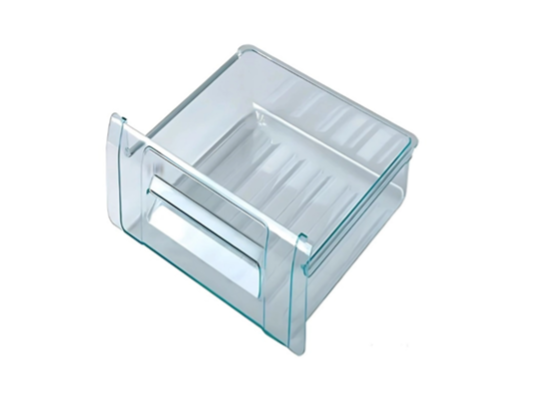






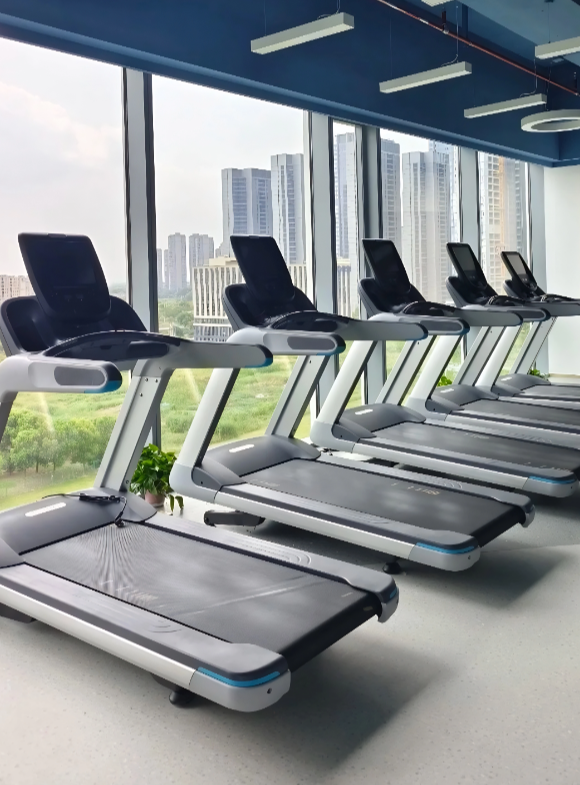
1. Tapis de course

2. Vélo d'intérieur
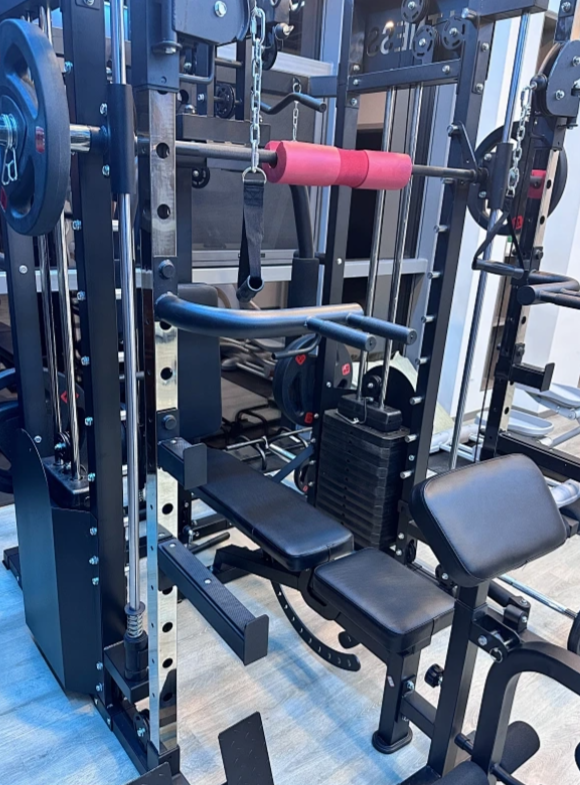
3. Entraîneur multifonctionnel

4.Smart Corde à sauter sans fil
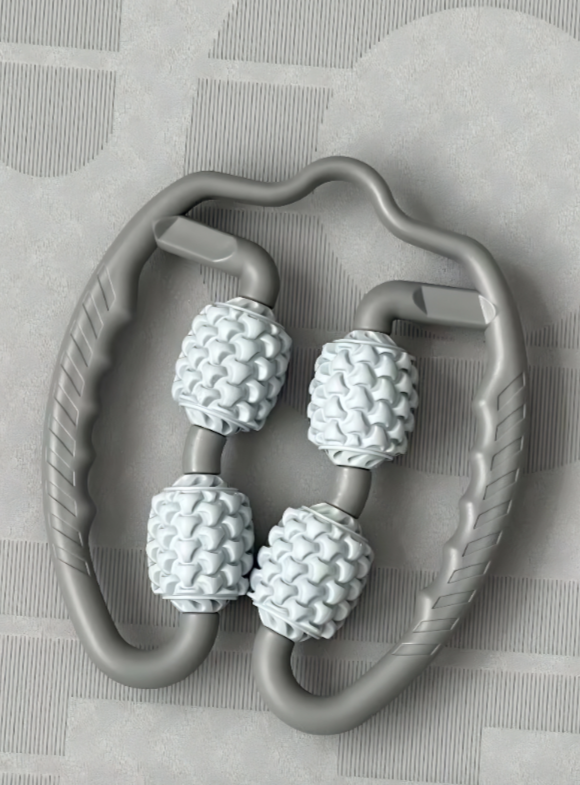
5. masseur circulaire à pincement des jambes
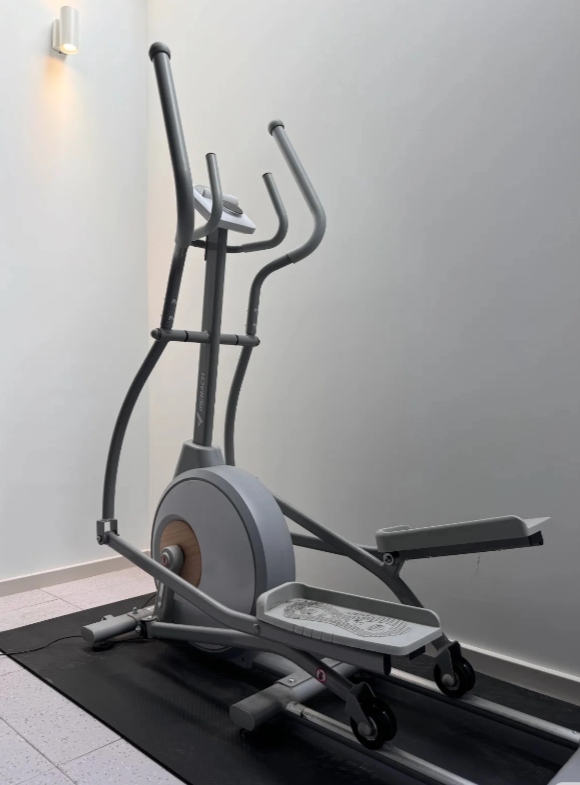
6. machine elliptique
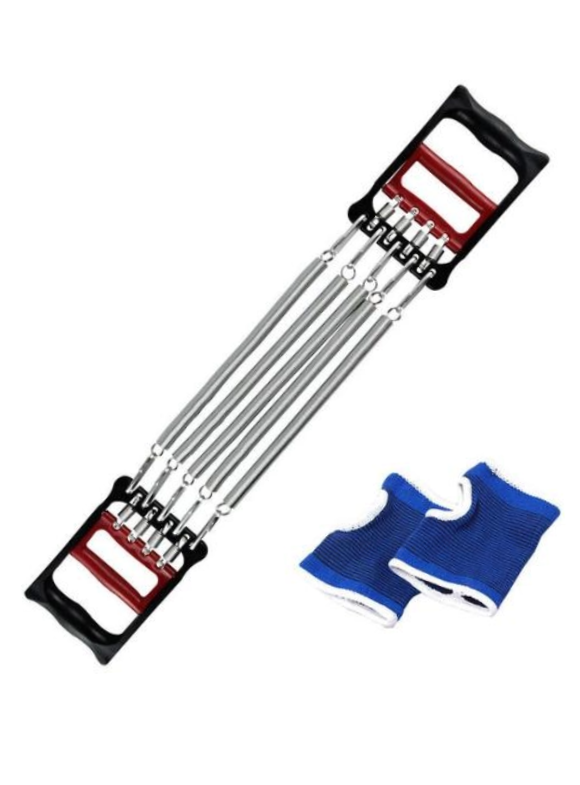
7. Exerciseur de traction à ressort
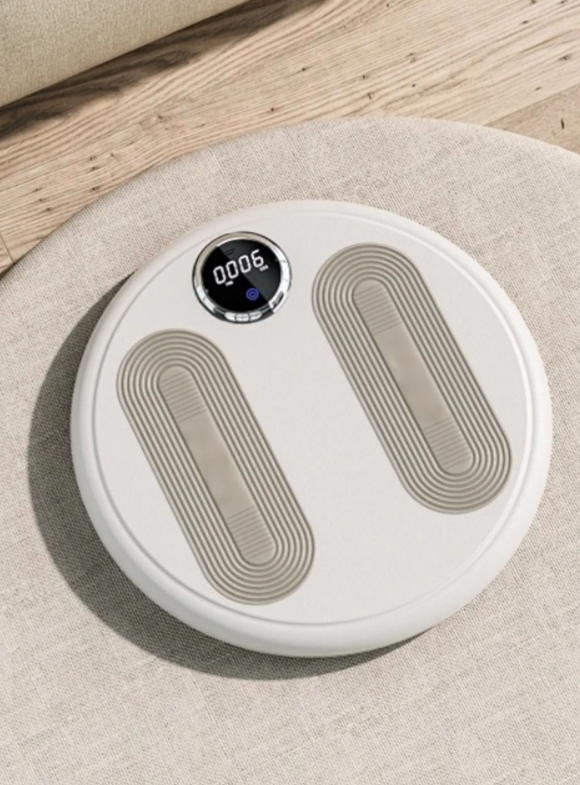
8. Machine à tordre la taille
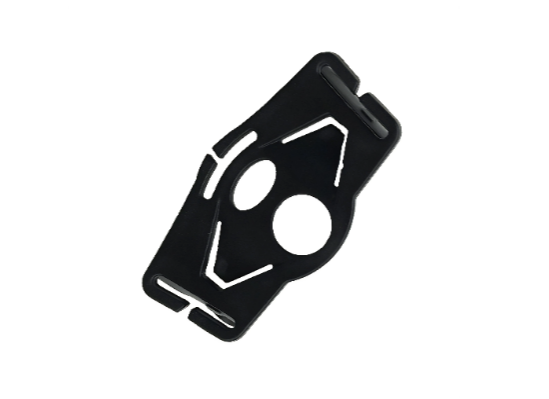
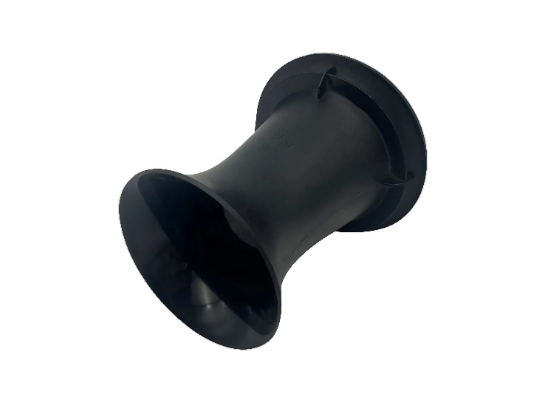



1. Matériel de laboratoire

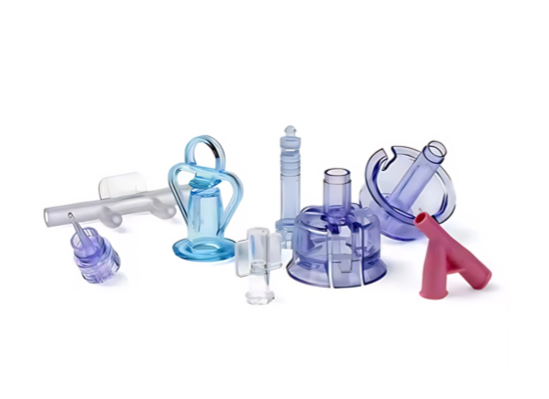
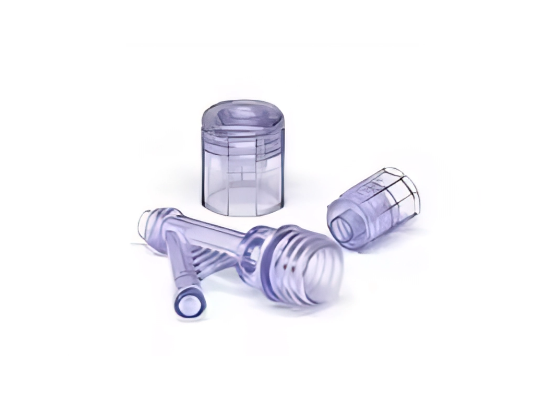
2. Produits diagnostiques à usage unique
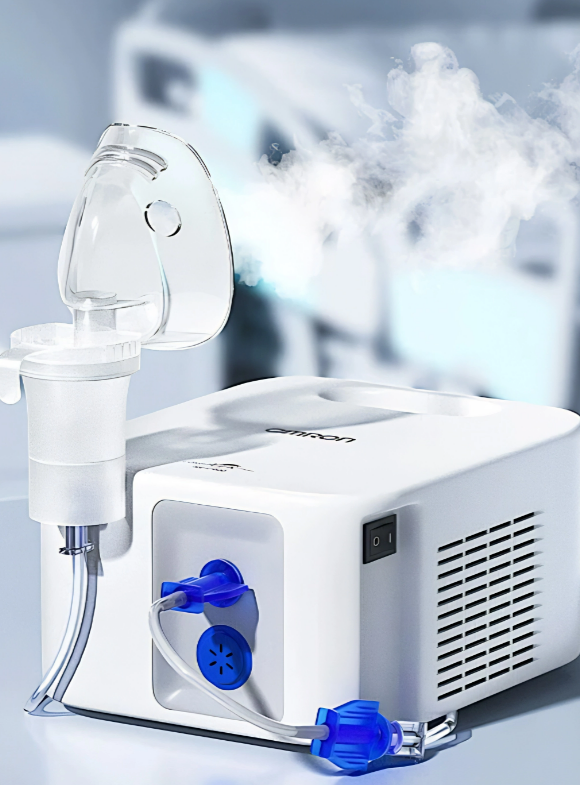
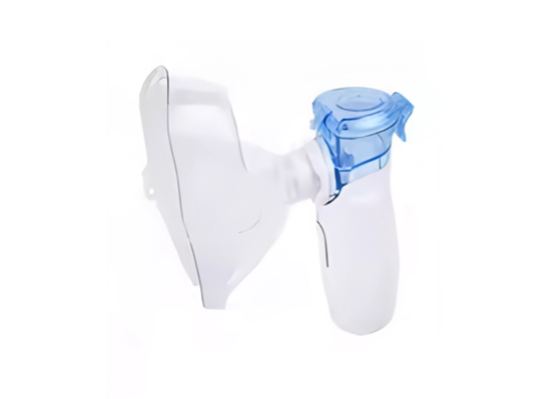
3. Atomiseur
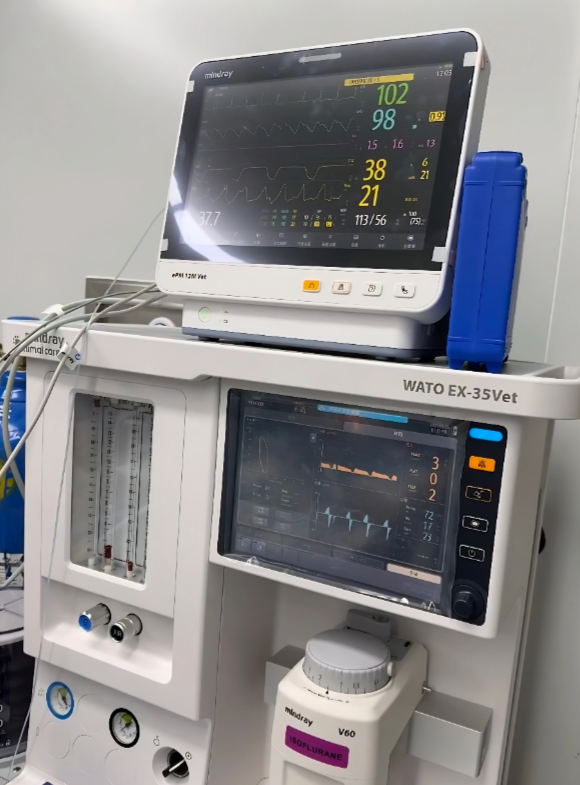
4. Équipement de détection
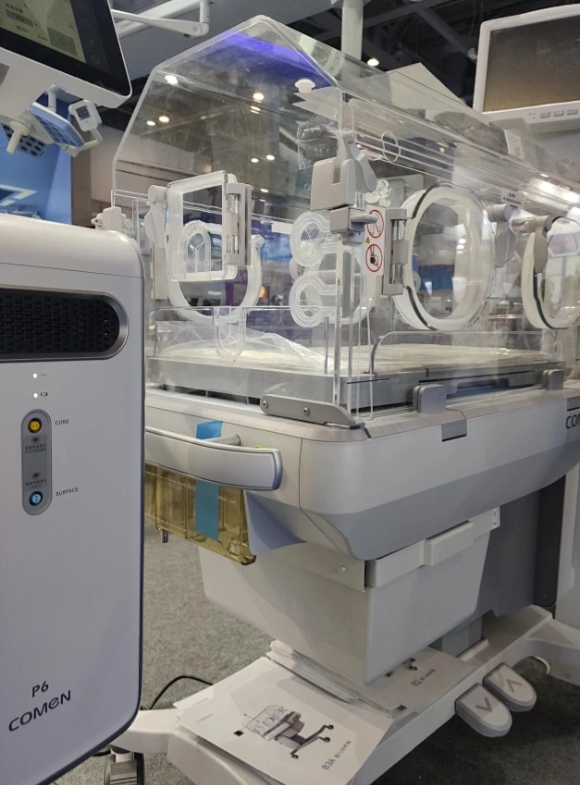
5. Soins néonatals

6. Moniteur de tension artérielle
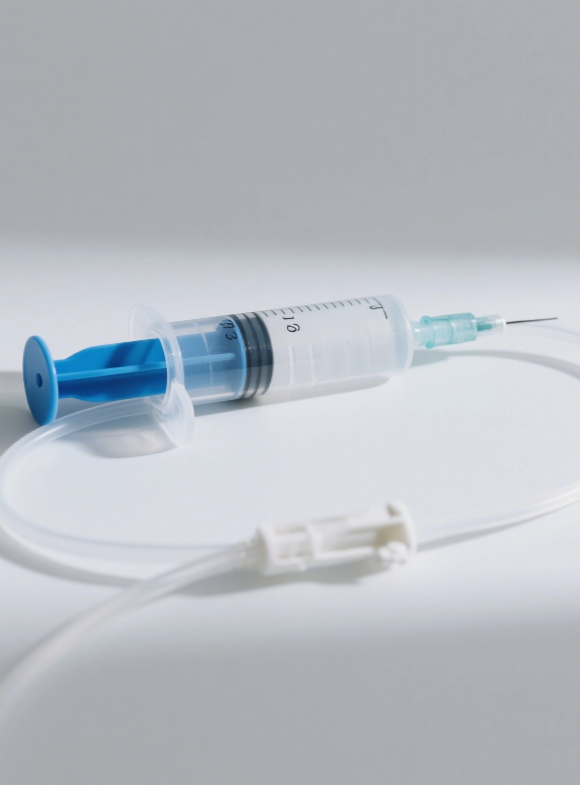
7. Dispositifs d'administration de médicaments
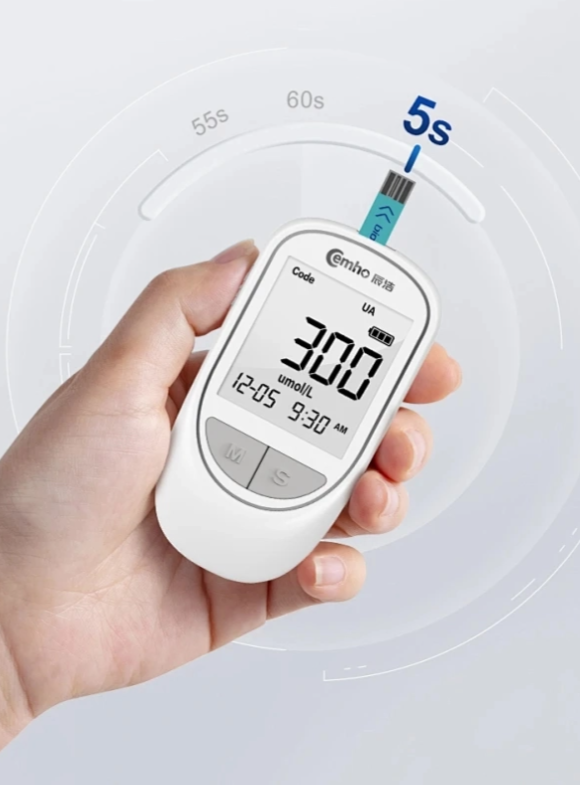
8. Appareil de mesure de la glycémie


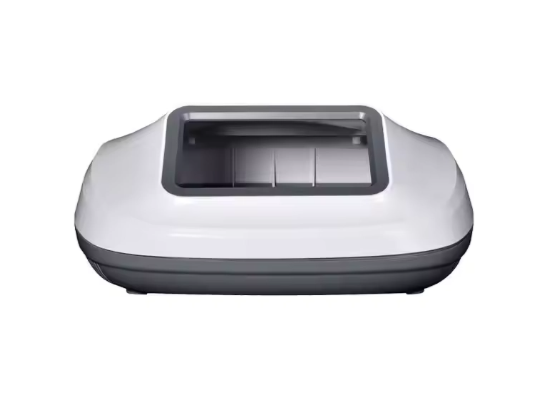


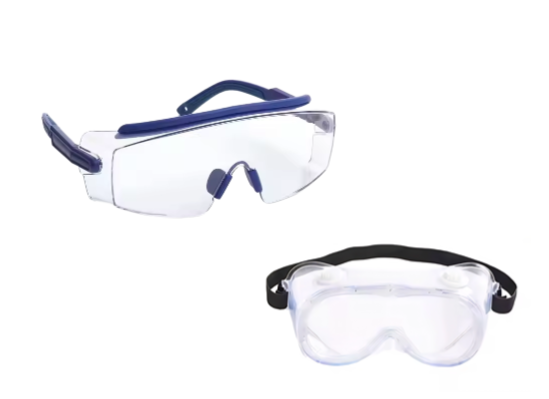
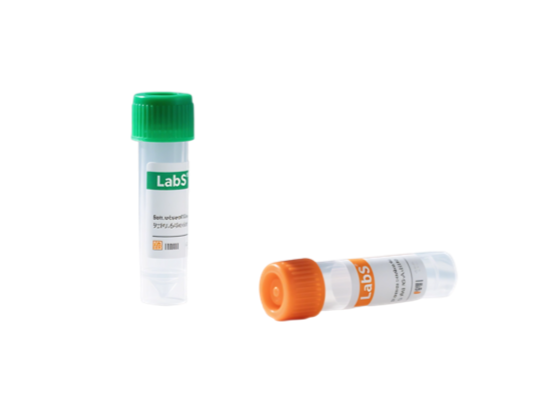
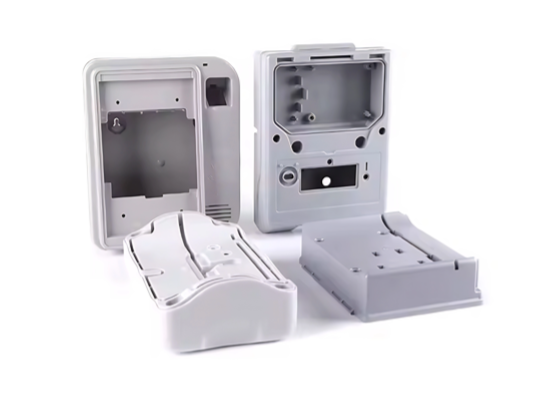

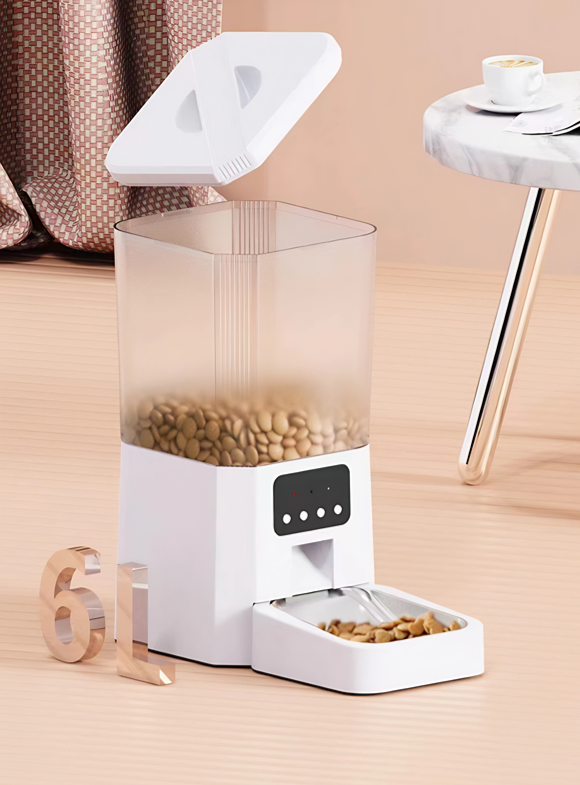
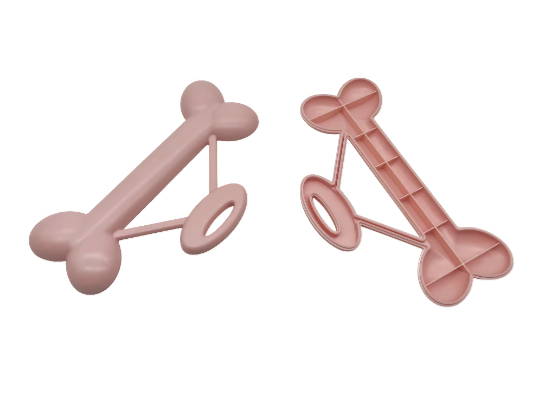
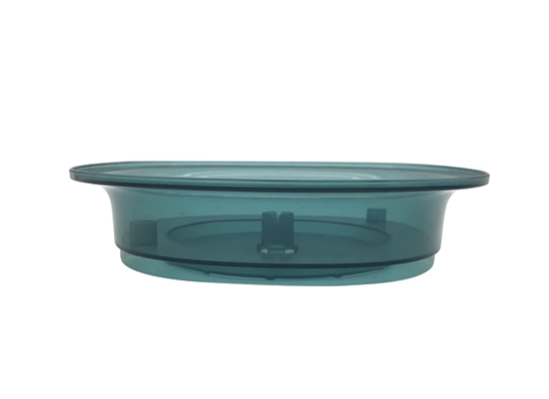
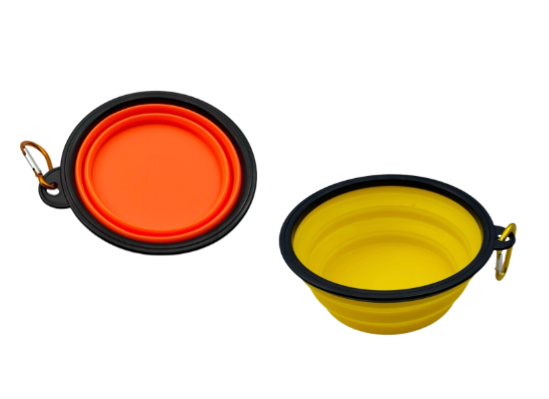
1) Coquille d'alimentation automatique

2. la coquille de l'alimentateur
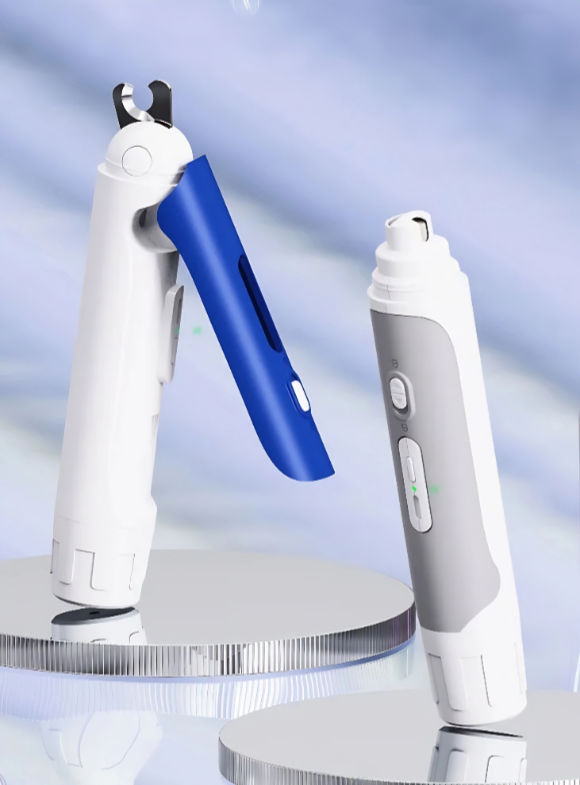
3. coquille de broyeur à griffes
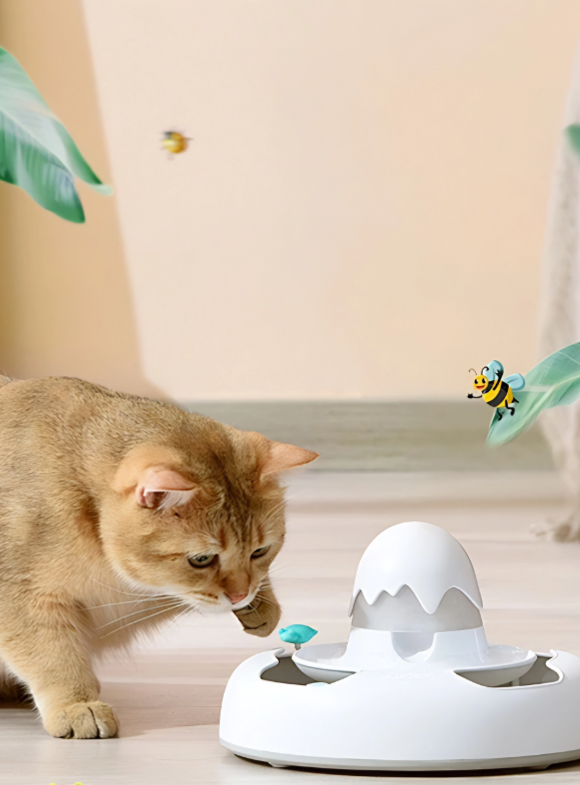
4. la coque de la console de jeu
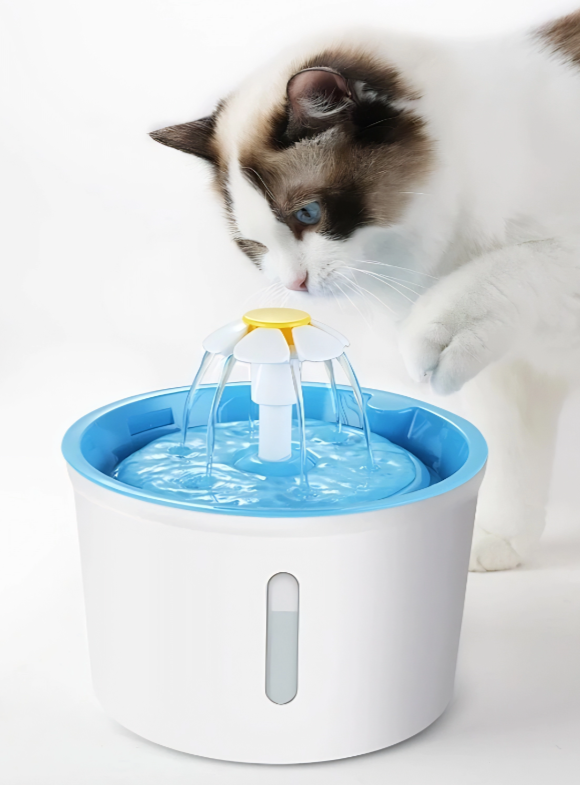
5. fontaine à eau pour animaux de compagnie Shell

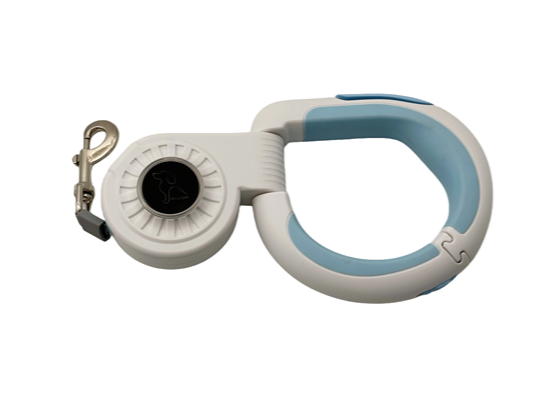
6. la laisse

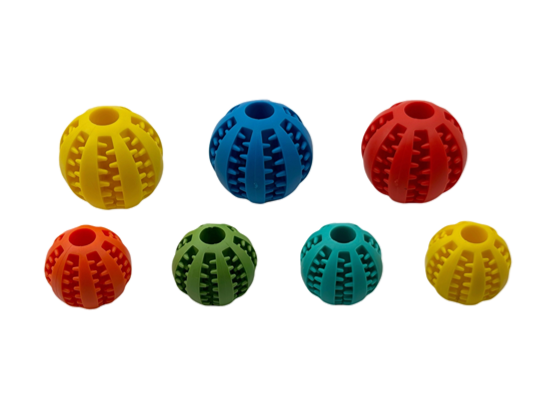
7. Boule en plastique

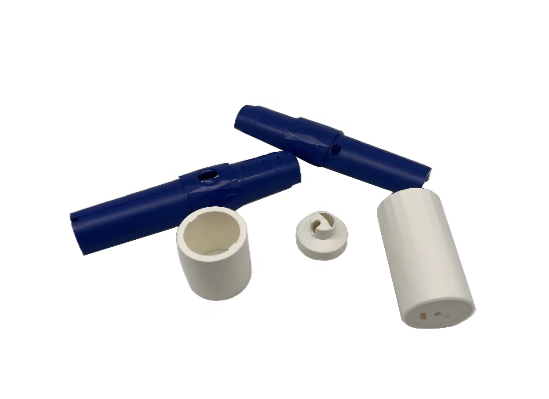
8. Accessoires en plastique pour les cages



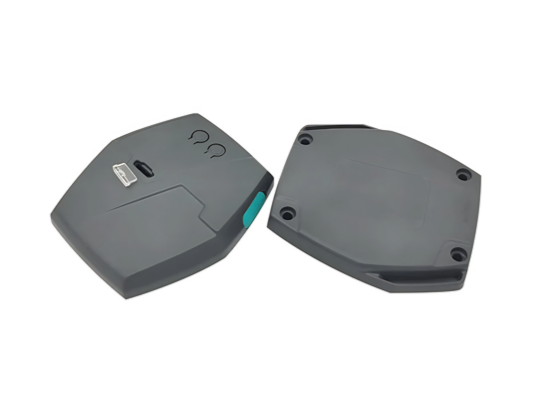
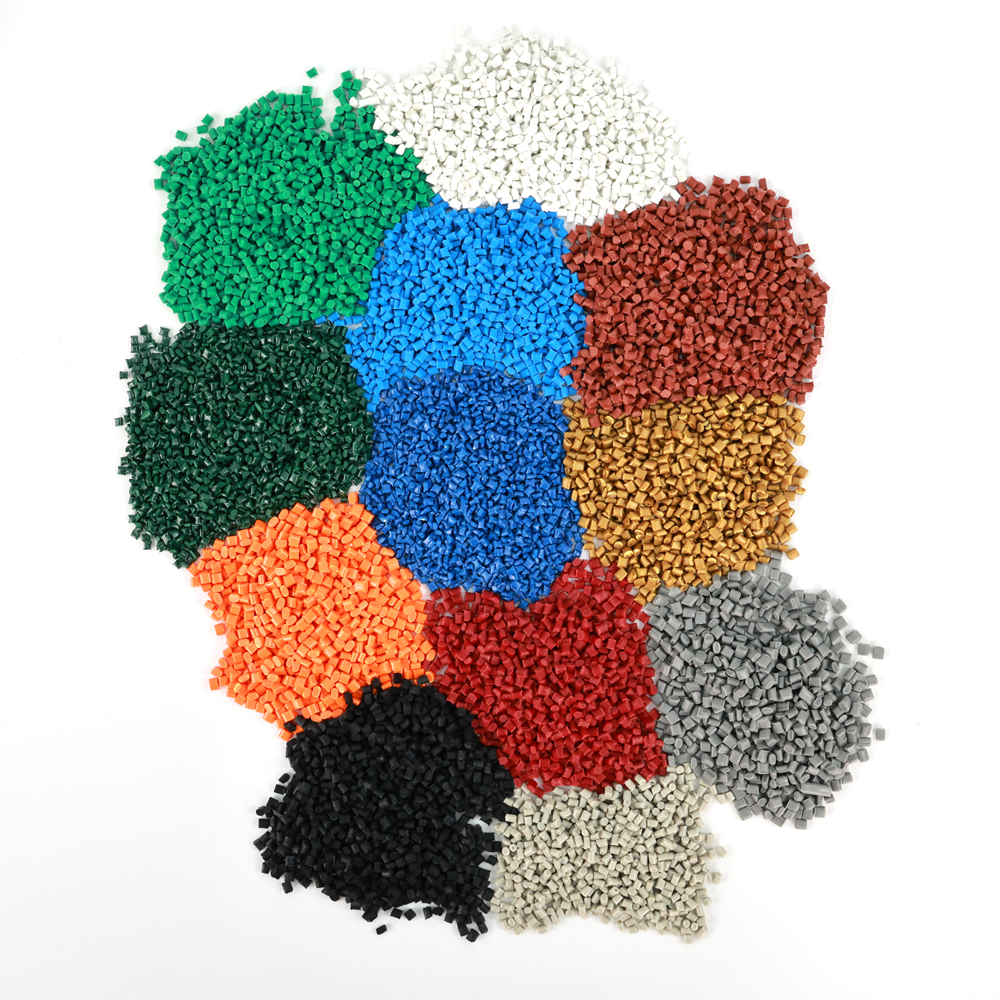
Matériaux
Select resin grades that match cycle time, wear, heat, moisture, and inspection requirements.
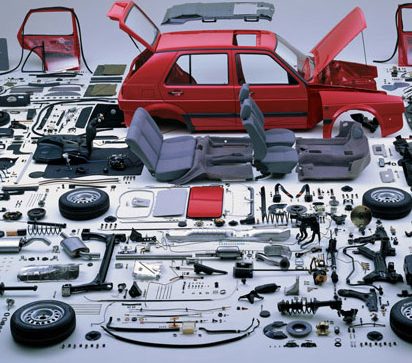
Finitions de surface
Plan texture, coating, marking, and cosmetic requirements around the automated handling process.
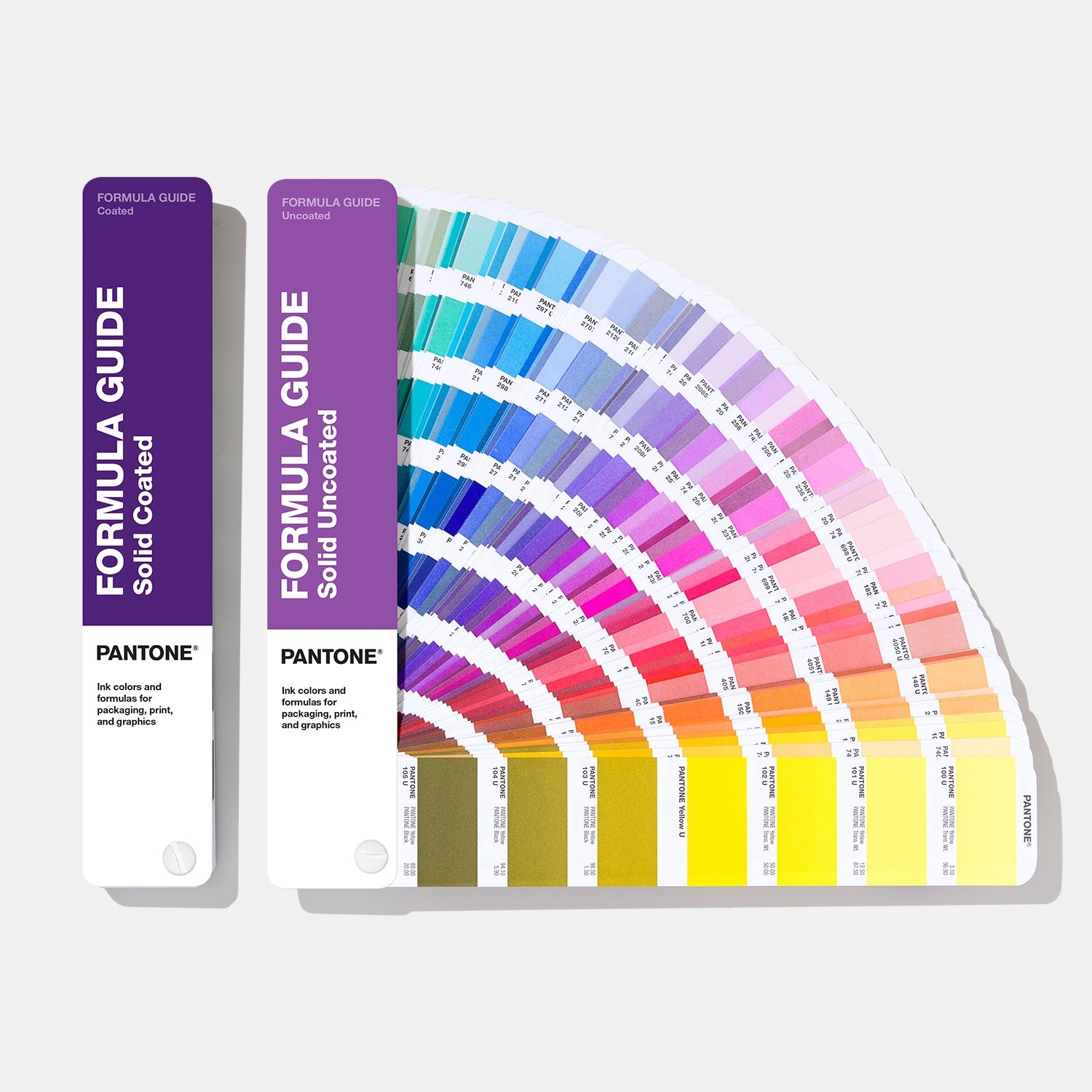
Color & Part Identification
Define color matching, laser marking, labels, or traceability features before production validation.