
Services
Custom Injection Molded Plastic Parts
Plastic Injection Molding Services for Production-Ready Parts
Plastic injection molding services are a strong fit when a project needs repeatable molded parts, a controlled material specification, stable assembly performance and a unit cost that improves at production volume. A dependable result starts before tool steel is cut. The part design, resin, shrinkage assumption, gate location, mold construction, critical dimensions and inspection method should be reviewed as one manufacturing system.
We support custom molded parts from DFM and material review through mold making, first-article validation and repeat production. Buyers receive the clearest quotation when the RFQ identifies annual demand, expected tool life, critical-to-quality features, cosmetic zones and the documents required for approval.
Is Injection Molding the Right Manufacturing Route?
Injection molding is not automatically the best process for every plastic component. It becomes commercially attractive when the design is sufficiently stable and the expected quantity justifies tooling. Early prototypes may still be machined or printed to confirm fit, while rapid tooling can bridge a program that needs molded material behavior before full production tooling is approved.
| État d'avancement du projet | Recommended route | Buyer decision point |
|---|---|---|
| Geometry is changing and only a few functional samples are needed | CNC machining or additive prototyping | Validate fit and function before committing to a mold. |
| Production resin and molded behavior must be tested at low volume | Rapid or bridge tooling | Confirm the tool can support the required resin, texture and sample quantity. |
| Design is released and repeat orders are forecast | Production injection mold | Align tool life, cavity count, cycle-time target and maintenance plan with demand. |
| Part has inserts, seals or soft-touch zones | Insert molding or overmolding review | Validate material bonding, insert retention, shutoffs and loading method. |
For a detailed transition decision, compare rapid tooling and production tooling. Programs with uncertain demand should also model tooling cost, expected revisions and unit-price breakpoints instead of comparing piece price alone.
From DFM Review to Repeat Production
1. Requirements and DFM
We review the 3D model, drawing, resin requirement, application environment, annual quantity and approval criteria. The DFM review identifies molding direction, parting line, draft, undercuts, wall transitions, ribs, bosses, gate options, ejector locations and likely cosmetic effects.
2. Tooling Definition
The tool proposal should state mold steel, cavity count, runner approach, interchangeable inserts, side actions, expected life, ownership, storage and maintenance responsibility. These details prevent two quotations with different tooling assumptions from appearing comparable.
3. Mold Trials and First Articles
Trial parts are checked against the agreed drawing and visual standard. Dimensional results, material identification and open deviations should be reviewed before approval. Where required, samples can be submitted with a first-article report and project-specific quality documents.
For a stage-by-stage sample and approval review, use our T0, T1 and T2 mold-trial checklist.
4. Controlled Production
After sample approval, the process window, approved material, inspection plan and packaging method become the production baseline. Engineering changes should be revision-controlled so that tooling, drawings and inspection records remain aligned.
Material Selection Must Match the Part and the Mold
Resin selection changes strength, stiffness, impact behavior, moisture response, chemical resistance, dimensional stability, surface appearance and processing risk. It also affects shrinkage, venting, gate design, cooling and mold wear. A material should therefore be specified by an exact grade or by documented application requirements, not only by a broad family name such as “nylon” or “PC.”
| Famille de matériaux | Common project reason | Manufacturing questions to resolve |
|---|---|---|
| ABS, PC/ABS | Housings, covers and general structural parts | Impact target, heat exposure, flame rating, color and cosmetic surface. |
| PP, PE | Chemical resistance, low density, hinges and containers | Shrinkage, warpage, stiffness, sealing features and dimensional expectations. |
| POM | Low-friction gears, guides and precision mechanisms | Homopolymer or copolymer, centerline porosity risk, wear pair and tolerance plan. |
| PA6, PA66 and reinforced nylon | Load-bearing brackets, clips and under-hood components | Conditioned properties, moisture absorption, fiber orientation, warpage and mold wear. |
| PBT, PPS and other higher-temperature resins | Electrical, thermal or chemical performance | Drying, corrosion or wear risk, venting, dimensional stability and compliance grade. |
| TPE, TPU | Flexible seals, grips and overmolded features | Hardness, compression behavior, substrate adhesion, gate mark and flash control. |
Notre injection molding materials guide explains the first comparison. If a grade is not fixed, send the load, temperature, chemical exposure, regulatory needs, appearance and service-life expectations. Equivalent-grade substitutions should require buyer approval because additives and reinforcement can change both performance and processing.
Tooling Choices, Ownership and Maintenance
A mold quotation should define what the buyer is purchasing. The lowest initial tool price may use fewer cavities, softer steel, a cold runner or more manual actions; a higher-priced proposal may target longer life, faster cycles or easier maintenance. The commercial comparison is meaningful only after these assumptions are normalized.
- Tool classification: prototype, bridge or production tool, with an agreed expected shot range.
- Construction: mold base and insert steel, hardness or heat treatment where relevant, cavity count and interchangeable components.
- Feed system: cold runner, hot runner or valve gate, including responsibility for purchased components and spares.
- Ownership: who owns the mold, inserts, electrodes, design data and dedicated gauges after payment.
- Maintenance: preventive-maintenance interval, wear-part replacement, storage conditions and repair approval process.
- Transfer conditions: whether the mold can be transferred and which files, spares and records accompany it.
Tool steel must be selected against resin abrasiveness, corrosion risk, finish requirement and lifetime, not by production quantity alone. Review the practical differences among P20, H13, S136 and 718 tool steels before approving the tool specification.
DFM Checks That Protect Function and Appearance
DFM is most valuable when it connects each recommendation to a functional or manufacturing risk. Typical wall thickness, rib ratios and draft angles are starting points rather than universal acceptance limits; resin, texture, flow length, geometry and assembly loads can change them.
- Consistent nominal wall sections and controlled thick-to-thin transitions
- Draft appropriate for depth, texture and ejection direction
- Ribs and bosses proportioned to reduce sink and distortion
- Internal radii that reduce stress concentration and improve flow
- Undercuts identified with a practical slide, lifter or redesign strategy
- Gate location reviewed for filling, packing, weld lines and gate vestige
- Venting and end-of-fill areas considered for burn or short-shot risk
- Ejector locations kept away from critical cosmetic and sealing surfaces
- Parting lines and shutoffs reviewed for flash and witness-line limits
- Critical dimensions linked to stable datums and a realistic inspection method
Gate type and location can change weld-line position, packing balance, orientation and appearance. Use the designated injection mold gate design guide for that decision. For multi-part assemblies, the tolerance stack-up guide shows how datum choice, molding variation, shrinkage and clearance interact.
First-Article Approval and Production Inspection
The drawing should identify dimensions and features that affect assembly, sealing, alignment, safety or appearance. Applying a tight tolerance to every feature can increase tool complexity and inspection cost without improving function. Instead, classify critical-to-quality features and agree how each will be measured.
| Approval item | What the buyer should define | Typical evidence |
|---|---|---|
| Matériau | Exact grade, color, approved equivalent rules and any compliance need | Material certificate, lot identification or supplier documentation as agreed |
| Dimensions | Ballooned critical dimensions, datums, tolerance and sample quantity | First-article dimensional report using agreed gauges or equipment |
| Aspect | Texture, gloss, color, gate area and acceptable visual boundary | Approved sample, limit sample or documented visual standard |
| Function | Assembly, torque, pull-out, leak, load or environmental requirement | Functional test record or buyer assembly trial |
| Production control | Inspection frequency, traceability, change control and document format | Control plan, inspection record, process data or PPAP elements when contracted |
First-article approval is not only a dimensional event. A part may pass isolated measurements yet fail because of warpage, conditioning, fiber orientation, cosmetic defects or an unstable process. Samples should therefore represent the intended material, tool configuration and process, with deviations recorded before production release.
How to Compare Injection Molding Quotations
Separate one-time tooling charges from recurring part price and secondary operations. Then compare the assumptions behind each number. A useful quotation identifies resin and grade, resin price basis, cavity count, runner type, estimated cycle assumptions, tool steel, expected life, sampling scope, inspection documents, packaging, Incoterm and lead time. It should also state what is excluded.
For programs with several annual volume scenarios, request pricing at the same quantity breaks. This shows whether a proposed cavity count and tool design remain economical as demand changes. Also confirm who pays for design changes after DFM approval, how trial rounds are handled and when the tool is considered accepted.
Injection Molding RFQ Checklist
- Native 3D CAD file and a revision-controlled 2D drawing
- Resin grade or application requirements for material selection
- Annual volume, order quantity and expected program life
- Prototype, bridge or production tooling preference
- Critical dimensions, datums and inspection method
- Color, texture, gloss and cosmetic classification
- Insert, overmold, assembly or secondary-operation requirements
- Operating temperature, chemicals, loads and outdoor exposure
- Required certificates, FAI format, PPAP level or traceability
- Packaging, labeling, delivery location and target schedule
- Mold ownership, storage, maintenance and transfer expectations
- Forecast uncertainty or planned engineering changes
When information is not yet fixed, identify it as an open requirement. That lets us separate firm quotation assumptions from items that may change tooling, material, validation or lead time.
Request a DFM Review and Injection Molding Quote
Send the CAD model, drawing, material target, quantities and approval requirements. We will review the part for moldability, identify decisions that affect tooling or quality and prepare a quotation around the agreed manufacturing scope.
Injection Molding DFM Review
Before tooling begins, the review covers part geometry, wall transitions, draft, undercuts, gate and ejection options, material shrinkage, critical tolerances, cosmetic zones and approval requirements. These decisions are recorded before mold fabrication.
For related planning, see our material selection guidance et mold design and mold making process.
Part Design Review
Material and Compliance Review
Tooling and Mold Design
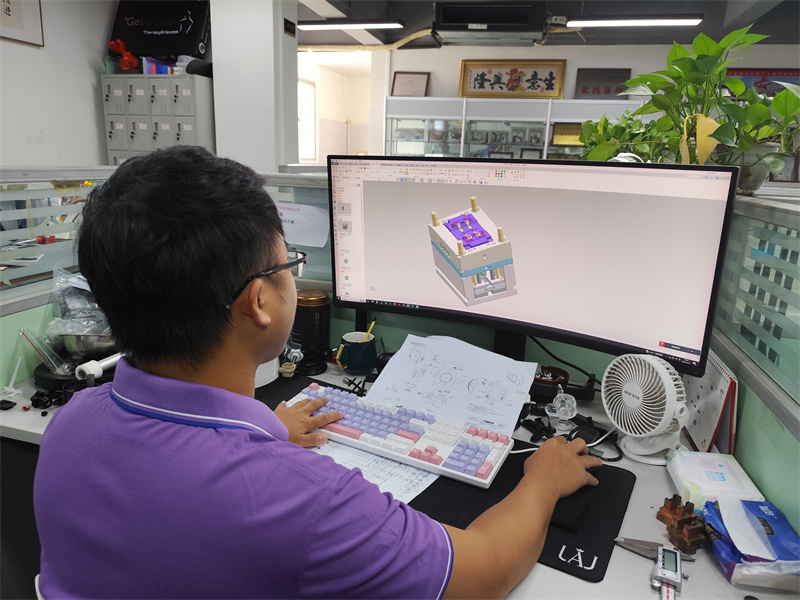
DFM and Molding Risk Review
Review the CAD model and drawing before tooling so geometry, molding direction, critical dimensions and visible surfaces are linked to specific manufacturing risks.
Principaux avantages
Wall sections, ribs and bosses reviewed for molding and functional requirements.
Draft, molding direction, parting lines, undercuts and ejection reviewed before tooling.
Gate options, weld-line locations, sink, venting and cosmetic risks identified for review.
Filling, cooling and warpage analysis included when required by the project.
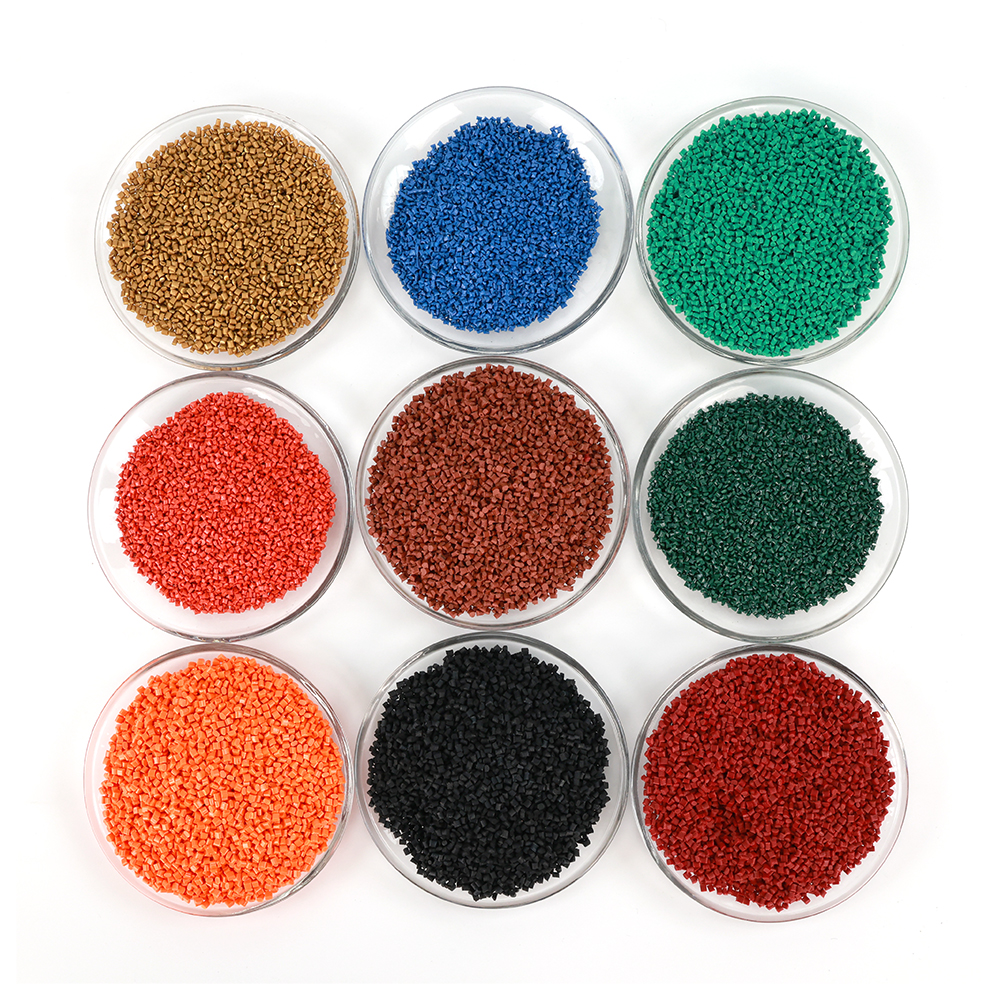
Material and Compliance Review
Principaux avantages
Mechanical, thermal, chemical and environmental requirements documented.
Applicable RoHS, REACH and other project documentation identified.
Grade, additives, reinforcement, color and processing requirements compared.
Approved material and any required testing or certification records confirmed.
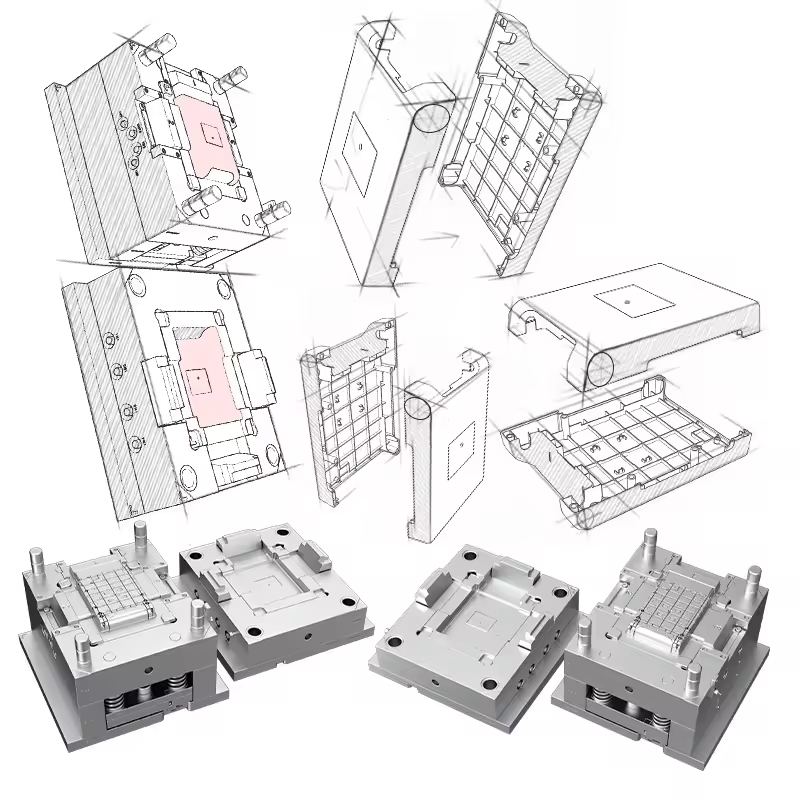
Mold Design and Tooling Definition
Voici ce à quoi vous pouvez vous attendre :
Cavity count, runner, gate, cooling and ejection approach reviewed together.
Critical dimensions, cosmetic zones and inspection access linked to the tool design.
Mold steel, expected life, wear areas, maintenance and spare requirements documented.
Ownership, storage, change control and transfer conditions recorded in the quotation.

Mold Trial, First Article and Production
Vos principaux avantages :
Trial samples reviewed against the released drawing and agreed visual standard.
Critical dimensions, material identity and functional checks recorded as agreed.
Open deviations and tooling adjustments reviewed before sample approval.
Approved material, process window, inspection plan and packaging form the production baseline.
Project Workflow
From DFM to Approved Production
Defined review points keep drawings, material, tooling assumptions, inspection requirements and project timing aligned from the first DFM review through mold trials, first-article approval and repeat production.
Step 1: Requirements and DFM
Step 2: Mold Design and Fabrication
Step 3: Trial, FAI and Production Approval
Plastic Injection Molding Services FAQ
Provide a native 3D CAD model, a revision-controlled 2D drawing, material or application requirements, annual volume, order quantity, color and finish, critical dimensions, inspection documents, packaging needs and the target schedule.
Use rapid tooling when the design, demand or validation plan is still developing and molded samples are needed quickly. Use production tooling when geometry is released, repeat demand is credible and the program can justify the required steel, cavities, runner system, maintenance plan and expected tool life.
A useful DFM review covers molding direction, parting line, draft, wall transitions, ribs, bosses, undercuts, gate options, ejection, venting, cosmetic risks, material shrinkage, critical dimensions and the proposed inspection approach.
Approval should use the released drawing and agreed visual and functional standards. Depending on the project, the submission may include molded samples, a dimensional first-article report, material documentation, functional test results and recorded deviations.
Ownership and maintenance are commercial terms that should be written into the quotation or tooling agreement. Confirm ownership of the mold and inserts, storage, preventive maintenance, repairs, design data, dedicated gauges, spare components and transfer conditions before purchase.
Send Drawing for Injection Molding Quote
Upload the current CAD model and drawing so material, manufacturability, tooling, critical tolerances, inspection scope and production volume can be reviewed together before quotation.
Please include:
- 3D CAD model and revision-controlled 2D drawing
- Material grade, application and regulatory requirements
- Prototype quantity, order quantity and expected annual volume
- Critical dimensions, datums and inspection documents
- Color, texture, cosmetic surfaces and secondary operations
- Mold-life, ownership, maintenance and transfer expectations
- Assembly, packaging and traceability requirements
- Target first-article and production delivery dates