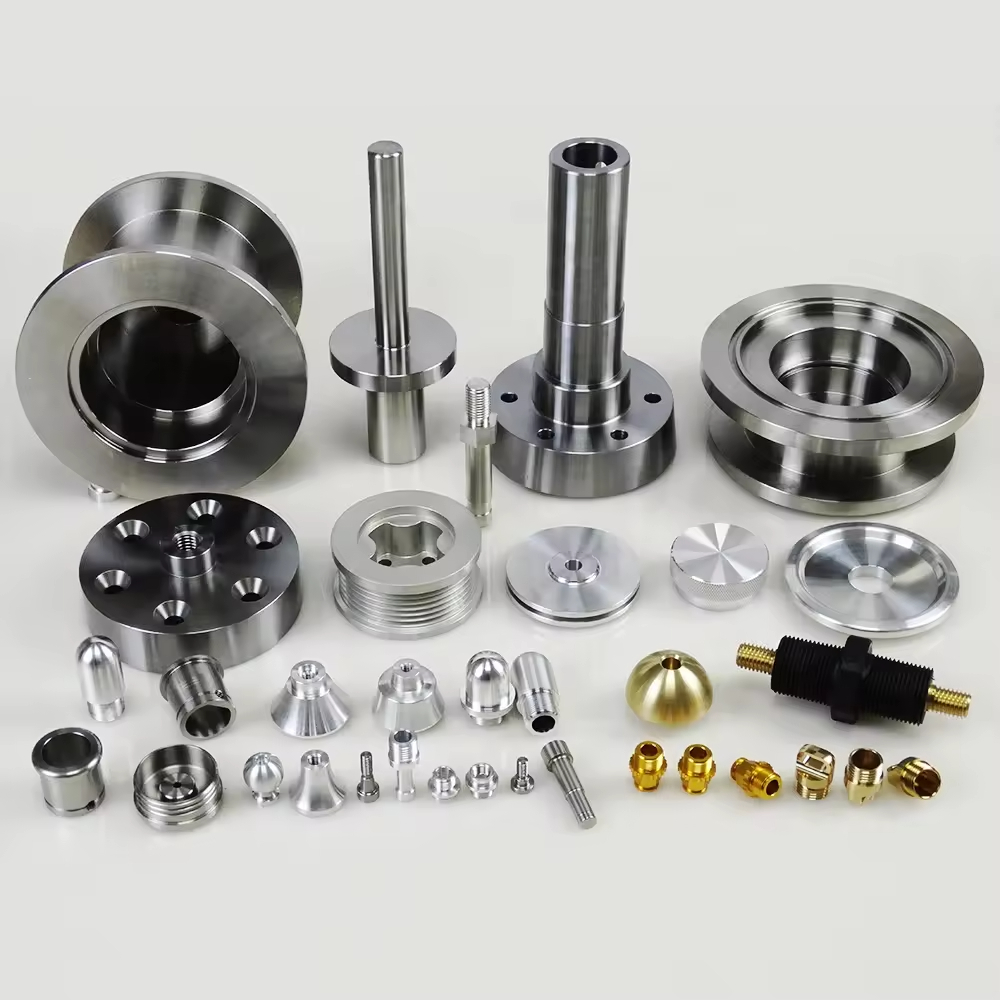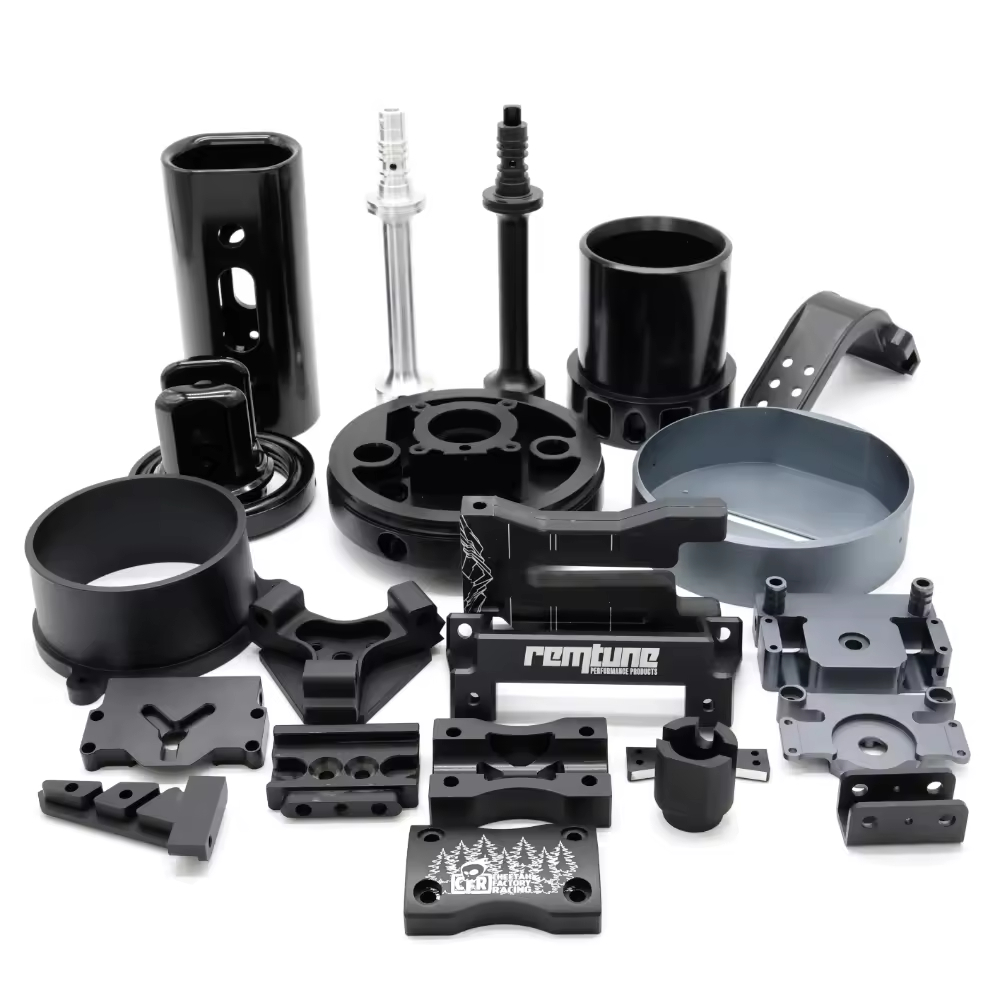
Carbon Steel represents Complete Guide to Carbon Content and Properties one of the most important concepts in materials engineering and testing. This comprehensive guide examines the fundamental principles, measurement techniques, and industrial applications of carbon in carbon steel, providing engineers and quality control professionals with essential knowledge for material evaluation and performance assessment.

Principes fondamentaux et caractéristiques
The carbon in carbon steel principles determine material suitability for specific engineering applications. Key characteristics include mechanical strength, deformation behavior, failure modes, and testing methodologies. Understanding these fundamental principles enables optimal material selection across diverse industrial contexts.

Applications industrielles
| Domaine d'application | Utilisation spécifique | Exigences de performance | Avantages des matériaux |
|---|---|---|---|
| Ingénierie des structures | Éléments porteurs | Haute résistance, durabilité | La sécurité est essentielle |
| Conception mécanique | Composants de machines | Résistance à la fatigue | Fiabilité |
| Aérospatiale | Structures d'aéronefs | Rapport résistance/poids | Optimisation du poids |
| Automobile | Composants de véhicules | Résistance aux chocs | Sécurité en cas d'accident |
| La construction | Matériaux de construction | Durabilité à long terme | Durée de vie |
Processus de test et de mesure
carbon in carbon steel testing involves specialized techniques tailored to material properties and application requirements. Common testing methods include destructive testing, non-destructive evaluation, laboratory analysis, and field testing, each offering distinct advantages for specific quality control requirements.

Considérations relatives à la sélection des matériaux
Selecting materials based on carbon in carbon steel characteristics requires evaluating multiple performance criteria against cost constraints and manufacturing feasibility. Key considerations include mechanical properties, environmental resistance, processing characteristics, and lifecycle costs.
Analyse des performances par rapport aux coûts
Material selection balances performance requirements against economic constraints. Materials with optimal carbon in carbon steel characteristics offer specific advantages in applications requiring [performance characteristic], though alternative materials may provide better cost-performance ratios for less demanding applications.
Facteurs environnementaux et réglementaires
Les réglementations environnementales et les enjeux liés au développement durable influencent de plus en plus le choix des matériaux. La conformité des matériaux aux normes et réglementations applicables doit être vérifiée en fonction des applications spécifiques et des marchés géographiques concernés.
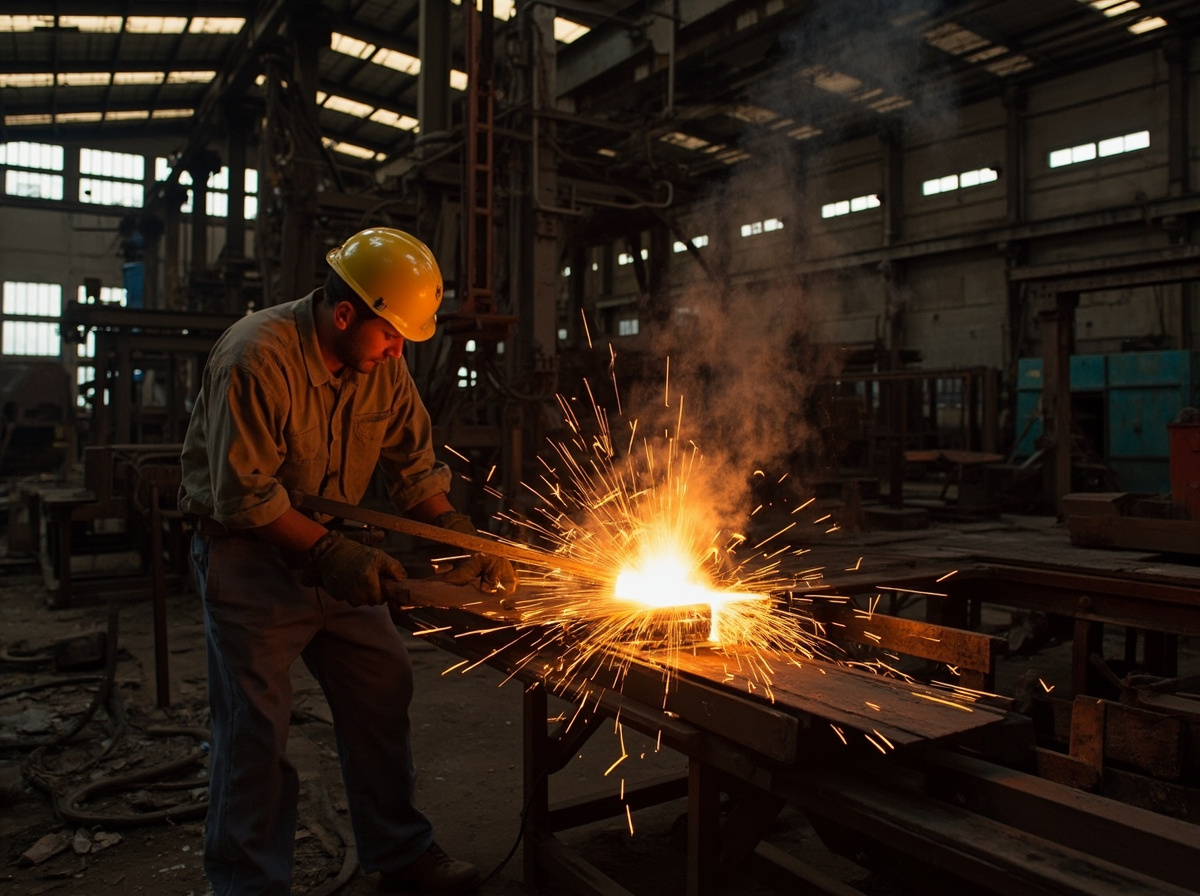
Développements et tendances futurs
Advancements in carbon in carbon steel testing and material development continue to expand application possibilities while addressing performance concerns. Emerging trends include improved testing accuracy, enhanced material properties through alloy development, and increased focus on standardized testing protocols.
Conclusion
carbon in carbon steel represents a critical aspect of materials engineering with diverse industrial applications spanning structural engineering, mechanical design, aerospace, automotive, and construction. Understanding its fundamental principles, testing methodologies, and application-specific considerations enables engineers and quality control professionals to make informed material selection decisions that balance performance, cost, and sustainability requirements.
FAQ
How should buyers evaluate Carbon Steel: Complete Guide to Carbon Content and Properties?
Carbon Steel: Complete Guide to Carbon Content and Properties should be evaluated by matching strength, corrosion resistance, heat exposure, machinability, finishing requirements, and certification needs to the operating environment.
What properties matter most for Carbon Steel: Complete Guide to Carbon Content and Properties?
Les propriétés les plus importantes sont généralement la résistance, la dureté, la ductilité, la résistance à la corrosion, le comportement thermique, l'usinabilité et la compatibilité avec les traitements de surface.
Quelles sont les informations qui permettent de sélectionner la bonne qualité de métal ?
La charge de l'application, l'environnement, la température, les matériaux de contact, la finition requise, le processus de production et les normes applicables sont autant d'éléments qui permettent de restreindre le choix de la qualité.
What is a common mistake when choosing Carbon Steel: Complete Guide to Carbon Content and Properties?
Une erreur fréquente consiste à choisir en fonction de la seule résistance, sans tenir compte de la corrosion, du formage, de l'usinage, du soudage, de la finition ou des conditions d'utilisation à long terme.