
Acétal POM (polyoxyméthylène) — Le guide complet de l'usinage CNC des plastiques

This pom acetal polyoxymethylene guide explains practical material, design, manufacturing, and sourcing considerations for Nylon Plastic readers.
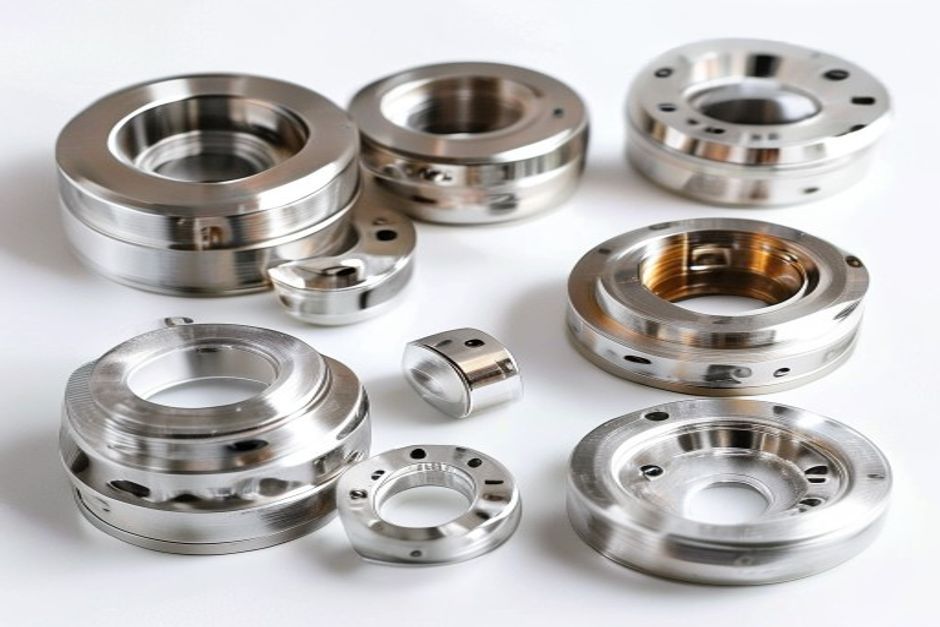
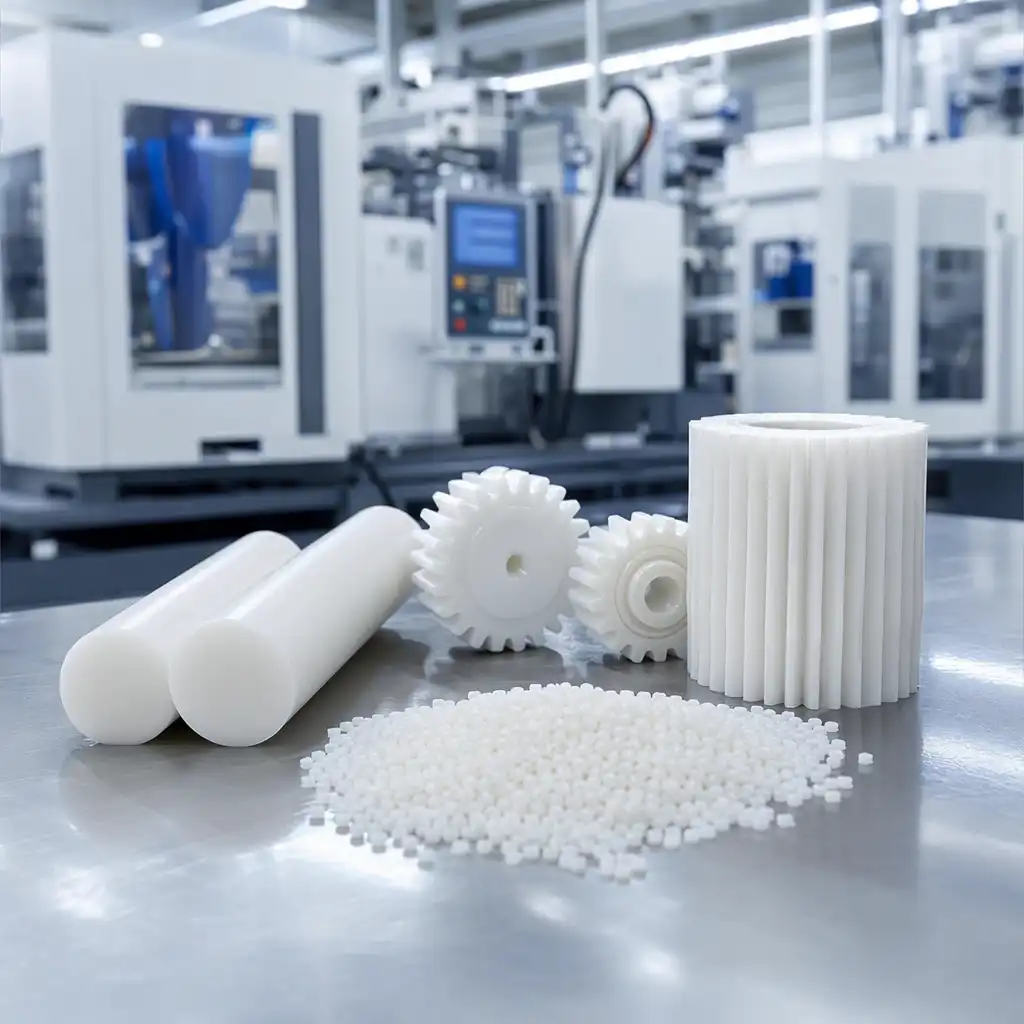
Engrenages et pièces de précision en POM acétal (Delrin) usinés par CNC - Service d'usinage CNC Nylonplastic

POM acetal rods, gears and machined stock in a CNC plastics workshop
POM acétal (polyoxyméthylène) — Le guide complet de l'usinage CNC des plastiques

Qu'est-ce que le plastique acétal POM ?
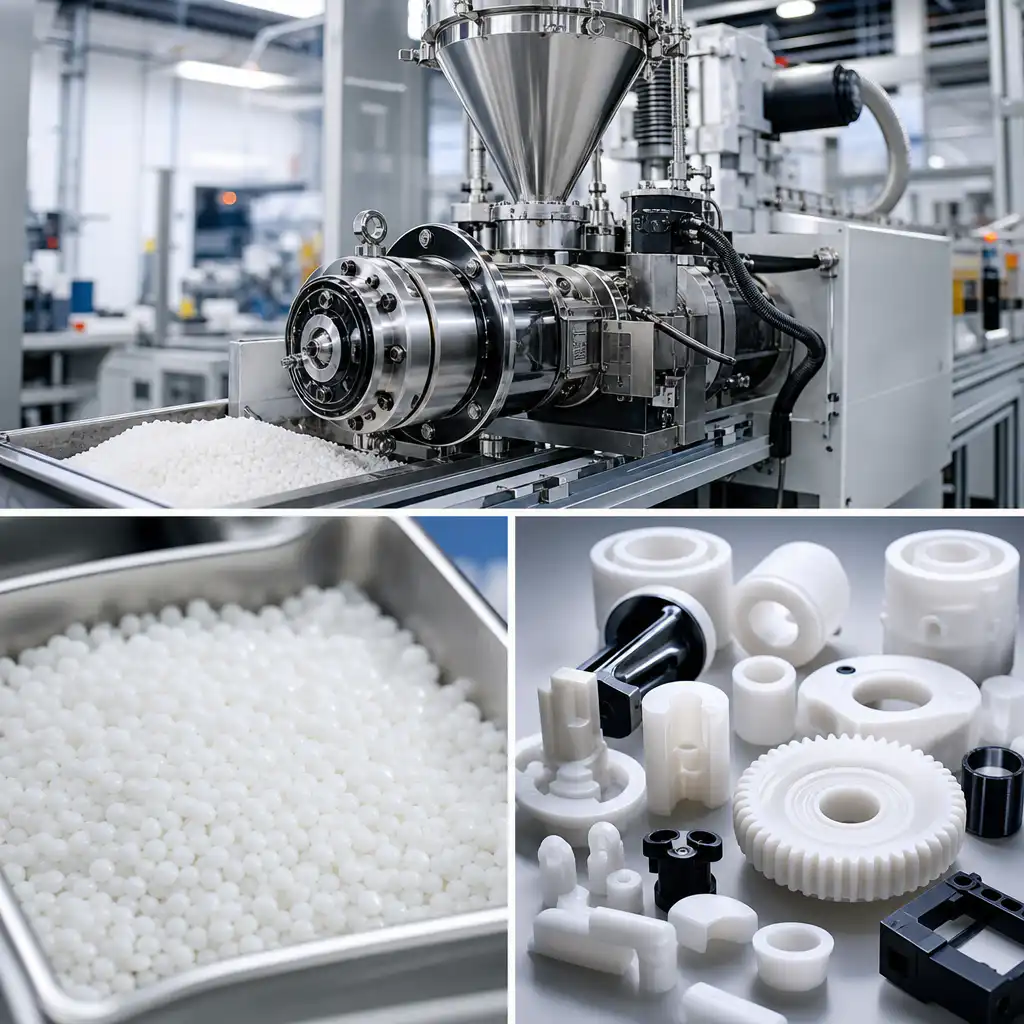
POM acetal CNC machining line with polymer pellets and finished precision components
Photo industrielle professionnelle : POM acétal (polyoxyméthylène), fabrication

Le POM (polyoxyméthylène), également connu sous le nom d'acétal ou de Delrin, est un thermoplastique technique hautement cristallin. Alliant une grande rigidité, un faible coefficient de frottement et une excellente stabilité dimensionnelle, il est idéal pour la fabrication de composants mécaniques de précision.

Principales propriétés du POM

  • Résistance à la traction : 60 à 70 MPa
  • Module de flexion : 2 500–2 800 MPa
  • Point de fusion : 165–175 °C
  • Coefficient de frottement : 0.2–0.35

Meilleures pratiques en matière d'usinage CNC

Utilisez des outils en carbure bien affûtés, une vitesse de coupe comprise entre 150 et 250 m/min pour le tournage, ainsi qu’un refroidissement par jet d’air ou par bain de liquide.

Applications courantes

Engrenages, pignons, roulements, bagues, rails de guidage, équipements destinés à l'industrie agroalimentaire et composants de dispositifs médicaux.
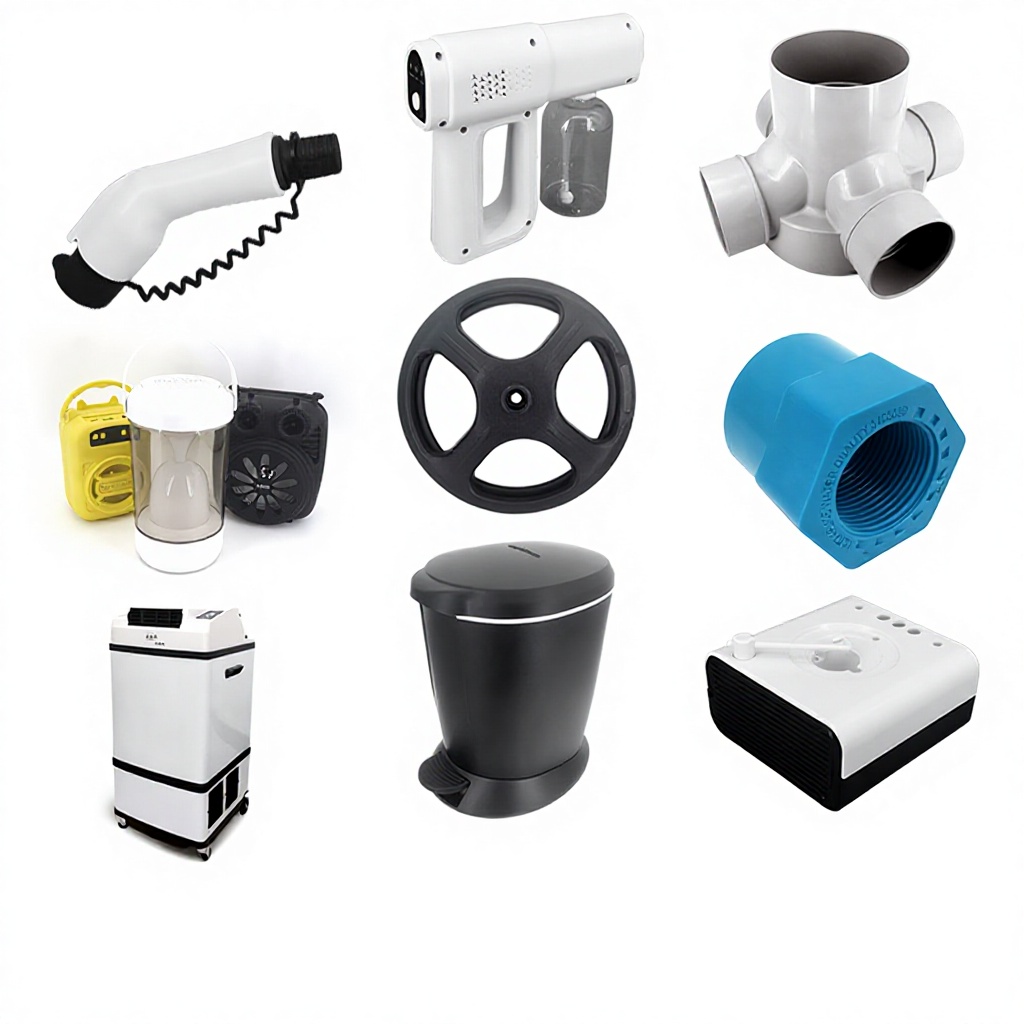
POM CNC Machining: What the Shop Must Control

POM is easy to machine compared with many reinforced engineering plastics, but it still needs a controlled process. The stock should be supported evenly, the workholding should not crush thin sections, and the tool path should remove heat instead of rubbing the polymer. A part that measures correctly while clamped can move after release if the stock or fixture has stored stress.

Control point Pourquoi est-ce important ? Useful RFQ evidence
Stock and grade Different POM grades can vary in stiffness, friction, color and dimensional behavior Grade, certificate, stock size and lot traceability
Serrage des pièces Uneven clamp force can distort thin walls and bores Fixture concept, datum plan and relaxed-part inspection method
Cutting strategy Rubbing and trapped chips can raise heat and damage the surface Tool material, chip evacuation and critical surface requirement
Inspection condition Temperature and release state can change the measured result Inspection temperature, datum scheme and critical dimensions

For a production decision, compare CNC-machined POM with molded POM, unfilled PA, PA-GF20 and PA-CF30 only against the actual duty cycle. POM is often attractive for low-friction parts, while reinforced nylon may be better when stiffness, wear or temperature response dominates. A material substitution should be validated with the mating component and service environment.

Prototype-to-Production Questions

Lire la suite

Questions fréquemment posées

When is POM acetal a good choice for a CNC-machined plastic part?

POM is useful when low friction, good stiffness, wear resistance and dimensional stability are more important than high temperature or long-term moisture resistance. Confirm the load, speed and chemical environment first.

What should be checked before choosing POM for CNC machining?

Check part size, wall thickness, tolerance, surface finish, heat exposure, load direction, friction, chemical contact and whether the design will remain machined or later move to injection molding.

How should POM be held during machining?

Use even support and moderate clamping force. Excessive local pressure can distort the stock and the part can move when released, so critical dimensions should be inspected after the part has relaxed.

What affects the cost of POM CNC machining?

Cost depends on stock size, material grade, number of setups, tool access, tolerances, surface finish, inspection and quantity. Standard tools and relaxed non-critical tolerances usually reduce cost.

Can POM be replaced by nylon or PA-GF20?

Sometimes, but the replacement changes friction, moisture response, stiffness, wear and dimensional behavior. Compare the application data rather than substituting by name alone; PA-GF20 may improve stiffness but can change anisotropy and surface behavior.

Request a POM CNC Machining Review

Send the CAD file, drawing, POM grade preference, tolerances, operating environment, quantity and inspection requirements for a machining review.

Parlez-nous de votre pièce

Ce champ est requis.
Retour en haut