Le nylon et le polycarbonate comptent parmi les thermoplastiques techniques les plus couramment utilisés. Tous deux présentent d'excellentes propriétés mécaniques, mais leurs caractéristiques propres — la résistance aux chocs pour le polycarbonate, la résistance à l'usure pour le nylon — font que chacun d'entre eux est mieux adapté à des applications spécifiques.
À l'attention des équipes d'ingénierie et d'approvisionnement
Nylon ou polycarbonate pour une pièce de série ?
Le polycarbonate s'impose généralement lorsque la résistance aux chocs, la transparence ou une faible absorption d'humidité sont des critères importants. Le nylon est souvent privilégié pour les composants soumis à l'usure, à la fatigue et aux contraintes mécaniques importantes.
- Utilisez du polycarbonate pour les boîtiers destinés à résister aux chocs et les pièces transparentes
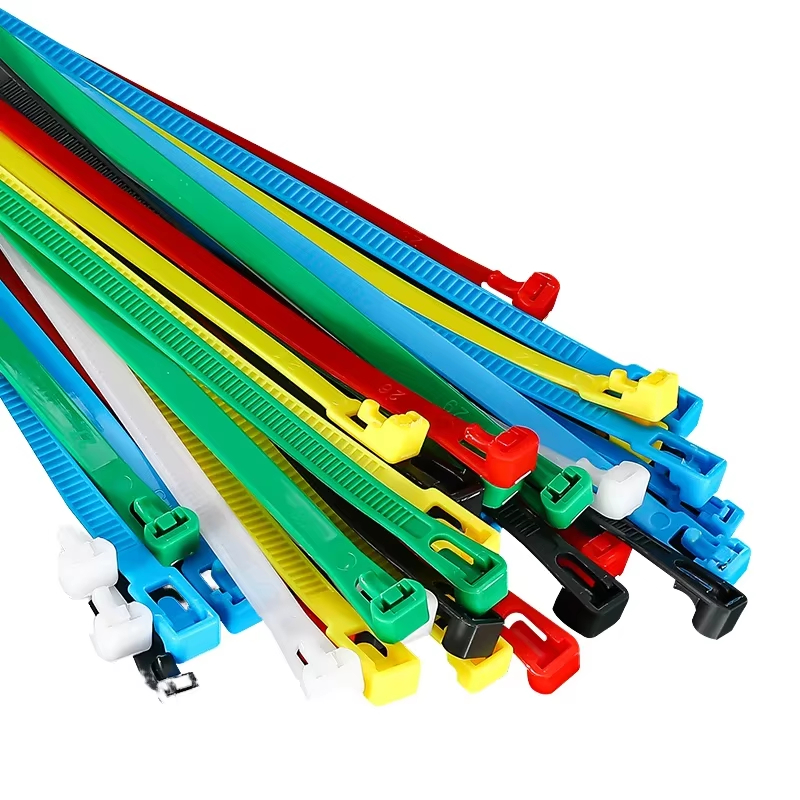
- Utilisez du nylon pour les surfaces d'usure, les engrenages, les clips et les éléments structurels
- Vérifier l'exposition aux produits chimiques, l'humidité et la température de fonctionnement avant la mise en service
Demander une comparaison entre le nylon et le polycarbonate → Consultez le guide de sélection des plastiques techniques
Comparaison des propriétés mécaniques
| Propriété | Nylon (PA6) | Polycarbonate (PC) |
|---|---|---|
| Résistance à la traction (MPa) | 70-85 | 55-75 |
| Module de flexion (GPa) | 2.5-3.0 | 2.2-2.4 |
| Résistance au choc Izod avec entaille (kJ/m²) | 5-15 | 60-80 |
| Densité (g/cm³) | 1.14 | 1.20 |
Résistance aux chocs : la force caractéristique du polycarbonate
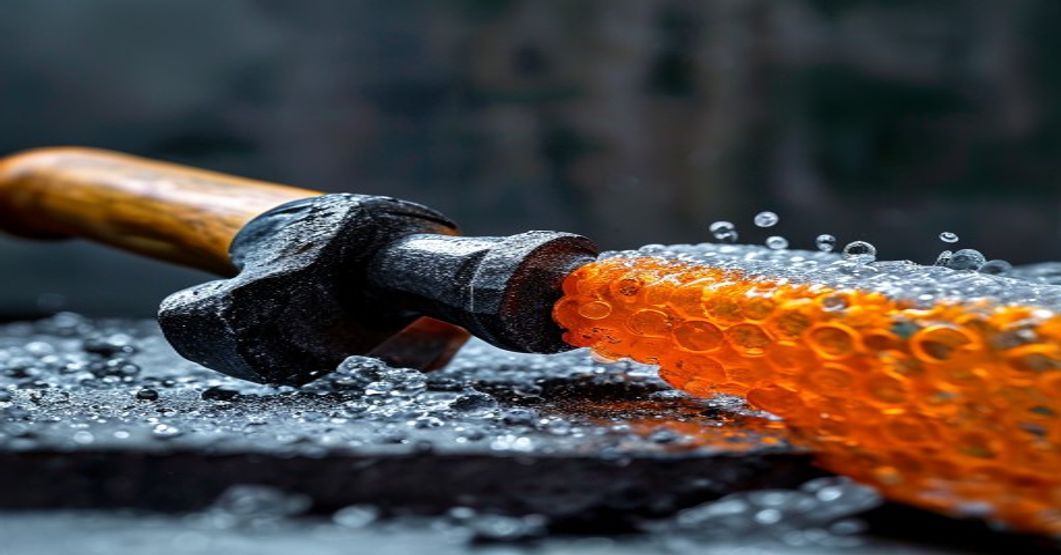
Le polycarbonate est réputé pour sa résistance aux chocs : on l'utilise notamment dans la fabrication de vitres pare-balles et de lunettes de protection. Avec des valeurs de résistance aux chocs Izod (avec entaille) comprises entre 60 et 80 kJ/m², le PC est pratiquement incassable dans des conditions normales d'utilisation.
Propriétés thermiques et optiques
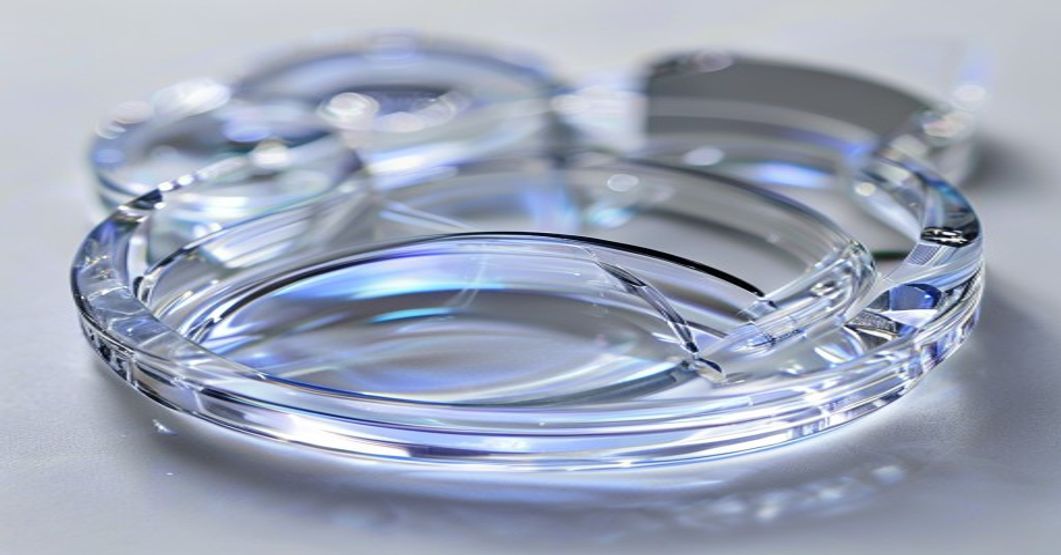
Le polycarbonate est naturellement transparent, avec une transmission lumineuse comprise entre 88 et 90%. Le nylon est naturellement translucide à opaque.
Résistance chimique
Le nylon présente ici un avantage certain. Le polycarbonate a une faible résistance chimique : il est attaqué par les hydrocarbures, les cétones et de nombreux produits nettoyants. Le nylon offre quant à lui une excellente résistance aux huiles, aux graisses, aux carburants et à de nombreux solvants organiques.
Résistance à l'humidité et aux agressions extérieures

Le polycarbonate absorbe une quantité négligeable d'humidité (0,15-0,35%). L'absorption d'humidité du nylon (2,5-3,0%) peut entraîner des variations dimensionnelles. En revanche, le PC est sensible à la dégradation par les UV.
Guide de candidature
Optez pour le nylon dans les cas suivants :
- Une résistance chimique aux huiles et aux carburants est nécessaire
- La résistance à l'usure est un facteur important
- Les pièces doivent résister aux contraintes dynamiques
Optez pour le polycarbonate dans les cas suivants :
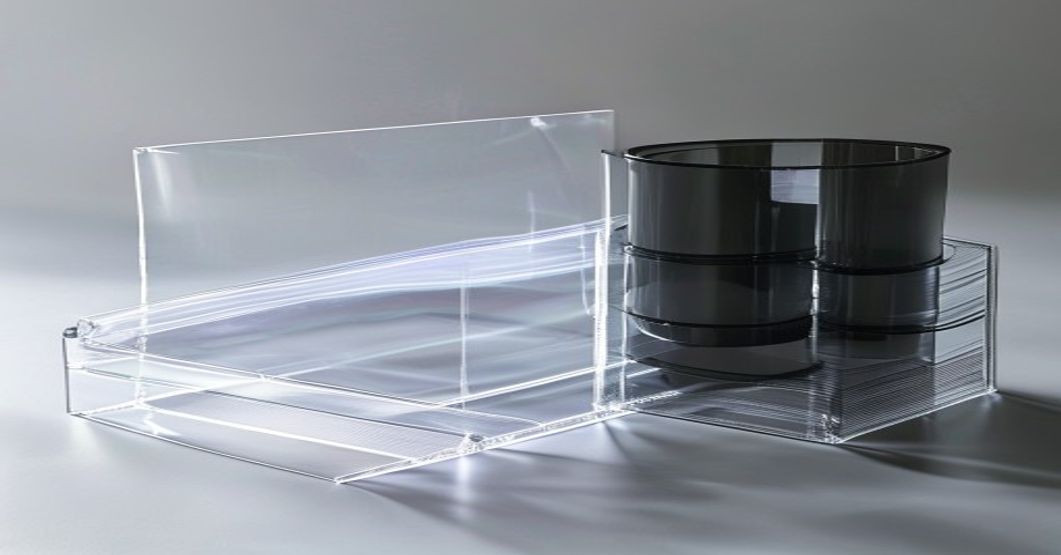
- Une clarté optique est requise
- Une résistance aux chocs exceptionnelle est essentielle
- Une stabilité dimensionnelle face aux variations d'humidité est nécessaire
Nos compétences
Avec plus de 300 machines à commande numérique, nous produisons plus de 10 000 pièces par jour avec des tolérances aussi strictes que ±0,005 mm. Nous acceptons Quantité minimale de commande : à partir d'une pièce, avec des délais de livraison allant de De 24 heures à 15 jours. Nous usinons aussi bien le nylon que le polycarbonate. Recevez un devis sous 24 heures.
For a polycarbonate vs nylon decision, compare impact, wear, heat, moisture, chemical exposure and the actual part geometry before approving a grade.
FAQ
Nylon vs Polycarbonate Properties Comparison
| Propriété | Nylon (PA6/PA66) | Polycarbonate (PC) | Winner Depends On |
|---|---|---|---|
| Résistance à la traction | 70 – 85 MPa (unfilled); 160 – 200 MPa (GF30) | 55 – 70 MPa | Nylon wins with GF; unfilled nylon vs PC is close |
| Résistance aux chocs | 5 – 8 kJ/m² (notched) | 25 – 35 kJ/m² (notched) | PC wins significantly — key for safety parts |
| HDT (1,8 MPa) | 65 – 85°C (unfilled); 245 – 255°C (GF30) | 125 – 135°C | Nylon GF wins on heat; unfilled nylon loses |
| Absorption d'humidité (24 h) | 1.2 – 1.5% (PA66) | 0.15 – 0.35% | PC wins — critical for dimensional stability |
| Résistance chimique | Good to oils, fuels, hydrocarbons | Poor to many solvents, fuels | Nylon wins for chemical exposure |
| Densité | 1.13 – 1.15 g/cm³ | 1.18 – 1.22 g/cm³ | Similar; nylon slightly lighter unfilled |
| Cost (relative) | $$ – $$$ (depending on grade) | $$$ – $$$$ | Nylon generally lower cost per kg |
| Transparency | Opaque | Transparent or translucent | PC wins — only choice for see-through parts |
| Utilisation type | Structural brackets, gears, automotive | Lenses, safety shields, electronics, medical | Application-specific; no universal winner |
Decision framework: Choose polycarbonate when impact safety, optical clarity, or tight dimensional tolerance in varying humidity is required. Choose nylon (especially GF grades) when heat resistance, chemical exposure, or structural load-bearing dominates the application. When both high impact and chemical resistance are needed, consider PC/ABS blends or PBT as alternatives.
Comment savoir si l'article « Nylon ou polycarbonate : comparaison de la résistance mécanique, de la résistance à la chaleur et du coût » correspond à une pièce ?
Nylon ou polycarbonate : comparaison de la résistance mécanique, de la résistance à la chaleur et du coût. Un matériau est adapté à une pièce lorsque sa capacité de charge, sa plage de températures, sa résistance à l'humidité, son comportement à l'usure et son mode de mise en œuvre correspondent aux conditions réelles d'utilisation.
Quelles sont les propriétés à comparer entre le nylon et le polycarbonate : résistance mécanique, résistance à la chaleur et coût ?
Vérifier la résistance, la rigidité, la résistance aux chocs, la résistance à la chaleur, l'absorption d'humidité, la stabilité dimensionnelle, le frottement, l'usure et la compatibilité chimique.
Quel est le principal risque lié au choix entre le nylon et le polycarbonate : comparaison de la résistance mécanique, de la résistance à la chaleur et du coût ?
Le plus grand risque est de choisir à partir d'une fiche technique sans tenir compte de l'environnement réel, de la méthode de traitement, de la géométrie de la pièce et de l'utilisation à long terme.
À quel moment faut-il tester les matériaux « Nylon vs polycarbonate : comparaison de la résistance mécanique, de la résistance à la chaleur et du coût » avant la mise en production ?
Les essais sont recommandés lorsque la pièce est soumise à une charge, à la chaleur, à des produits chimiques, à l'humidité, à des tolérances serrées, à des exigences réglementaires ou à un nouvel environnement de travail.
Lire la suite
- Résistance chimique du nylon : Acides, bases, solvants et autres
- Résistance chimique du nylon : Acides, bases, solvants et autres
- Polyamide vs Nylon : Guide comparatif complet
- Plastic Material Selection and Properties
En bref
| Point de décision | Nylon | Polycarbonate | Remarque à l'attention de l'acheteur |
|---|---|---|---|
| Impact | Robuste et résistant à la fatigue | Très résistant aux chocs | Choisissez en fonction du risque de fissuration et du cycle de service |
| Humidité | Absorbe davantage d'eau | Plus stable | Utilisez le PC lorsque les variations d'humidité sont importantes |
| Chaleur | En fonction du niveau scolaire | Bonne résistance à la chaleur | Vérifiez la température de fonctionnement, et pas seulement la température maximale indiquée dans la fiche technique. |
| Utilisation optimale | Pièces d'usure et pièces structurelles | Pièces transparentes et pièces d'impact | Adapter la fonction de la pièce à l'environnement réel |
Pourquoi choisir le plastique nylon ?
Nylon Plastic aide les acheteurs à comparer le nylon et le polycarbonate lorsqu'il s'agit de trouver le juste équilibre entre résistance à l'humidité, résistance aux chocs et fonctionnalité des pièces dans le cadre de la production.