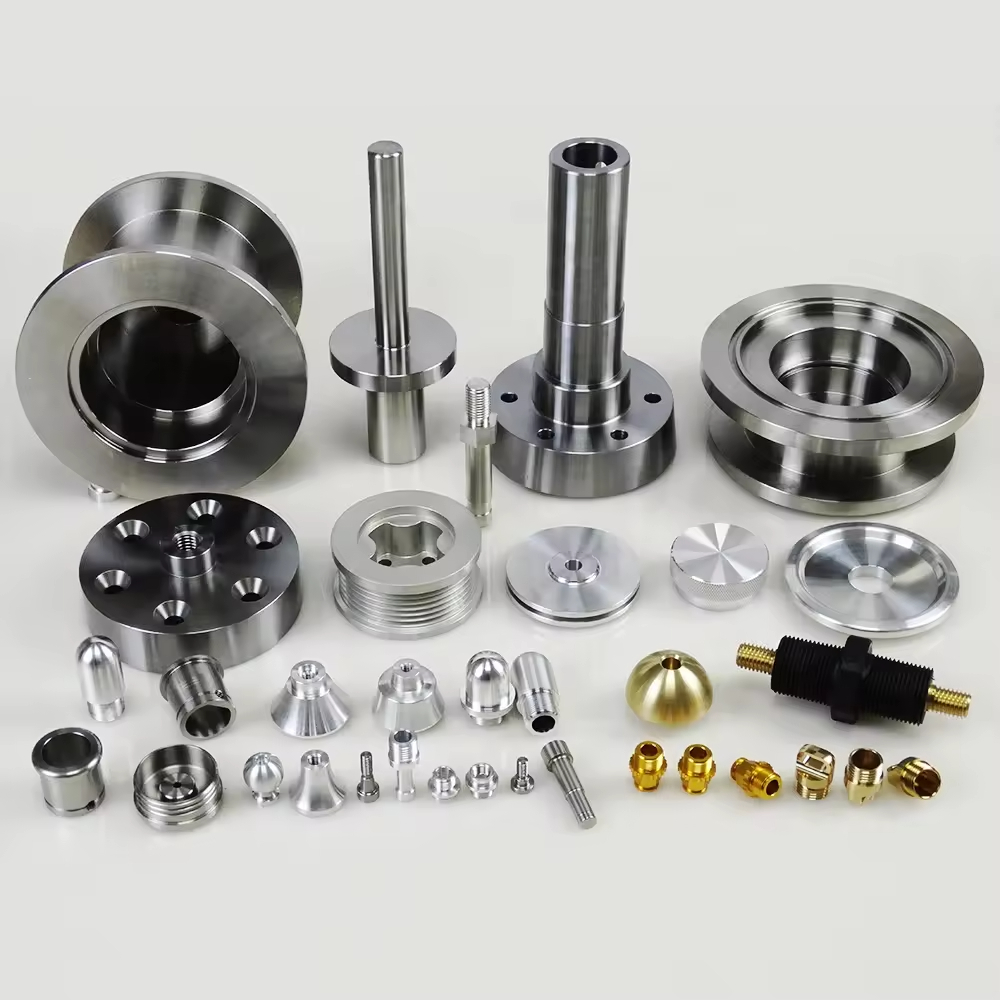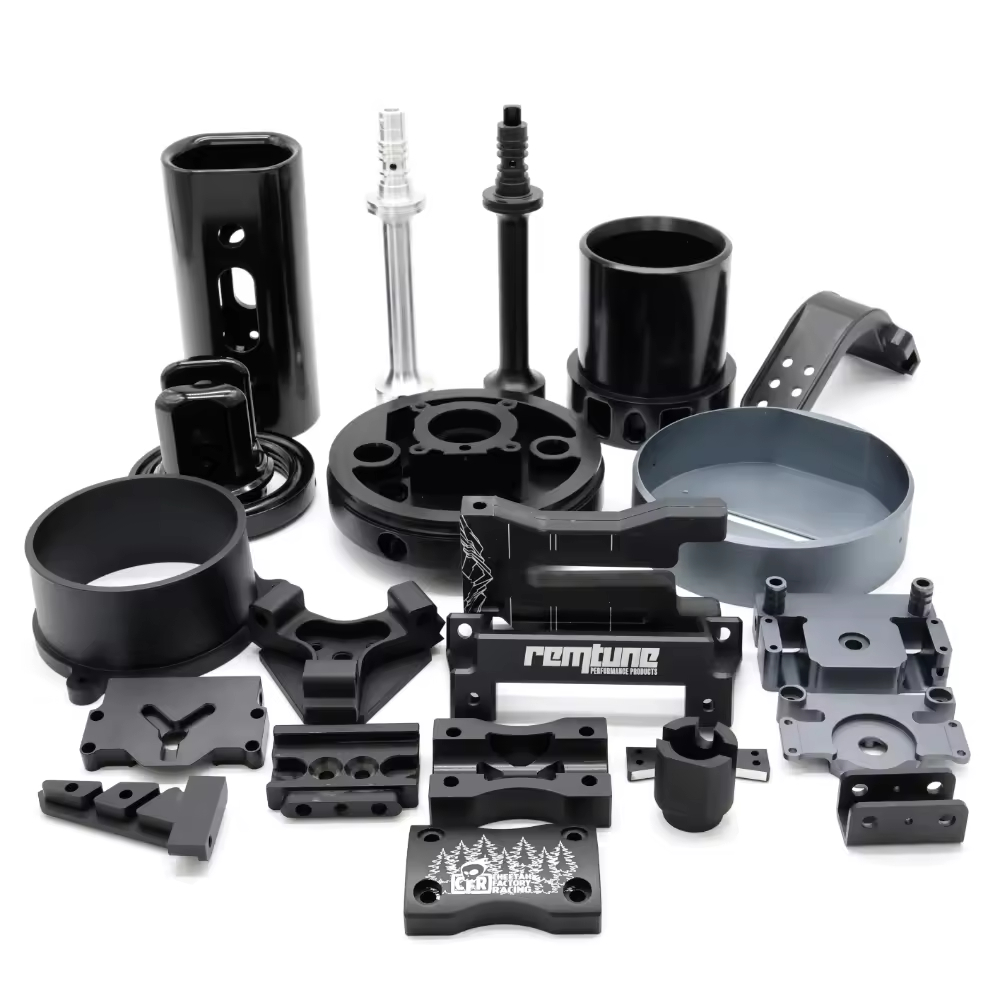
L'ouvrage « Propriétés des métaux » constitue un guide complet sur les caractéristiques métallurgiques, l'un des concepts les plus importants dans le domaine de l'ingénierie des matériaux et des applications industrielles. Ce guide exhaustif examine les aspects fondamentaux, les techniques de mesure et les applications pratiques des propriétés des métaux, offrant ainsi aux ingénieurs et aux professionnels techniques les connaissances indispensables à la sélection des matériaux et à l'optimisation des procédés.

Propriétés et caractéristiques fondamentales
Les propriétés des métaux déterminent leur adéquation à des applications industrielles spécifiques. Parmi leurs principales caractéristiques figurent la résistance mécanique, la résistance chimique, le comportement thermique et les possibilités de mise en œuvre. La compréhension de ces propriétés fondamentales permet de choisir le matériau le mieux adapté dans divers contextes d'ingénierie.
Applications industrielles
| Domaine d'application | Utilisation spécifique | Exigences de performance | Avantages des matériaux |
|---|---|---|---|
| Fabrication | Production de composants | Haute résistance, durabilité | Rentable et fiable |
| La construction | Éléments structurels | Capacité de charge | Longue durée de vie |
| Électronique | Composants électriques | Conductivité, stabilité | Cohérence des performances |
| Automobile | Composants de véhicules | Optimisation du poids | Efficacité énergétique |
| Aérospatiale | Structures d'aéronefs | Rapport résistance/poids élevé | La sécurité est essentielle |
Procédés de fabrication
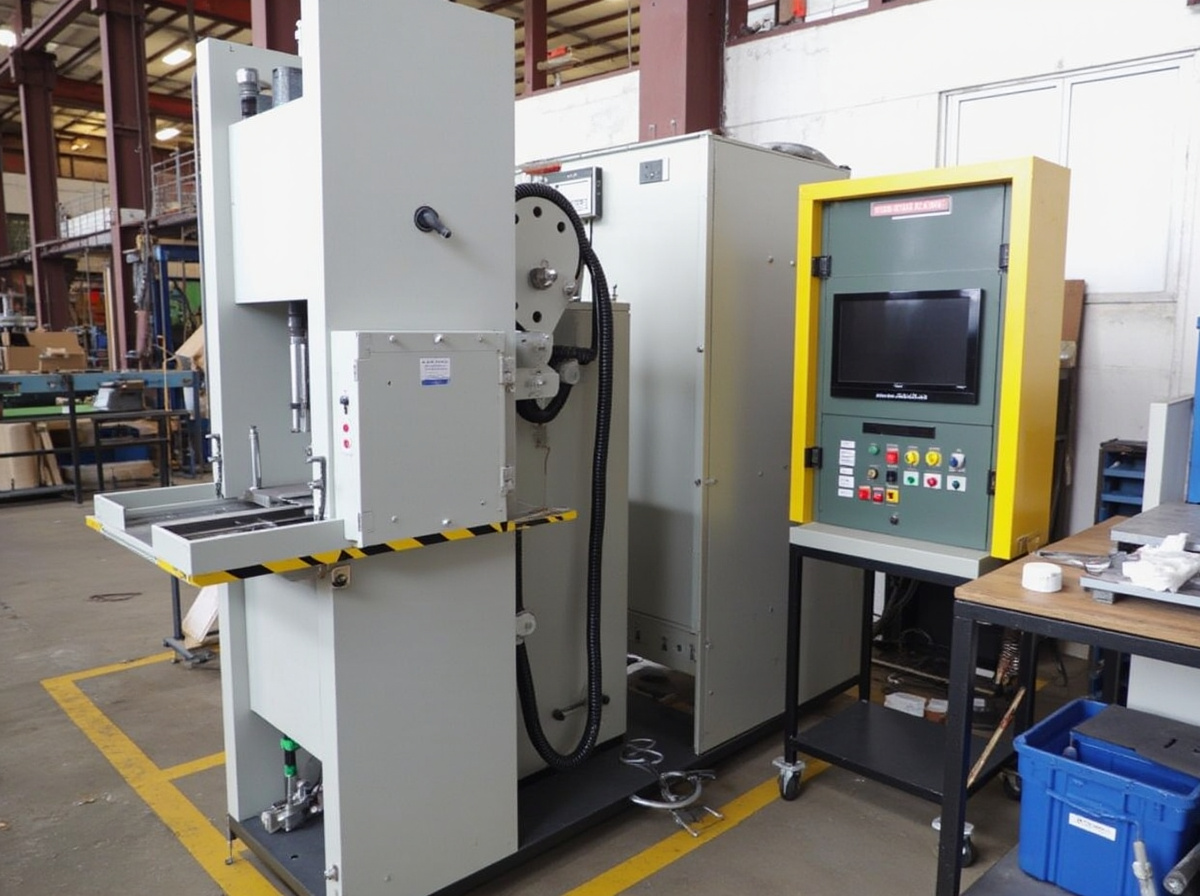
La fabrication des métaux fait appel à des procédés spécialisés adaptés aux propriétés des matériaux et aux exigences des applications. Parmi les méthodes de fabrication courantes, on peut citer le moulage, le forgeage, l'usinage et la fabrication additive, chacune offrant des avantages spécifiques pour certaines géométries de composants et certains critères de performance.
Considérations relatives à la sélection des matériaux
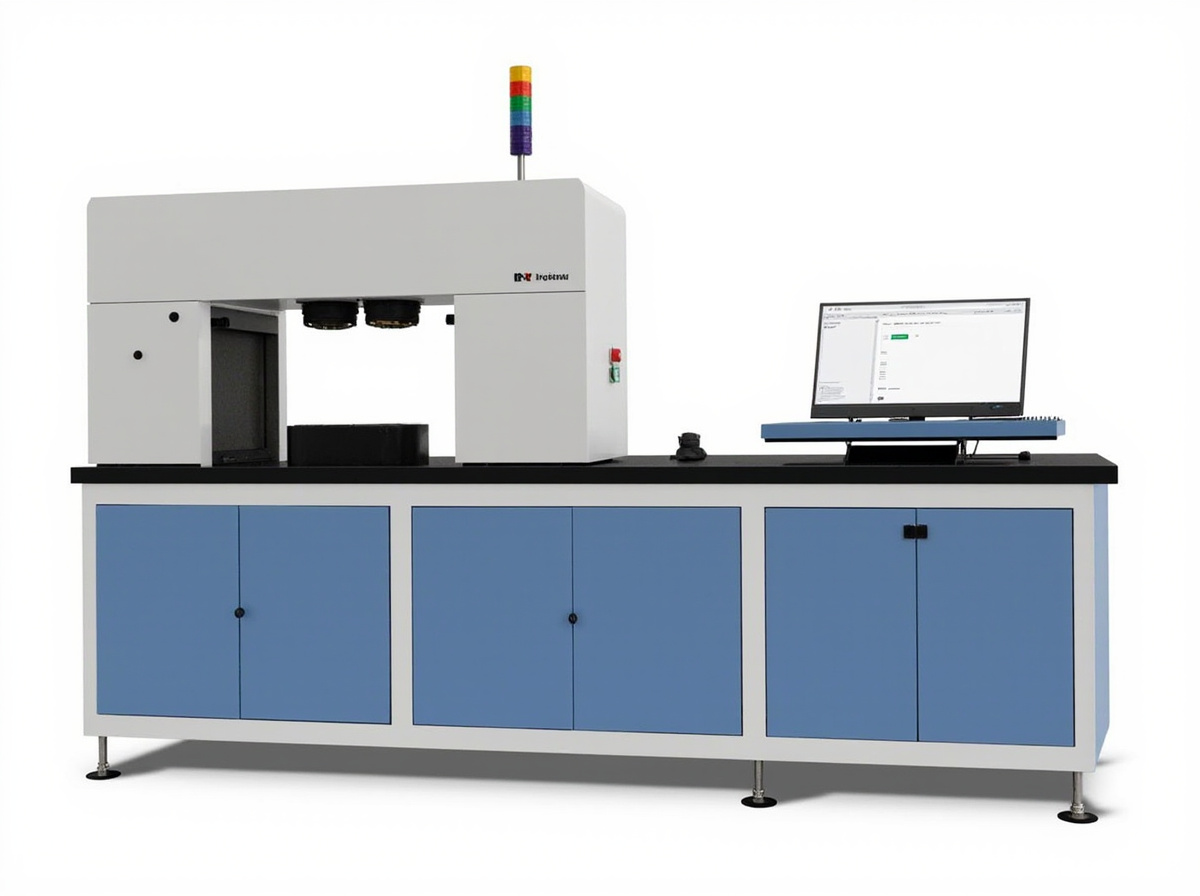
Le choix des propriétés des métaux destinés à des applications techniques nécessite d'évaluer plusieurs critères de performance au regard des contraintes de coût et de la faisabilité de fabrication. Les principaux éléments à prendre en compte sont les propriétés mécaniques, la résistance aux agressions environnementales, les caractéristiques de mise en œuvre et les coûts liés au cycle de vie.
Analyse des performances par rapport aux coûts
Le choix des matériaux consiste à trouver un équilibre entre les exigences de performance et les contraintes économiques. Les propriétés des métaux offrent des avantages spécifiques dans les applications nécessitant [une caractéristique de performance donnée], même si d'autres matériaux peuvent présenter un meilleur rapport coût-performance pour des applications moins exigeantes.
Facteurs environnementaux et réglementaires
Les réglementations environnementales et les enjeux liés au développement durable influencent de plus en plus le choix des matériaux. Les propriétés des métaux ainsi que leur conformité aux normes et réglementations applicables doivent être vérifiées en fonction des applications spécifiques et des marchés géographiques concernés.
Développements et tendances futurs
Les progrès réalisés dans le domaine des propriétés des métaux continuent d'élargir les possibilités d'application tout en répondant aux préoccupations en matière de développement durable. Parmi les tendances émergentes, on peut citer l'amélioration de l'efficacité des procédés, l'optimisation des propriétés des matériaux grâce au développement d'alliages, ainsi qu'une attention accrue portée à la recyclabilité et aux principes de l'économie circulaire.
Conclusion
Les propriétés des métaux constituent un aspect essentiel de l'ingénierie des matériaux, avec des applications industrielles variées couvrant notamment la fabrication, la construction, l'électronique et bien d'autres domaines. La compréhension de leurs propriétés fondamentales, des techniques de mesure et des considérations spécifiques à chaque application permet aux ingénieurs et aux professionnels techniques de prendre des décisions éclairées qui concilient les exigences en matière de performances, de coûts et de développement durable.
FAQ
Comment les acheteurs devraient-ils évaluer l'ouvrage « Propriétés des métaux : guide complet des caractéristiques métallurgiques » ?
Propriétés des métaux : le guide complet des caractéristiques métallurgiques doit permettre d'évaluer les métaux en fonction de leur résistance mécanique, de leur résistance à la corrosion, de leur comportement à la chaleur, de leur usinabilité, des exigences de finition et des besoins en matière de certification, en fonction de l'environnement d'exploitation.
Quelles sont les propriétés les plus importantes pour l'ouvrage « Propriétés des métaux : guide complet des caractéristiques métallurgiques » ?
Les propriétés les plus importantes sont généralement la résistance, la dureté, la ductilité, la résistance à la corrosion, le comportement thermique, l'usinabilité et la compatibilité avec les traitements de surface.
Quelles sont les informations qui permettent de sélectionner la bonne qualité de métal ?
La charge de l'application, l'environnement, la température, les matériaux de contact, la finition requise, le processus de production et les normes applicables sont autant d'éléments qui permettent de restreindre le choix de la qualité.
Quelle est l'erreur la plus courante commise lors du choix de l'ouvrage « Propriétés des métaux : guide complet des caractéristiques métallurgiques » ?
Une erreur fréquente consiste à choisir en fonction de la seule résistance, sans tenir compte de la corrosion, du formage, de l'usinage, du soudage, de la finition ou des conditions d'utilisation à long terme.