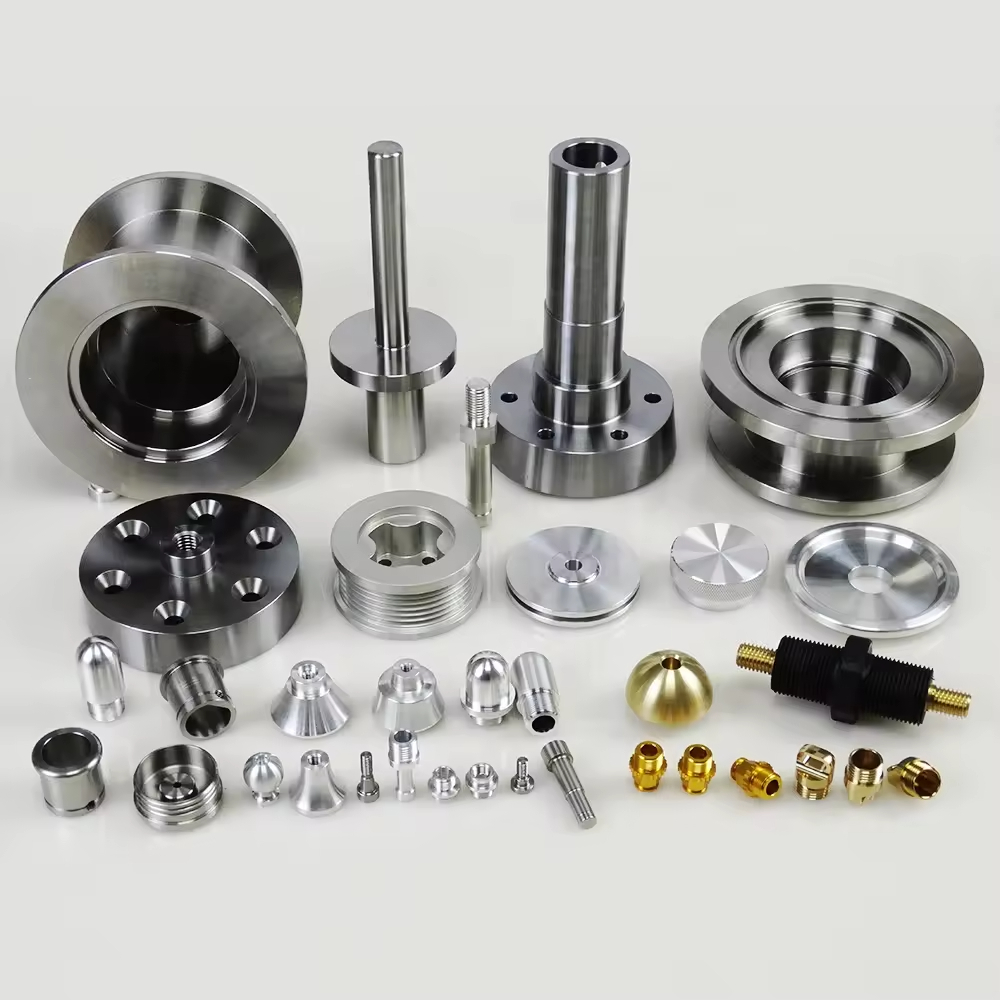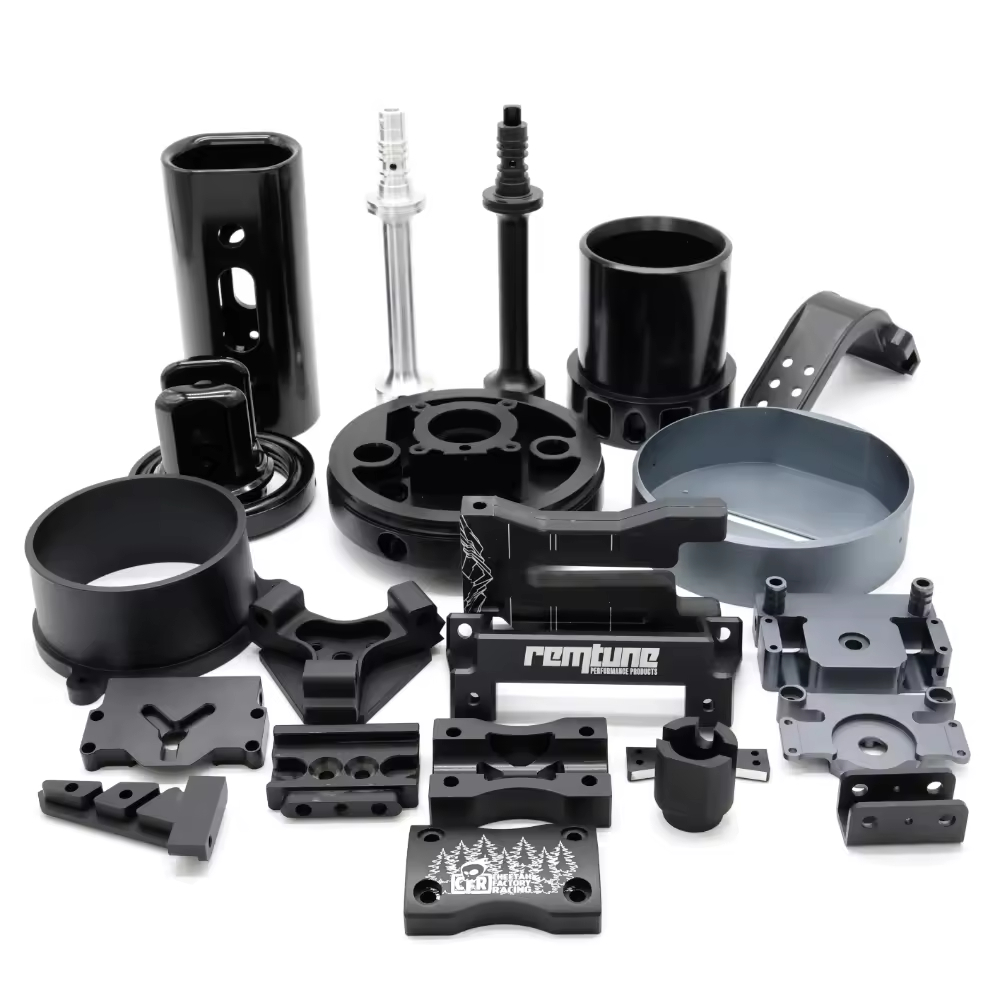
« Contrainte et déformation » constitue un guide complet sur la déformation et les essais des matériaux, qui occupent une place prépondérante dans l'ingénierie et la fabrication modernes. Ce guide exhaustif examine les propriétés fondamentales, les applications industrielles et les considérations de fabrication relatives à la contrainte et à la déformation, offrant ainsi aux ingénieurs et aux responsables des achats les connaissances indispensables à la sélection des matériaux et à la conception des applications.
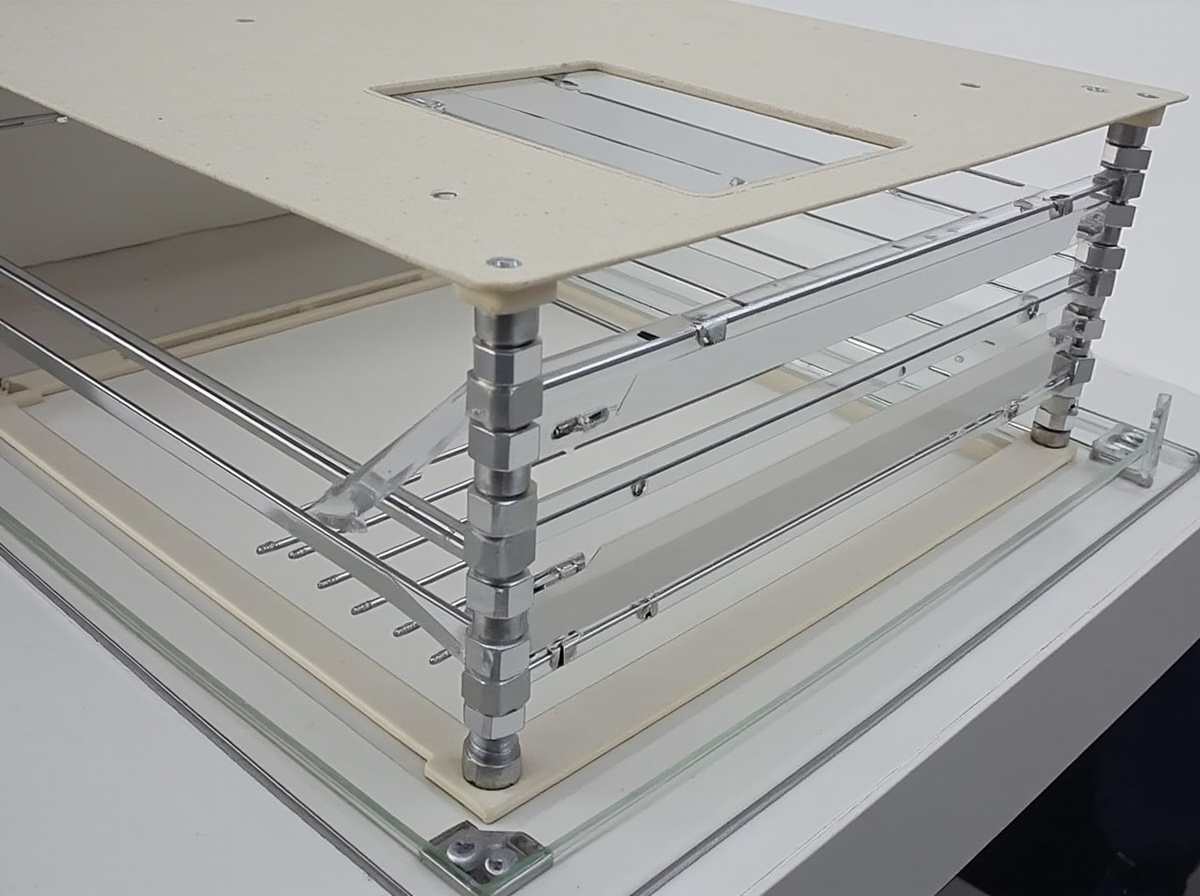
Propriétés et caractéristiques fondamentales
Les propriétés de contrainte et de déformation déterminent leur adéquation à des applications techniques spécifiques. Parmi les caractéristiques clés figurent la résistance mécanique, la résistance à la corrosion, la stabilité thermique et le comportement à la mise en œuvre. La compréhension de ces propriétés fondamentales permet un choix optimal des matériaux pour diverses applications industrielles.
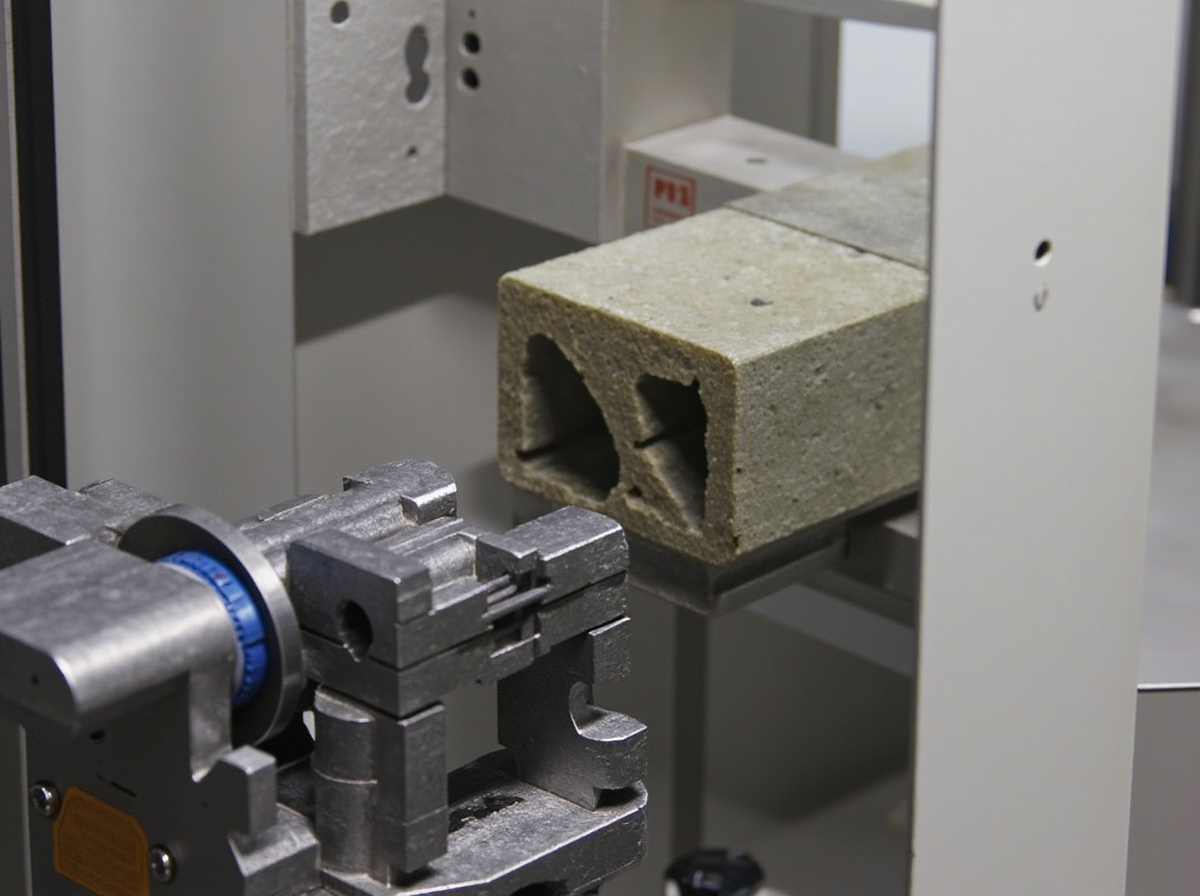
Applications industrielles
| Domaine d'application | Utilisation spécifique | Exigences de performance | Avantages des matériaux |
|---|---|---|---|
| Fabrication | Production de composants | Haute résistance, durabilité | Rentable et fiable |
| La construction | Éléments structurels | Capacité de charge | Longue durée de vie |
| Électronique | Composants électriques | Conductivité, stabilité | Cohérence des performances |
| Automobile | Composants de véhicules | Optimisation du poids | Efficacité énergétique |
| Aérospatiale | Structures d'aéronefs | Rapport résistance/poids élevé | La sécurité est essentielle |
Procédés de fabrication
La fabrication tenant compte de la différence entre contrainte et déformation fait appel à des procédés spécialisés adaptés aux propriétés des matériaux et aux exigences des applications. Parmi les méthodes de fabrication courantes, on peut citer le moulage, le forgeage, l'usinage et la fabrication additive, chacune offrant des avantages spécifiques pour certaines géométries de composants et certains critères de performance.
Considérations relatives à la sélection des matériaux
Le choix entre la contrainte et la déformation dans les applications d'ingénierie nécessite d'évaluer plusieurs critères de performance au regard des contraintes de coût et de la faisabilité de fabrication. Les principaux éléments à prendre en compte sont les propriétés mécaniques, la résistance aux conditions environnementales, les caractéristiques de mise en œuvre et les coûts liés au cycle de vie.
Analyse des performances par rapport aux coûts
Le choix des matériaux consiste à trouver un équilibre entre les exigences de performance et les contraintes économiques. Le rapport contrainte/déformation offre des avantages spécifiques dans les applications nécessitant [une caractéristique de performance donnée], même si d’autres matériaux peuvent présenter un meilleur rapport coût-performance pour des applications moins exigeantes.
Facteurs environnementaux et réglementaires
Les réglementations environnementales et les considérations liées au développement durable influencent de plus en plus le choix des matériaux. La conformité aux normes et réglementations applicables en matière de rapport contrainte/déformation doit être vérifiée pour chaque application et chaque marché géographique.
Développements et tendances futurs
Les progrès réalisés dans le domaine de la technologie « contrainte-déformation » continuent d'élargir les possibilités d'application tout en répondant aux préoccupations en matière de développement durable. Parmi les tendances émergentes, on peut citer l'amélioration de l'efficacité des procédés, l'optimisation des propriétés des matériaux grâce au développement d'alliages, ainsi qu'une attention accrue portée à la recyclabilité et aux principes de l'économie circulaire.
Conclusion
La distinction entre contrainte et déformation concerne une catégorie de matériaux essentielle, dont les applications industrielles sont multiples et couvrent notamment les secteurs de la fabrication, de la construction, de l'électronique, de l'automobile et de l'aérospatiale. La compréhension de leurs propriétés fondamentales, de leurs caractéristiques de mise en œuvre et des considérations spécifiques à chaque application permet aux ingénieurs et aux responsables des achats de prendre des décisions éclairées en matière de sélection des matériaux, en conciliant les exigences de performance, de coût et de durabilité.
FAQ
Pourquoi le guide complet « Contrainte et déformation : guide complet sur la déformation des matériaux et les essais » est-il important ?
Contrainte et déformation : le guide complet sur la déformation des matériaux et les essais est essentiel, car il permet de traduire le comportement des matériaux en données mesurables pouvant orienter les décisions en matière de conception, d'approvisionnement et de production.
Comment l'ouvrage « Stress vs Strain : Guide complet sur la déformation et les essais des matériaux » est-il utilisé dans le choix des matériaux ?
Les ingénieurs utilisent les résultats pour comparer les matériaux candidats, confirmer les marges de sécurité et éviter de se fier uniquement aux affirmations génériques des fiches techniques.
Quels sont les facteurs susceptibles d'influencer les résultats présentés dans « Contrainte et déformation : guide complet sur la déformation des matériaux et les essais » ?
La préparation de l'échantillon, la méthode d'essai, la température, la direction de chargement, l'état du matériau et le choix de la norme peuvent tous affecter le résultat.
Quelle erreur les acheteurs doivent-ils éviter concernant l'ouvrage « Stress vs Strain : Guide complet sur la déformation des matériaux et les essais » ?
Ne comparez pas les valeurs à moins d'utiliser la même norme, la même condition d'échantillon et le même environnement d'essai.