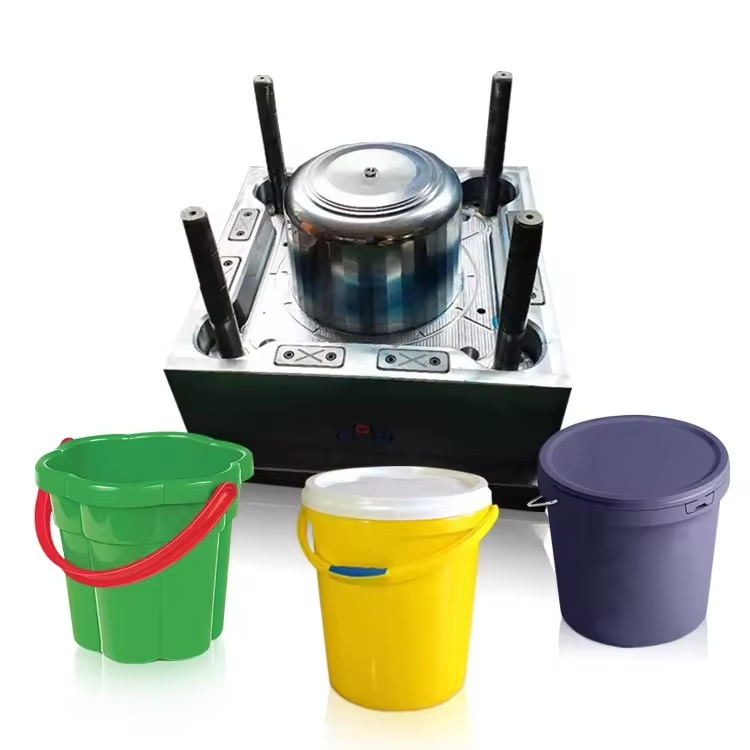
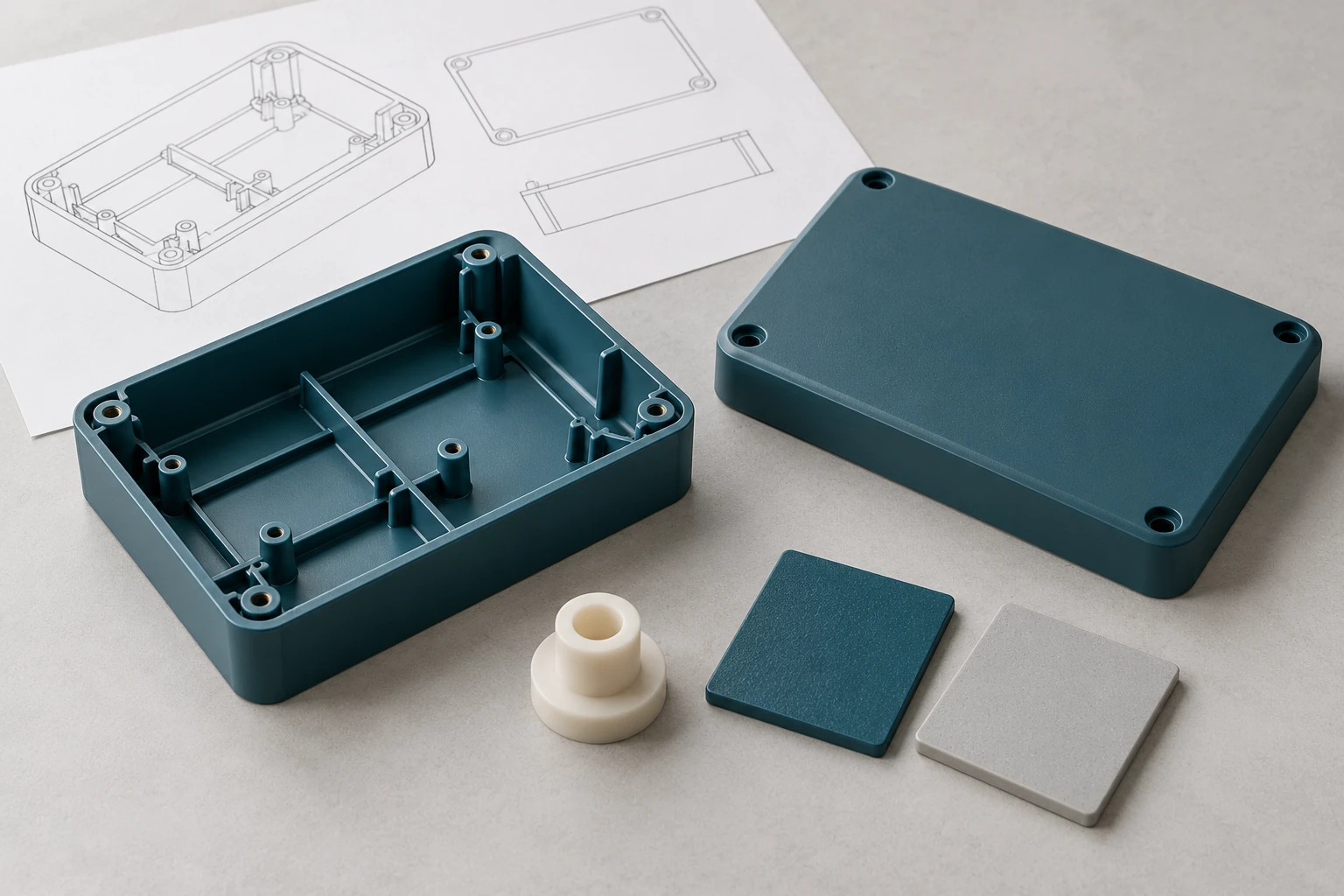
Un bon fournisseur de pièces en plastique doit aider les acheteurs à choisir le matériau, le procédé, la solution d'outillage, le niveau de contrôle et le plan de production adaptés, plutôt que de se contenter de proposer un prix unitaire.
Le choix d'un fournisseur relève d'une décision de gestion des risques. L'offre la moins chère peut s'avérer coûteuse si le fournisseur ne tient pas compte des pertes liées à la contraction, des marques de coulée, des substitutions de matériaux, du cumul des tolérances, des dommages liés à l'emballage ou des exigences en matière de documentation.
Ce qu'un fournisseur de pièces en plastique doit proposer
La plupart des projets sur mesure nécessitent plusieurs étapes au cours du cycle de vie du produit. Un fournisseur capable de comparer les différentes options aide les acheteurs à éviter de s'engager trop tôt dans une mauvaise voie.
| Itinéraire | Utilisation optimale | Remarque à l'attention de l'acheteur |
|---|---|---|
| DFM et analyse des matériaux | Avant la fabrication des outils ou la production | Réduit le risque d'incompatibilité entre la conception et la résine |
| Prototypes et échantillonnage | Avant l'autorisation de production en série | Vérifie l'ajustement, le fonctionnement, l'aspect et le montage |
| Production et contrôle qualité | Commandes récurrentes et projets d'exportation | Nécessite un contrôle stable du processus et un conditionnement adapté |
Capacités des matériaux à vérifier
Un fournisseur doit bien connaître aussi bien les plastiques de base que les plastiques techniques, et notamment le comportement des différentes nuances lors du moulage, de l'usinage, de l'assemblage et de l'utilisation sur le terrain.
| Matériau | Idéal pour | Note relative à la sélection |
|---|---|---|
| Nylon et nylon renforcé de fibres de verre | Pièces industrielles et automobiles chargées | Vérifier les exigences en matière d'humidité, de température et de dimensions |
| ABS et PC-ABS | Boîtiers et couvercles | Bonnes options en termes d'esthétique et d'impact |
| PC et PMMA | Composants transparents ou résistants aux chocs | Analyse des rayures, des contraintes et des besoins optiques |
| POM, PBT et PP | Pièces de précision, électriques et légères | Vérifier le rétrécissement et l'environnement d'application |
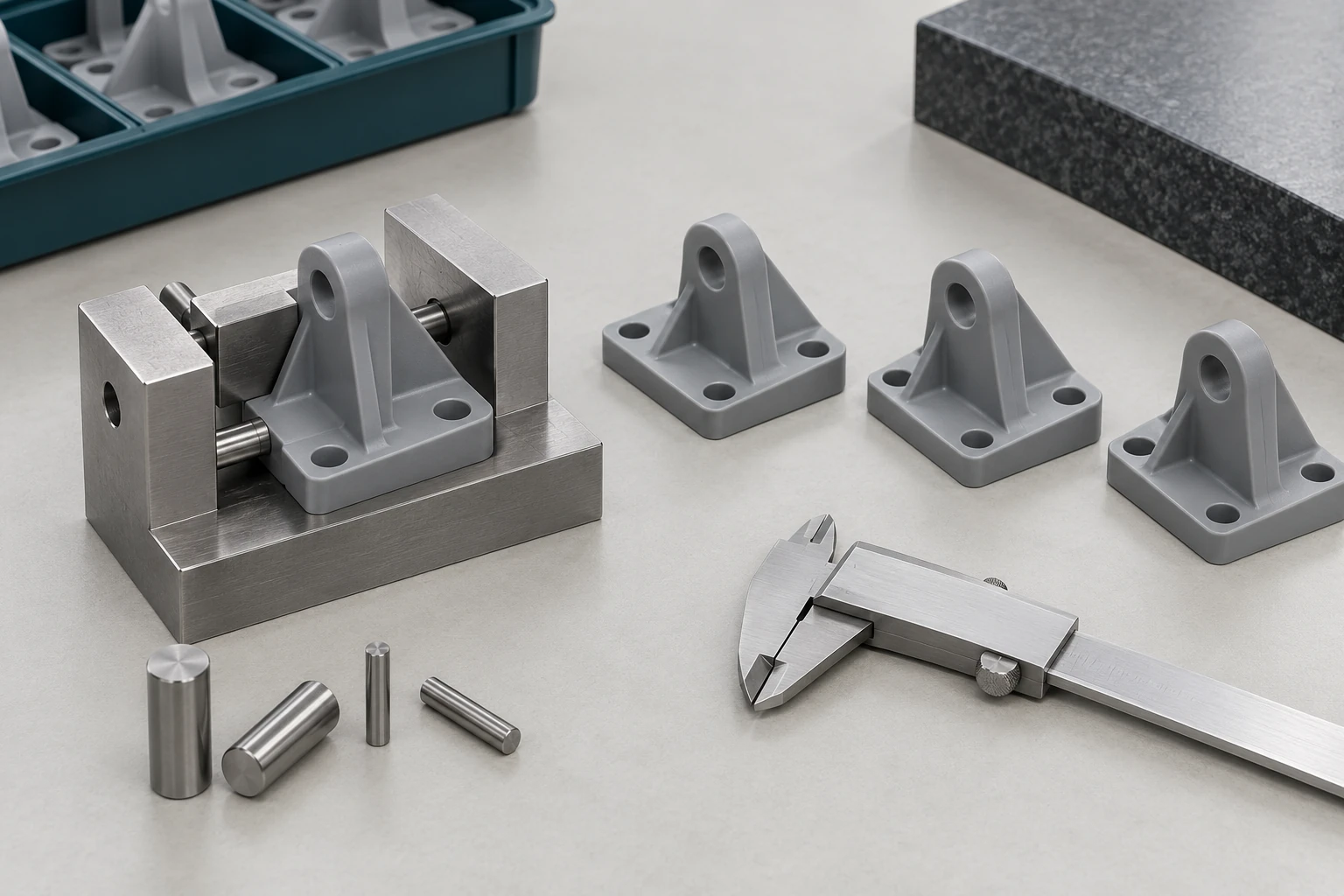
Liste de contrôle pour l'évaluation des fournisseurs
Compare each supplier against the part or material you are actually buying. A resin order, a CNC prototype and an injection-molded production part do not need the same quotation scope or approval evidence.
| Vérifier | Specify in your RFQ | Agree on evidence or scope |
|---|---|---|
| Material grade | Exact grade or allowed alternatives, reinforcement, color, service conditions and substitution rule. | Grade-specific TDS, manufacturer identity and any required lot documents available for the quoted grade. |
| DFM and route | Drawing or CAD revision, critical interfaces, tolerance and expected quantity; state whether this is a prototype or production project. | Written DFM questions, proposed manufacturing route and changes that need your approval. |
| CNC or prototype | Purpose of the sample, material form, quantity and features to inspect. | Material identification, drawing revision and measurements for the agreed features. |
| Moulage par injection | Production grade, volume, surface requirements, inserts or assembly features, and tooling ownership expectations. | Quoted tooling scope, trial and sample-approval plan, and production change-control responsibility. |
| Inspection | Critical dimensions, appearance reference, functional checks and required sampling. | Acceptance criteria and the inspection records included in the order. |
| Delivery scope | Order quantity, destination, packaging, requested documents and target timing. | Line items for parts, tooling, finish, packing and freight, with any exclusions stated. |
To get a comparable quotation, send the drawing or target grade, quantity, destination and critical acceptance requirements through the inquiry form below. State whether you need material supply, CNC or prototype parts, or molded production.
Informations à fournir avant de demander un devis
Plus l'appel d'offres est complet, plus il est facile de comparer les fournisseurs de manière équitable.
Pour obtenir un devis concret, veuillez nous envoyer un dessin en 2D ou un modèle CAO en 3D, le matériau souhaité, la quantité prévue, les exigences en matière de tolérances, l'état de surface, l'environnement d'utilisation, la demande annuelle ainsi que toute exigence de conformité. Nylon Plastic peut analyser la pièce afin d'évaluer le choix du matériau, la fabricabilité (DFM), le processus de prototypage, les risques liés à l'outillage, les délais de livraison et les coûts de production avant que le projet n'entre en phase de fabrication.
Guides techniques connexes
- Fabricant de pièces en plastique sur mesure – page d'accueil dédiée à l'approvisionnement en pièces sur mesure
- Contrôle qualité des pièces en plastique importées – prend en charge les contrôles qualité des fournisseurs
- Comment vérifier la fiabilité des fabricants chinois de plastique – prend en charge l'évaluation en usine
Comment le plastique nylon contribue à la réalisation du projet
Nylon Plastic accompagne ses clients dans l'analyse des matériaux, la conception pour la fabrication (DFM), les différentes étapes de prototypage, le moulage par injection, l'usinage CNC du plastique, le contrôle qualité et l'emballage pour l'exportation de pièces en plastique sur mesure.
Contact Nylon Plastic pour examiner le plan de votre pièce en plastique sur mesure, comparer les différents procédés de fabrication ou demander des conseils sur les matériaux et l'outillage.
FAQ
Comment choisir un fournisseur de pièces en plastique ?
Choisissez un fournisseur capable d'analyser les risques liés aux matériaux, aux procédés, à la conception pour la fabrication (DFM), à l'outillage, au contrôle qualité, à l'emballage et à la production, plutôt que de se contenter de proposer un prix unitaire.
Que dois-je envoyer à un fournisseur de pièces en plastique pour obtenir un devis ?
Veuillez nous envoyer un modèle 3D ou un dessin, le matériau souhaité, la quantité, les tolérances, l'état de surface, l'environnement d'utilisation, la demande annuelle prévue ainsi que toute documentation relative à la qualité.
Faut-il confier à un seul fournisseur la gestion à la fois des prototypes et de la production ?
Le fait que le fournisseur puisse comparer l'impression 3D, l'usinage CNC, la fabrication de prototypes et le moulage par injection de série avant que la conception ne soit finalisée permet de réduire les risques.
Quels sont les contrôles qualité essentiels pour les composants en plastique sur mesure ?
Les contrôles importants comprennent le contrôle dimensionnel, la vérification des matériaux, l'examen de la surface, la vérification de l'ajustement fonctionnel, la protection de l'emballage et tout plan d'échantillonnage convenu.