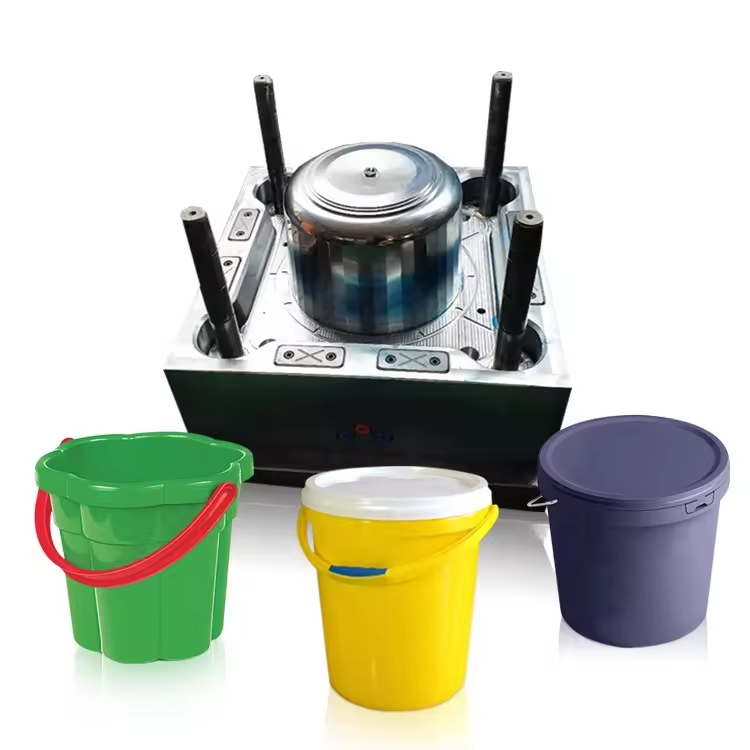
Plastic manufacturing for telecommunications equipment starts with the part and its installation environment. For housings, covers, cable supports and brackets, review the exact material grade, heat and weather exposure, assembly interfaces and production stage together. Nylon Plastic supports material selection and supply review alongside prototype, CNC, tooling and injection-molding project review.
When telecom housings are exposed to sunlight, rain, or washdown chemicals, the first support pages to review are Nylon stabilisé aux UV, absorption d'humidité du nylon, et le Tableau de compatibilité chimique du nylon. Those factors often matter as much as the base resin choice itself.
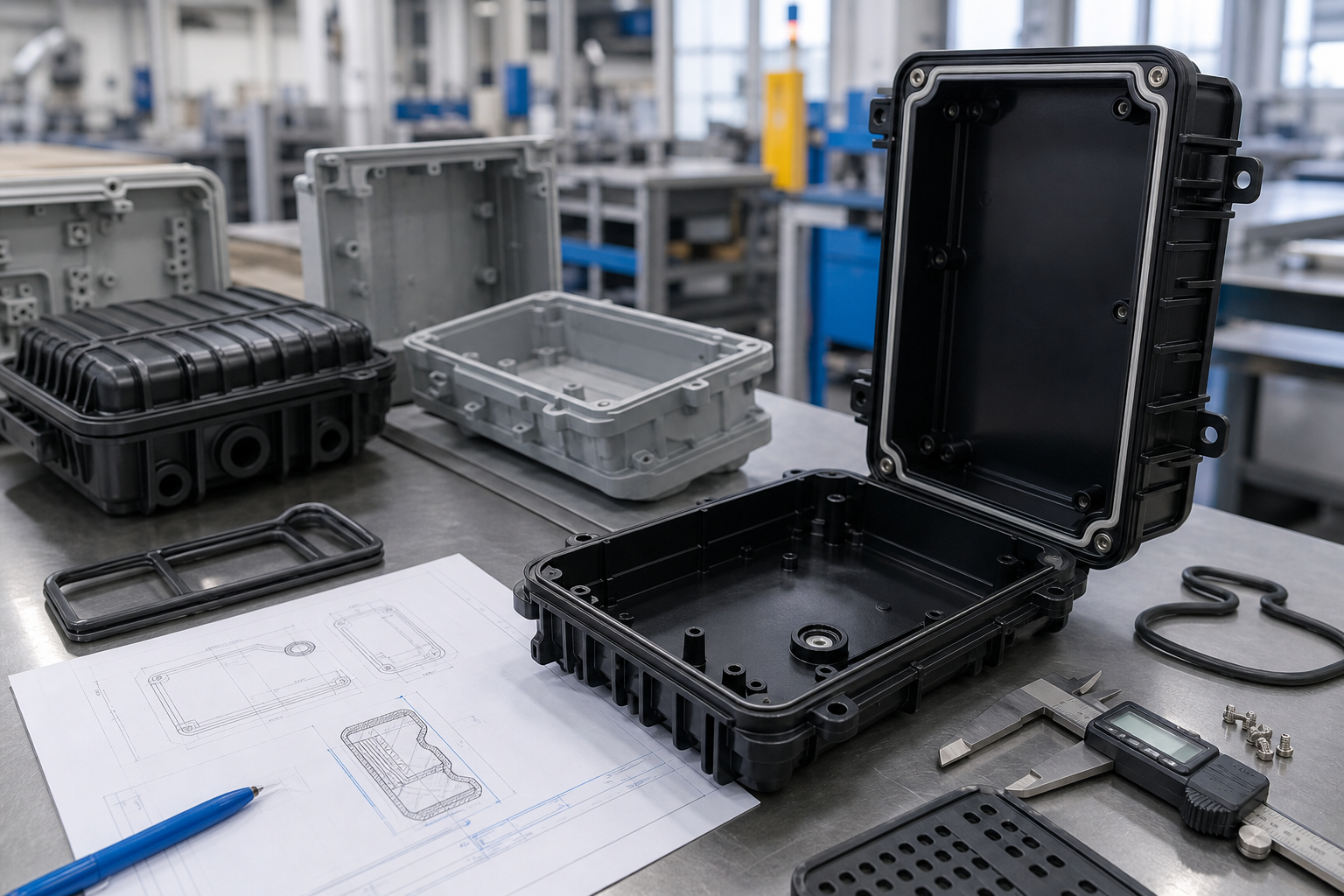
The right manufacturing route depends on whether the part is an indoor electronics housing, an outdoor enclosure, a cable-management component or a structural bracket. Material choice and sealing strategy should therefore be reviewed together, not in isolation.
Turn the Enclosure Requirement into a Reviewable Project
Send the drawing, indoor or outdoor location, temperature profile, sealing interfaces, required material evidence and quantity. The review can identify a candidate material and manufacturing route, design questions to resolve and the scope to quote. A resin name alone cannot approve a weather-resistant or sealed enclosure.
Use the existing project form for a material or custom-part request.
En bref
| Exigence | Ce qu'il faut réviser | Pourquoi est-ce important ? |
|---|---|---|
| Outdoor exposure | UV, heat, rain and dust | Long-life housings fail early when weathering is ignored |
| Heat management | Continuous service temperature and internal heat buildup | Electronics enclosures need more than cosmetic plastic selection |
| Ajustement dimensionnel | Cover, seal, latch and fastener interfaces | Small drift can affect ingress protection and assembly yield |
| Electrical context | Insulation, flame and static behavior | Functional requirements differ by equipment class |
| Supplier route | Molding, machining or printed prototype strategy | Development stage changes the best process choice |
What Matters Most in Telecommunications Equipment Plastics
Outdoor housings and support parts often need UV stability, heat resistance and dimensional reliability over time. Indoor telecom parts may care more about flame behavior, cable routing precision and consistent enclosure assembly.
Common mistakes include choosing resin based on indoor samples for outdoor use, underestimating sun-load temperature or ignoring how gasket compression and latch tolerance interact after molding.
Supplier and Material Checks Before Tooling
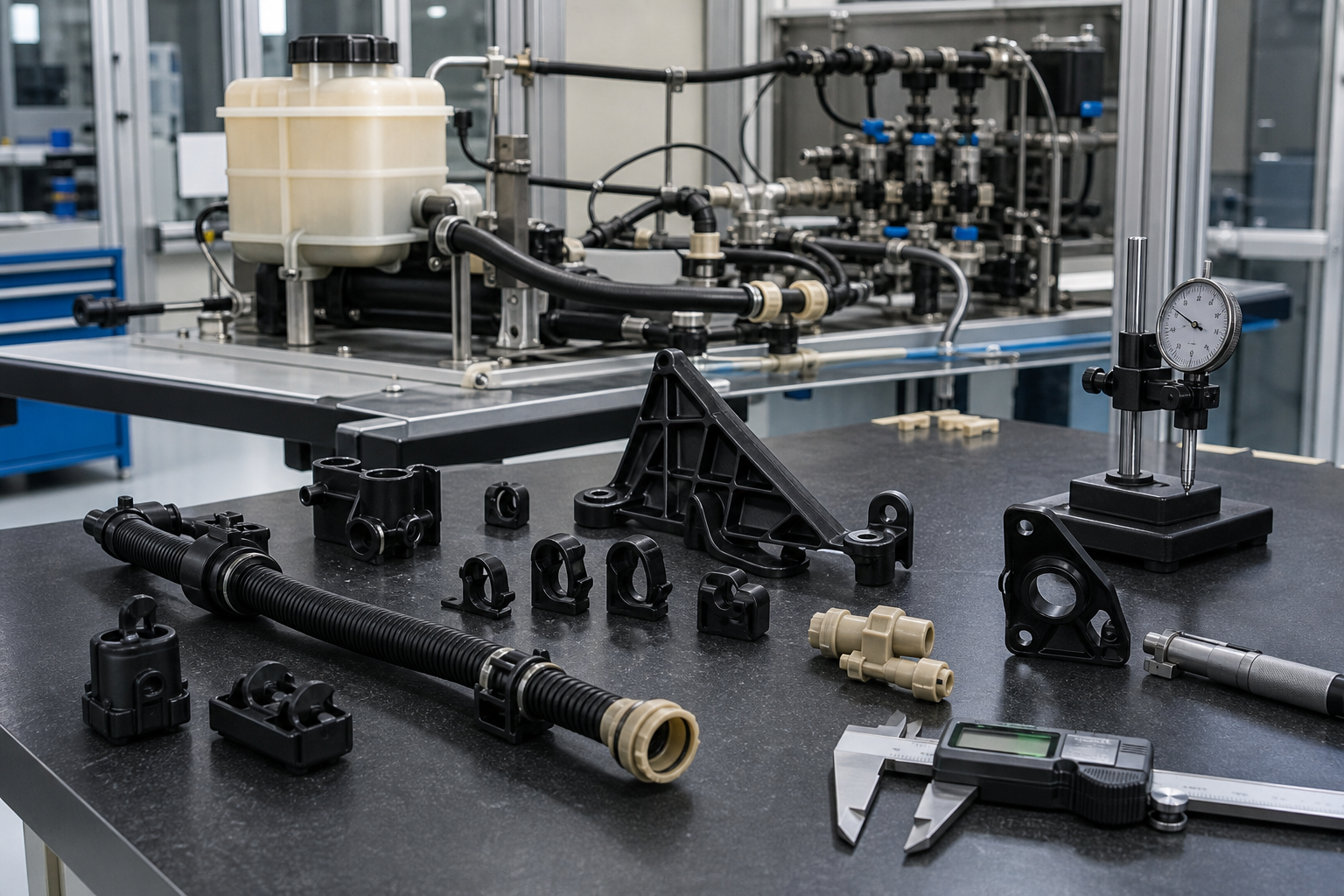
- Define indoor vs outdoor use clearly: weather exposure changes material strategy fast.
- Map the real heat environment: electronics hotspots matter more than room temperature.
- Review sealing features with molding tolerance together: enclosure fit cannot be checked as an afterthought.
- Confirm UV and flame requirement with evidence: do not add cost without a real need, but do not skip it where required.
- Choose the right development route: prototype, CNC and molding each serve different project stages.
Specify the Material Evidence for the Application
PC, PC/ABS, PBT and nylon can be starting candidates, but reinforcement, flame retardants, color and stabilization change the grade. Define the acceptance requirement first, then request evidence for the offered formulation. A family-level comparison is not a certificate for a production part.
- Outdoor duty: describe sunlight, rain, humidity, temperature cycling and expected chemical contact. State weathering acceptance criteria rather than asking only for an “outdoor grade”.
- Heat and load: identify internal hot spots, peak and continuous exposure, fastener loads and dimensional requirements during service.
- Electrical requirements: specify required ratings and the application context. Any requested flame-rating evidence must match the exact grade, thickness and color where applicable.
- Radio-frequency requirements: if the plastic sits in an antenna or radome path, provide the operating band, wall geometry and RF acceptance test. Electrical insulation does not establish radio-frequency performance.
For material supply requests, identify the required grade or the requirements an alternative must meet. Manufacturer datasheets keep the manufacturer’s attribution; WanHan documents are not relabeled as Nylon Plastic manufacturing data.
Review Sealing at the Assembly Level
For a lid, gasket or cable-entry interface, provide the mating geometry, gasket specification, fastener locations and assembly method. Review flatness, compression, molded distortion and thermal or moisture effects together. The functional enclosure test belongs to the assembled product.
An ingress-protection requirement needs an agreed test method and acceptance criteria. A polymer datasheet, an appearance sample or a prototype fit check does not establish the final enclosure rating. Define which party supplies the gasket, assembles the sample, performs the test and records the result before tooling approval.
Common Telecom Plastic Part Risks
| Risque | Cause | Solution pratique |
|---|---|---|
| Outdoor cracking or color fade | UV stability underestimated | Review weathering package and service exposure before material approval |
| Seal failure | Housing tolerance and gasket design do not match | Link enclosure fit review to molding tolerance targets |
| Heat distortion | Internal temperature load not modeled realistically | Review grade-specific loaded-temperature performance, wall/support design and the actual thermal environment |
| Late supplier changes | Process route chosen before product stage was stable | Use prototyping and DFM checkpoints before full tooling commitment |
Telecommunications Equipment Parts vs General Electronics Housings
Telecommunications equipment often sees longer outdoor service, larger enclosure sizes and more environmental exposure than small consumer electronics. That makes supplier discipline and environmental material review more important than a standard indoor housing project.
From Telecom Prototype to Molded Production
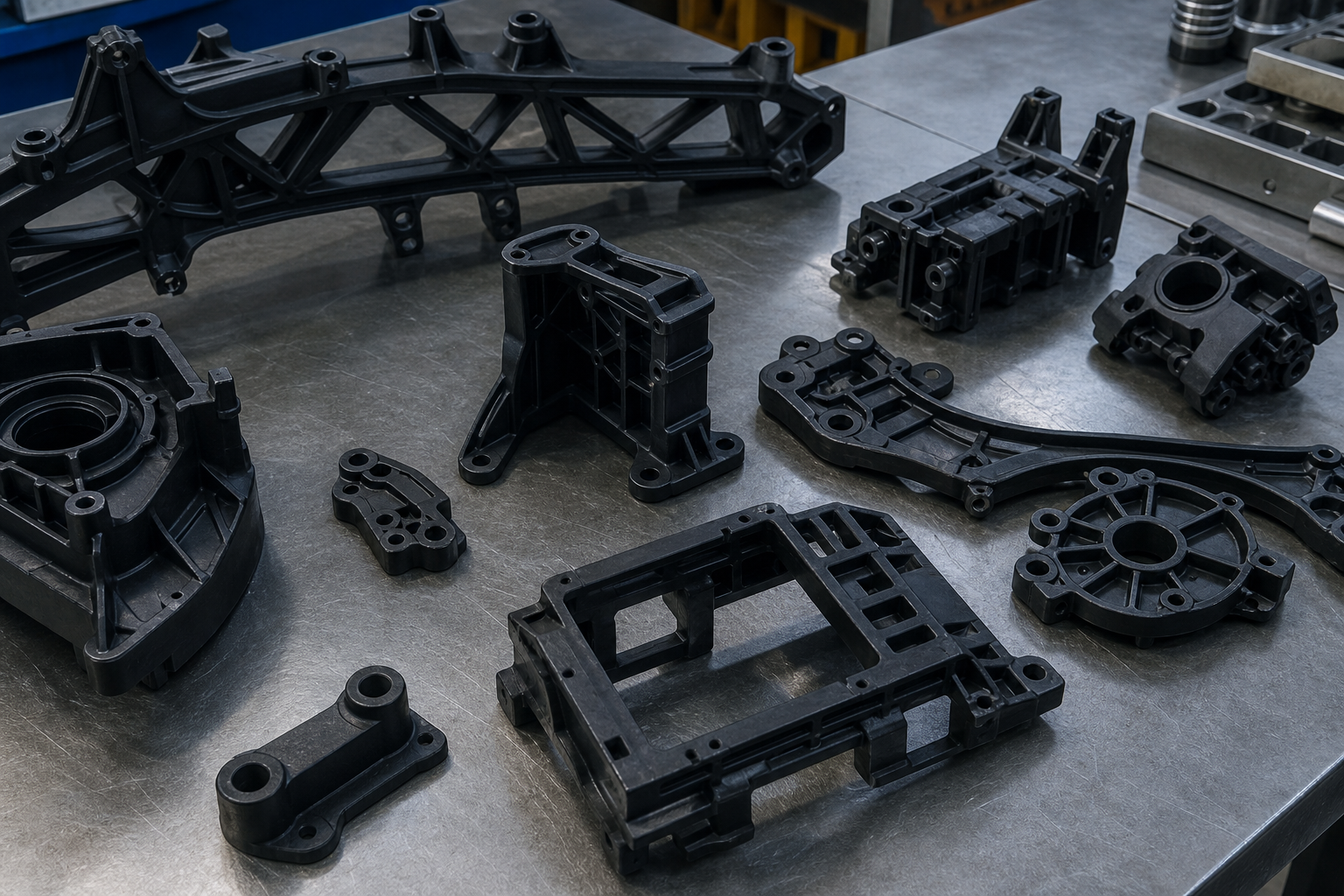
Use the sample stage to answer a defined question. A printed model can support an early assembly review; a machined sample can evaluate a selected stock material and precision features. Neither automatically represents injection-molded shrinkage, weld lines, fiber orientation or appearance.
- Review the design: check walls, ribs, bosses, gate and parting-line constraints, sealing lands and any insert interfaces against the assembly.
- Approve the material: identify grade, color and documents, then agree which performance tests remain necessary.
- Trial the molded parts: inspect dimensions, appearance and assembly against the drawing revision and sample plan.
- Release the agreed scope: record the approved sample and any remaining limits before repeat production.
Nylon Plastic can connect material review with prototype planning, CNC, mold design and injection molding. The quotation should identify which processes, finishing, assembly or tests are included for your project.
Telecommunications Housing RFQ Checks
| Risque | Part and supplier check |
|---|---|
| Outdoor exposure | UV grade, color stability, weathering evidence and sealing interface |
| Heat management | Continuous temperature, hot spots, vents, flame rating and dimensional drift |
| Ingress protection | Gasket land, weld line location, fastener torque and leak-test method |
| Contrôle de la production | Material lot, cavity traceability, inspection plan and change notification |
What the Telecom Parts Quotation Should Define
Provide the housing or bracket drawing revision, quantity, annual volume, material requirements, appearance reference and delivery destination. State which party owns the tool, what sample approval includes, what documents and inspection records are needed, and which packaging or assembly operations belong in the scope.
For a material-only inquiry, send the grade or functional requirements and purchase quantity. For a complete part project, include interfaces and environmental tests. Keeping those requests explicit helps the technical team return a useful grade review or manufacturing quotation.
Lire la suite
- Electronics Molding
- Stabilisateur UV pour le nylon
- Moulage par injection de polycarbonate
- Composants en plastique sur mesure
- Fournisseur de pièces en plastique
Questions fréquemment posées
Comparer Comparaison entre le nylon et le polycarbonate notamment en matière de résistance, de température, de coût et de recommandations d'utilisation.
What plastics are used for telecommunications equipment?
Common choices include PC, PC ABS, PBT, nylon and other engineering plastics depending on outdoor exposure, heat and electrical requirements.
Why is UV review important for telecom housings?
Many telecom parts sit outdoors for long periods, so UV stability can directly affect strength, appearance and service life.
Are telecom equipment plastics mainly an injection molding project?
Often yes for production, but prototypes may start with CNC machining or 3D printing depending on the design stage.
What should I ask a supplier before tooling?
Ask about material recommendations, outdoor exposure handling, tolerance control, enclosure sealing review and the best route from prototype to production.
What should I send for a telecom plastic part review?
Send the enclosure drawing, use environment, heat load, sealing requirement and annual volume plan.
Request a Telecom Material and Part Review
Send the housing or bracket drawing if you want help narrowing the right material and manufacturing route.
Include: use environment, heat profile, sealing, RF or regulatory requirements, proposed grade, prototype or production quantity and destination. The team can review material and manufacturing options and identify the information needed for a scoped quotation.