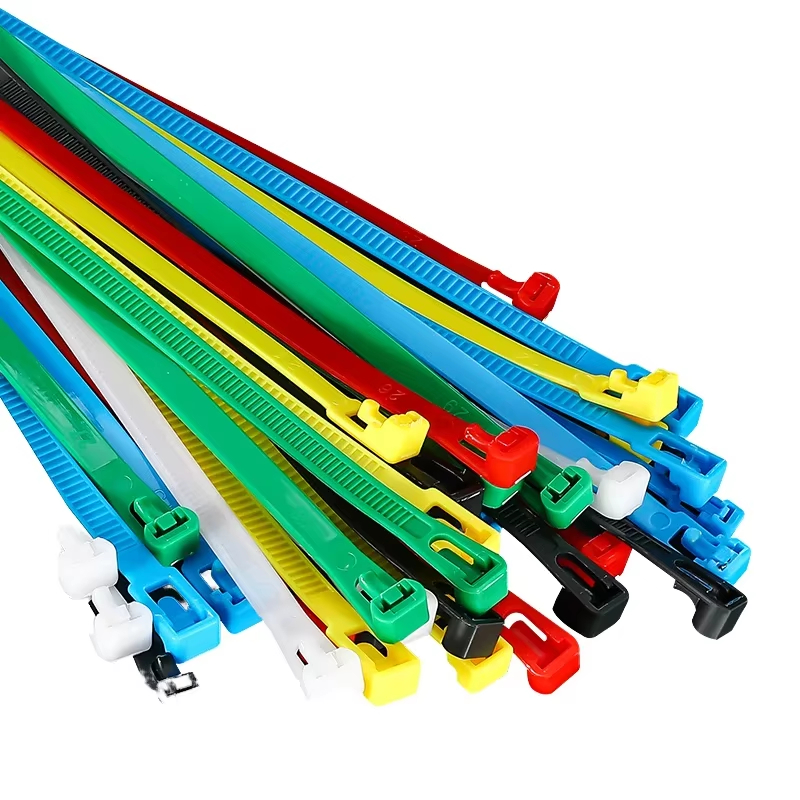
Nylon 6 vs Nylon 66 represents Complete Comparison Guide for Engineering Applications one of the most important materials in modern engineering and manufacturing. This comprehensive guide examines the fundamental properties, industrial applications, and manufacturing considerations for this critical material, providing engineers and procurement professionals with essential knowledge for material selection and application design.
If chemical exposure, fuel contact, washdown, or humidity is part of the application, compare more than dry mechanical data. PA6 and PA66 can separate on moisture absorption, hydrolysis risk, and fluid compatibility, so use our engineering plastics chemical resistance chart for broader fluid screening and review PA11 and PA12 when lower-moisture nylon grades may fit better.
Propriétés et caractéristiques fondamentales
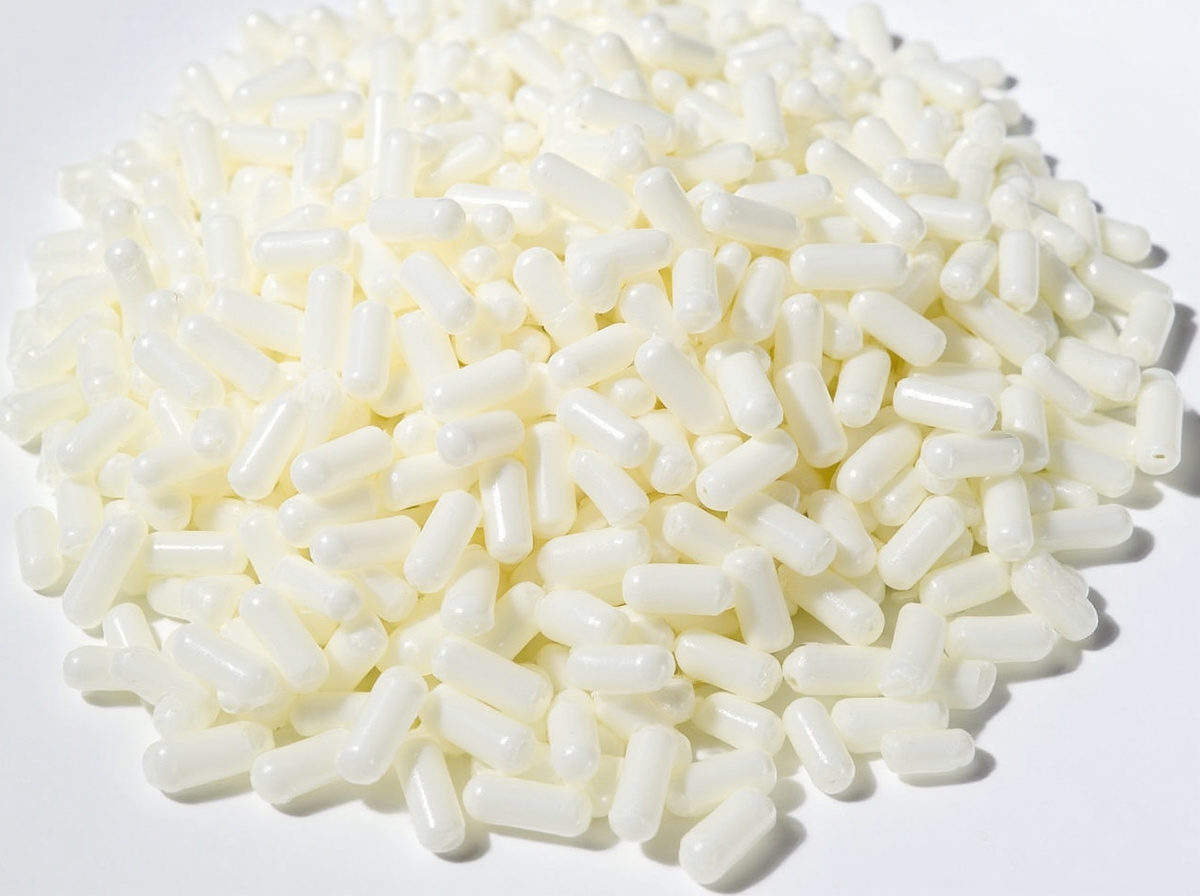
The material properties of nylon 6 vs nylon 66 determine its suitability for specific engineering applications. Key characteristics include mechanical strength, thermal stability, chemical resistance, and processing behavior. Understanding these fundamental properties enables optimal material selection across diverse industrial applications.
Applications industrielles
| Domaine d'application | Utilisation spécifique | Exigences de performance | Avantages des matériaux |
|---|---|---|---|
| Fabrication | Production de composants | Haute résistance, durabilité | Rentable et fiable |
| La construction | Éléments structurels | Capacité de charge | Longue durée de vie |
| Électronique | Composants électriques | Conductivité, stabilité | Cohérence des performances |
| Automobile | Composants de véhicules | Optimisation du poids | Efficacité énergétique |
| Aérospatiale | Structures d'aéronefs | Rapport résistance/poids élevé | La sécurité est essentielle |
Procédés de fabrication
nylon 6 vs nylon 66 manufacturing involves specialized processes tailored to material properties and application requirements. Common manufacturing methods include casting, forging, machining, and additive manufacturing, each offering distinct advantages for specific component geometries and performance criteria.
Considérations relatives à la sélection des matériaux
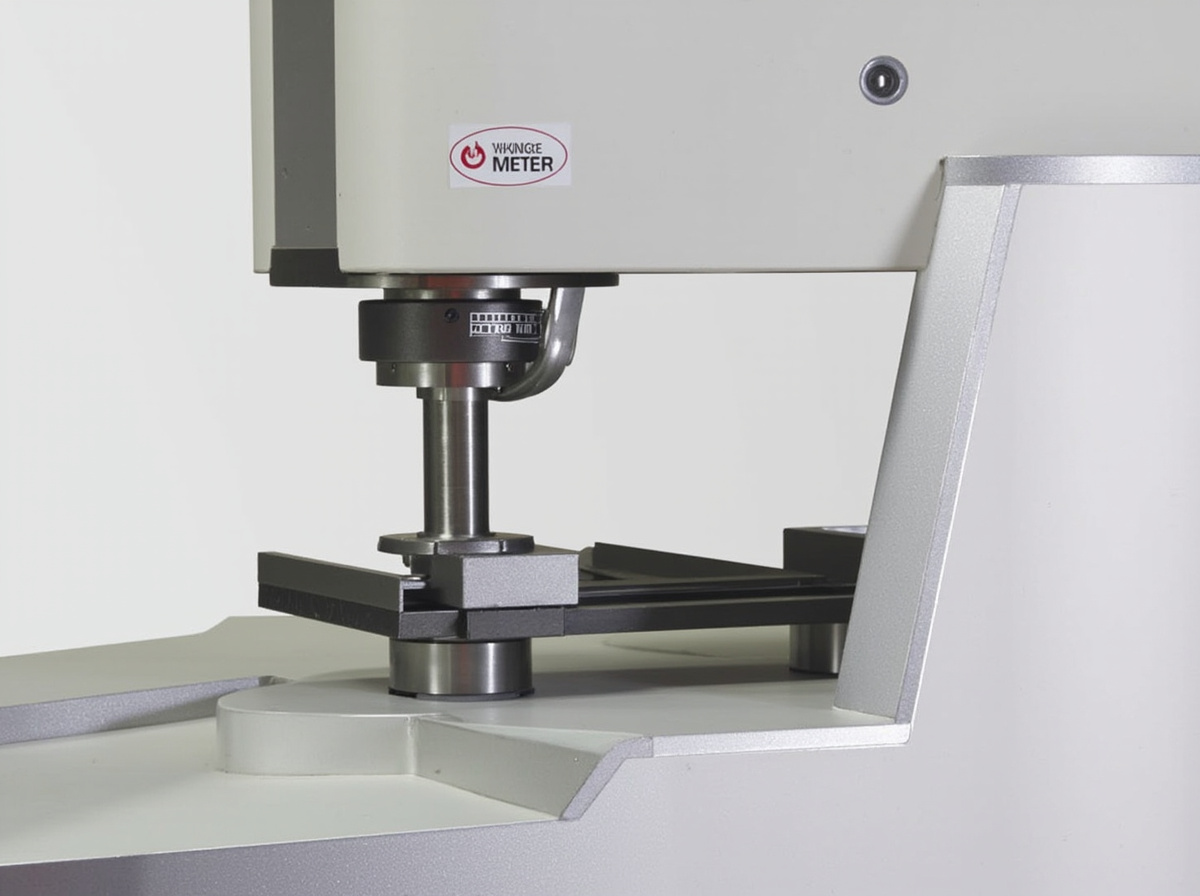
Selecting nylon 6 vs nylon 66 for engineering applications requires evaluating multiple performance criteria against cost constraints and manufacturing feasibility. Key considerations include mechanical properties, environmental resistance, processing characteristics, and lifecycle costs.
Analyse des performances par rapport aux coûts
Material selection balances performance requirements against economic constraints. nylon 6 vs nylon 66 offers specific advantages in applications requiring [performance characteristic], though alternative materials may provide better cost-performance ratios for less demanding applications.
Facteurs environnementaux et réglementaires
Environmental regulations and sustainability considerations increasingly influence material selection. nylon 6 vs nylon 66 compliance with relevant standards and regulations must be verified for specific applications and geographic markets.
Développements et tendances futurs
Advancements in nylon 6 vs nylon 66 technology continue to expand application possibilities while addressing sustainability concerns. Emerging trends include improved processing efficiency, enhanced material properties through alloy development, and increased focus on recyclability and circular economy principles.
Conclusion
nylon 6 vs nylon 66 represents a critical material category with diverse industrial applications spanning manufacturing, construction, electronics, and beyond. Understanding its fundamental properties, processing characteristics, and application-specific considerations enables engineers and procurement professionals to make informed material selection decisions that balance performance, cost, and sustainability requirements.
FAQ
Can PA6 and PA66 run in the same mold?
Do not assume a direct substitution. Compare grade-specific shrinkage, flow, drying and processing windows, then inspect the critical dimensions from a mold trial before accepting the change.
Which properties should be compared in a humid environment?
Use dry and conditioned data from the same test method. Check stiffness, impact and dimensional change in the moisture condition the part will experience, rather than comparing one dry value with another conditioned value.
Does a lower resin price make PA6 the cheaper finished part?
Compare the quoted grade, reinforcement, cycle, drying, scrap and inspection requirements. Resin price alone does not establish the cost of an accepted component.
What information helps narrow a PA6 or PA66 quotation?
Provide the drawing, present material, service load and temperature, fluids, critical fits, color and quantity. Include the acceptance conditions and any material documents required with delivery.
Related Products and Inquiry
Existing Nylon 6, Nylon 66 product and inquiry pages:
Lire la suite
- Nylon ou polypropylène : quel plastique technique choisir pour votre application ?
- Nylon 6 vs. Nylon 66 : comment choisir le plastique technique adapté à votre projet
- Nylon vs. POM (acétal) : Guide de comparaison des plastiques techniques
- Moulage par injection du nylon 6 et du nylon 66 : guide de sélection